Government Adopts a 143-Measure Sea Plan Worth About 814 Million Euros, From Fishing Traineeships to Undersea Cables
Meeting for the first time since 2015, the interministerial sea commission approved the Portugal +Mar plan in Nazaré: 143 measures, about 814 million euros, a 20 million euro ocean-science call and paid traineeships for young fishers.
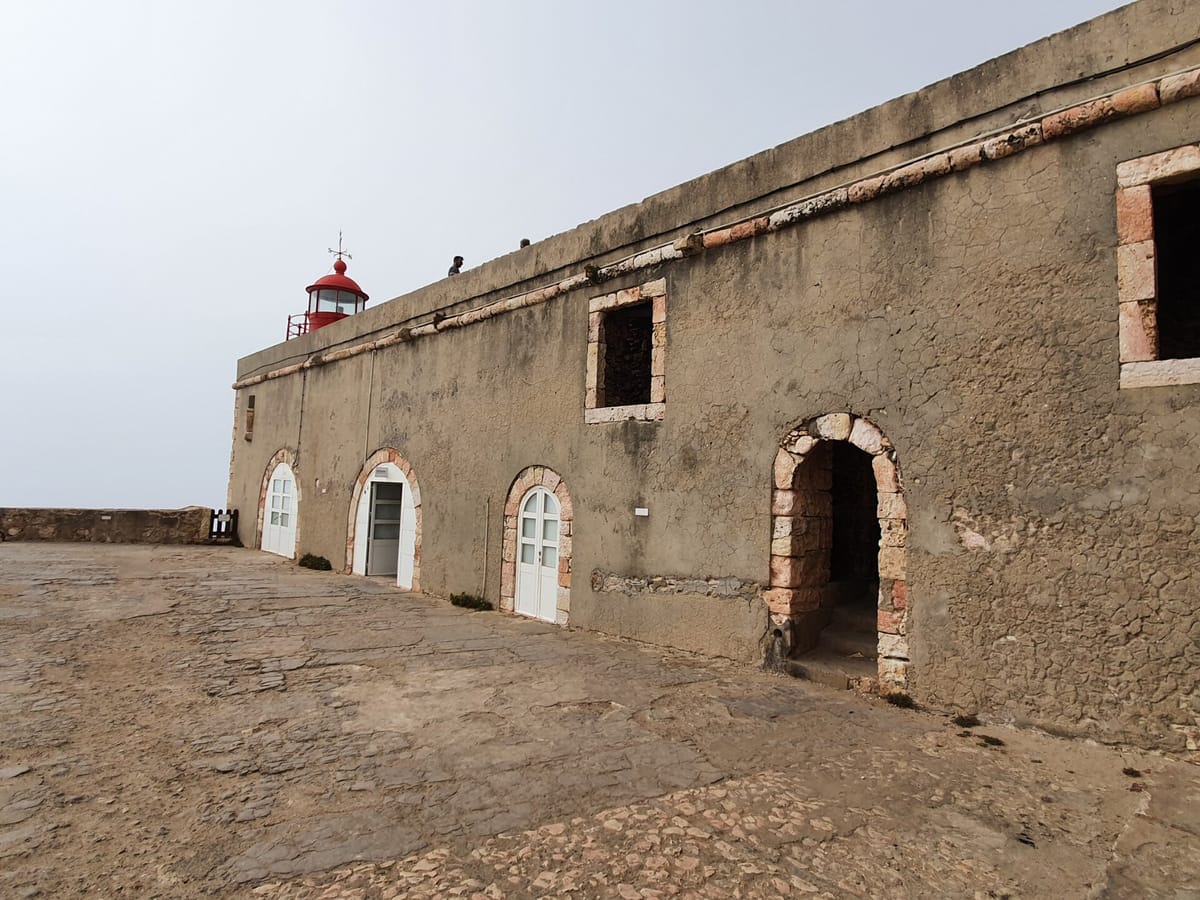
The government has approved a plan of 143 measures, worth about 814 million euros, to speed up Portugal's National Ocean Strategy for 2021 to 2030. The measures range from paid traineeships on fishing boats to new undersea cables to the Azores and Madeira. Prime Minister Luís Montenegro announced it on Monday 16 November in Nazaré, at the end of a meeting of the Comissão Interministerial para os Assuntos do Mar (CIAM, the Interministerial Commission for Maritime Affairs) held at the town's Forte de São Miguel Arcanjo.
The commission was set up in 2007 and had not met since 2015. Monday's meeting, chaired by Montenegro, brought together the 15 government departments with a stake in the sea and the regional governments of the Azores and Madeira. The prime minister said he wanted to mark "a turning point" that puts delivering results first, "and not just announcing good intentions, good plans that often end up in a drawer".
What is in the plan
The Plano Interministerial Portugal +Mar (Portugal +Sea interministerial plan) is built on six pillars: a more protected, competitive, financed, inclusive, smart and sovereign sea. Each measure names the ministry responsible and a deadline, and the deadlines run to 2029. The measures the government highlighted include:
- Ocean science: more than 20 million euros for research and innovation. The first call of the new EEA Grants Portugal Blue Growth programme opened on Monday, with up to 2 million euros per project and a special incentive for projects led by young researchers.
- Marine protection: the Rei Dom Carlos marine nature reserve, about 173,000 square kilometres around the Madeira-Tore seamounts, which the Council of Ministers approved on 11 November. It brings Portugal closer to its goal of protecting 30 percent of its sea by 2030.
- Undersea cables: more than 190 million euros to strengthen the links between the mainland, the Azores and Madeira, through the Atlantic CAM cable system and the planned Azores ring.
- Fish farming: a review of the aquaculture licensing rules by 2028, to make decisions simpler and more predictable for investors.
- Young fishers: paid traineeships on board fishing vessels, starting early next year, for holders of the Estatuto do Jovem Pescador (Young Fisher Statute). The plan also widens that statute's benefits and creates a separate statute for small-scale fishing, both by 2028.
- Continental shelf: the mission team preparing Portugal's claim to extend its continental shelf keeps its mandate until 2029.
For residents, one practical measure sits further down the list: the Balcão do Mar (Sea Desk), the state's one-stop service for maritime procedures, is to be offered through the Lojas do Cidadão (Citizen Shops) and Espaços Cidadão network by 2029. A separate decree is already changing how recreational boating licences are renewed.
Security and food
Montenegro also tied the plan to internal security, naming drug trafficking by sea, which record cocaine seizures have put in focus this year. He said Portugal's protected marine areas had grown from 4 percent to 25 percent of its waters in the past two and a half years, and that the sea could give the country "greater food autonomy". Portugal's exclusive economic zone is about 18 times the size of its land territory.
The commission also approved new rules for itself, adding an advisory council of 29 civil society bodies. The prime minister said the plan will still go to public consultation; no dates were given. The full plan, the ministry's announcement and the prime minister's statement are on the government's website (in Portuguese).