Cocaine Seizures Hit 42 Tonnes by October, Nearly Two-Thirds Above All of 2025, as Speedboat Crews Work Portugal's Coast From Caminha to Faro
Police in Portugal seized 42 tonnes of cocaine by 20 October, against 25 tonnes in all of 2025. PJ figures show 95 percent arrives by sea, and this year's cases trace speedboat landings and supply warehouses from Caminha and Seixal to Sines, Odemira and Faro.
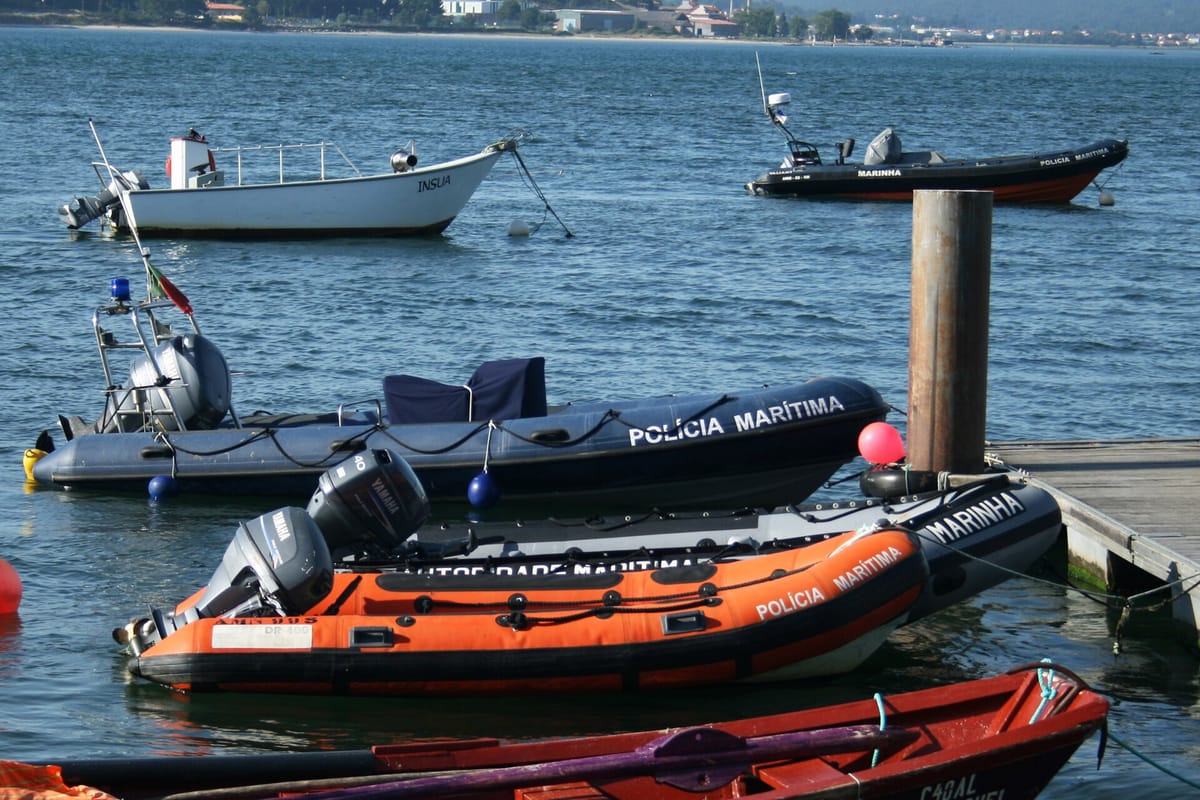
Police forces in Portugal had seized 42 tonnes of cocaine in 2026 by 20 October, against 25 tonnes in the whole of 2025 and 23 tonnes in 2024. The figure came from the national director of the Polícia Judiciária (PJ, the criminal investigation police), Carlos Cabreiro, at the force's 81st anniversary ceremony in Lisbon, as reported by Lusa via RTP. It covers seizures by every police force, and he credited the armed forces, which usually take part in operations on the high seas.
Almost all of that cocaine comes by sea, and more of it is now arriving in fast boats that run the drugs in from ships offshore and land them on Portuguese beaches.
What the official figures show
The PJ's annual drug-trafficking statistics for 2025 (in Portuguese) put last year's total at 25,633 kg in 1,984 seizures, up 11.4 percent on 2024. The quantity seized has risen every year in the five years the report covers, from about 16.5 tonnes in 2022.
- The sea route accounted for 95.1 percent of the cocaine seized but only 22 cases. The average maritime seizure was 1,108 kg, close to double the 2024 average.
- Cocaine seized at airports fell 37.8 percent, to 821 kg.
- The Azores (8,803 kg) and Madeira (7,526 kg) led because ships are stopped far out at sea. On the mainland, the most went to the Porto (3,122 kg), Lisbon (3,001 kg) and Setúbal (1,751 kg) districts.
- Seizures of boats doubled, and 1,773 people were arrested in cocaine cases, up 14.2 percent.
- Where buyers gave a price, a gram cost an average of €41.70, up from €37.79.
Speedboats along the coast
In 2026, PJ press releases describe the same pattern along much of the mainland coast. In April, a high-speed boat (embarcação de alta velocidade, or EAV) was caught off Setúbal with almost a tonne. In August, a boat being chased 60 nautical miles off Sines threw 421 kg overboard. In September, a crew ran a four-engine EAV aground on Moledo beach in Caminha after failing to get into the Minho river. In October, about three tonnes were seized from a speedboat 80 nautical miles south of Faro, which we reported at the time.
Behind the boats there is a supply network on land. In May, the PJ searched 14 warehouses in Lisbon, Leiria, Setúbal, Évora and Faro and seized nine speedboats and about 90,000 litres of fuel. That was days after a new legal regime for high-speed boats, Decreto-Lei n.º 43/2026, came into force. On 23 October, a warehouse in Seixal yielded four speedboats, twelve 300-horsepower engines, signal jammers and remote CCTV cameras, and 11 men were arrested.
What it means for coastal communities
The networks are watching the police. On 6 November, the PJ and the GNR (the national guard) arrested four men at Porto das Barcas in São Teotónio, Odemira, after a speedboat landing of 1.1 tonnes of hashish. The PJ said it found surveillance cameras placed to track police movements. The youngest suspect was 16.
The 2025 report recorded Portugal itself as the destination of 49 percent of the cocaine seized, more than any other known destination, although the PJ describes the country's waters mainly as a transit platform for cocaine bound for the rest of Europe. Landings and the warehouses, vehicles and fuel behind them have turned up from Caminha in the north to the Algarve, as GNR operations in the Algarve in October showed. If you see a boat landing or a handover on a beach, do not approach it. Call 112.