Norway, Iceland and Liechtenstein Channel €126 Million Into Portugal as the New EEA Grants Cycle Opens for Applications in July
The new EEA Grants cycle opens its first calls in July, channelling €126 million into Portugal through 2028 — 22% more than last time — from Norway, Iceland and Liechtenstein, for the blue economy, environment, culture and combating gender-based violence.
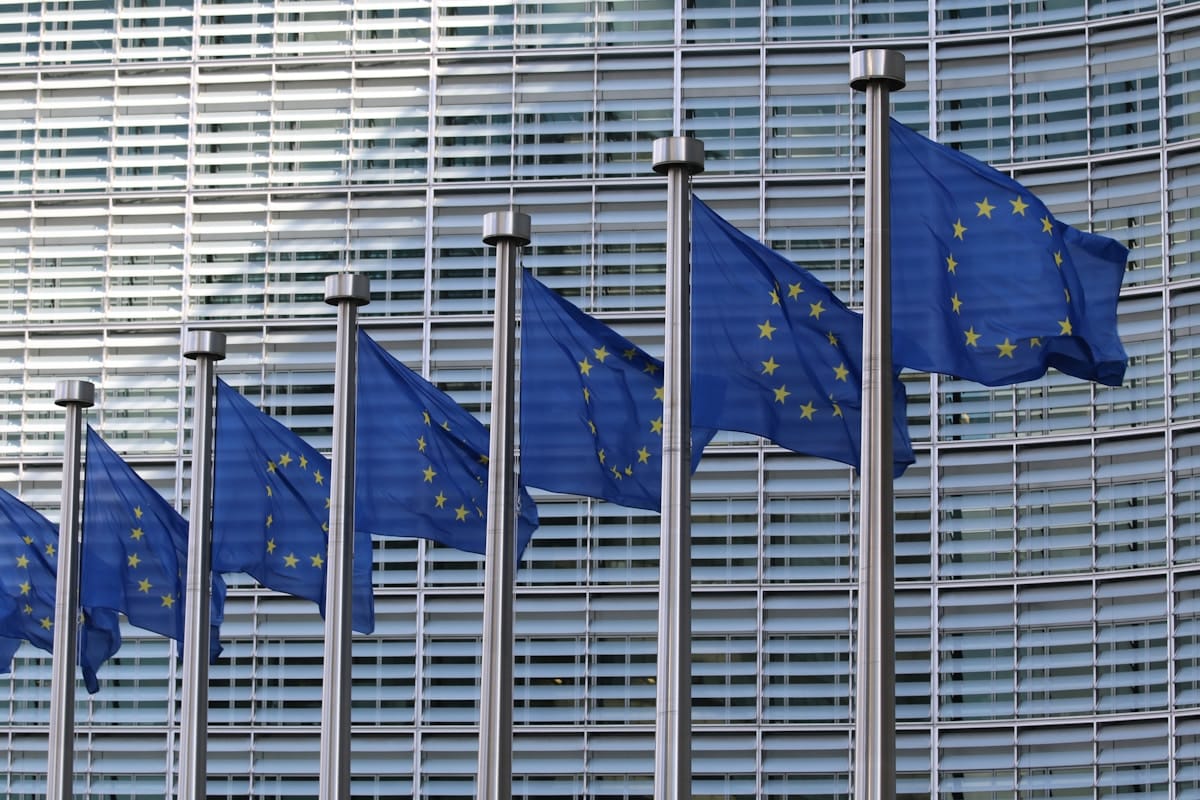
Portugal is about to unlock a fresh round of northern-European money. The new cycle of the EEA Grants — the Mecanismo Financeiro do Espaço Económico Europeu (European Economic Area Financial Mechanism) — channels €126 million into the country through 2028, and its first calls for applications open in July.
The money comes not from the European Union's own budget but from three EEA states outside it — Norway, Iceland and Liechtenstein — which pay into the mechanism in exchange for access to the European single market. Since the scheme was created in the wake of the 1992 EEA Agreement, it has steadily funnelled grant funding to the bloc's less-wealthy members, Portugal among them.
A bigger envelope than last time
At €126 million, the new allocation is about 22% larger than the €102.7 million Portugal received in the previous cycle — an increase of roughly €24 million. Maria Mineiro, the EEA Grants coordinator for Portugal, has said the new round “will allow Portugal to keep its focus on priority areas,” pointing to the results of the outgoing programme, which financed some 530 projects, helped create more than 300 jobs and reached over 280,000 people.
Where the money is aimed
The funding is concentrated in four thematic areas, with two themes cutting across all of them. The priority areas are:
- Blue economy (economia azul) — marine and maritime growth, a long-standing Portuguese focus given the country's vast Atlantic exclusive economic zone.
- Environment — including climate and biodiversity work.
- Culture — heritage and cultural cooperation.
- Combating domestic and gender-based violence, including justice-linked projects.
Running through every programme are two cross-cutting priorities: gender equality and digitalisation. A further slice — 10% of the total allocation — is ring-fenced for a fund supporting civil society, continuing the mechanism's tradition of backing non-governmental organisations directly rather than only through the State.
Who runs it
The grants are certified and overseen on the Portuguese side by AD&C (Agência para o Desenvolvimento e Coesão — the Agency for Development and Cohesion), the same body that manages Portugal's EU structural-funds machinery. The Memorandum of Understanding underpinning the cycle was signed in 2025 at Campus XXI in Lisbon, with Portugal's Secretary of State for Planning and Regional Development alongside the ambassadors of Norway and Iceland.
Why it matters
For researchers, municipalities, cultural institutions, environmental NGOs and social-sector organisations, the July opening marks the start of a multi-year window to bid for grant money that does not have to be repaid. Unlike loans or the headline-grabbing Recovery and Resilience Plan (PRR), the EEA Grants are smaller, more targeted and aimed squarely at civil society and specific public-interest themes — making them one of the more accessible pots of European funding for organisations working in the blue economy, the environment, culture and the fight against gender-based violence. Prospective applicants should watch for the individual programme calls, each of which sets its own eligibility rules and deadlines, as they roll out from July.