Fnac's Owner Wins Approval to Absorb Eleven Staples Stores Across Portugal
Portugal's Competition Authority has cleared Darty, which operates the Fnac brand, to acquire eleven Staples stores in cities including Lisbon, Cascais and Santarém, ruling competition would not be significantly harmed. Fnac already runs 53 mainland stores, and Staples Portugal booked €76 million in
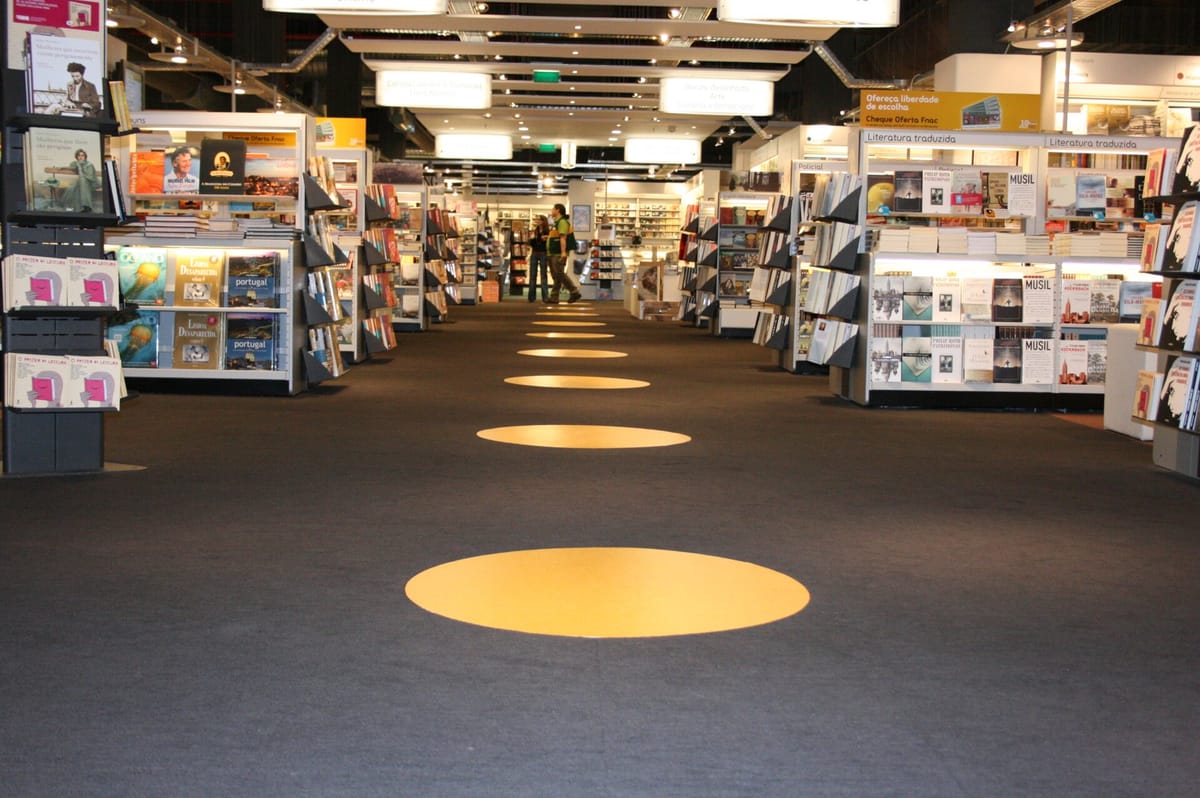
Portugal's competition regulator has cleared the way for the owner of Fnac to swallow eleven Staples stores, reshaping the country's market for stationery, office supplies and consumer electronics. The Autoridade da Concorrência (Competition Authority, or AdC) announced that it had approved the acquisition by Darty — the group that operates the Fnac brand in Portugal — of eleven outlets currently trading under the Staples name, concluding that the deal would not significantly impede effective competition.
The stores in question are spread across some of the country's busiest retail catchments, including Lisbon, Cascais and Santarém. For shoppers, the immediate change may be little more than a new sign over the door; for the two companies, it is a consolidation of two overlapping retail formats into a single, larger network under Fnac's umbrella.
The gap in size between buyer and target helps explain why the regulator waved the transaction through. Staples Portugal reported revenue of about €76.12 million in 2024, while Darty Portugal recorded a turnover of roughly €4.08 million in 2023 — figures that reflect Darty's role as the operator of the Fnac banner rather than the full weight of the Fnac business in the country. Fnac itself already runs 53 stores on the Portuguese mainland, alongside its online shop and a network of franchised outlets, giving it a substantial footprint before any Staples locations are added.
In merger reviews of this kind, the AdC weighs whether combining two players would leave consumers with meaningfully less choice or higher prices in any specific market. Its conclusion that competition would not be significantly harmed suggests the regulator sees enough rivalry remaining — from large-format electronics retailers, supermarkets, specialist stationers and online sellers — to keep the enlarged Fnac network in check.
The move fits a broader pattern in European retail, where established chains have been absorbing rivals and repurposing physical space as shopping migrates online. Fnac, long known in Portugal as a destination for books, music, gadgets and cultural events, has spent years broadening its range into home appliances and everyday technology. Bolting on a set of Staples stores — brands historically associated with office and school supplies — gives it additional high-street locations and a stronger position in categories that skew toward professionals, small businesses and families stocking up for the school year.
For Staples, the sale of eleven stores marks a further retreat of a name that once loomed large in the office-supplies sector across Europe and North America. The brand has been steadily restructured as demand for bulk paper, printers and desk supplies has softened in an era of hybrid work and digital documents.
With the regulator's approval secured, the transaction can now proceed to completion. Employees and customers of the affected stores will be watching to see how quickly the outlets are rebranded and what happens to jobs and product ranges as the two operations are folded together. For the Portuguese retail landscape, the deal is another step in the slow concentration of bricks-and-mortar shopping into fewer, bigger hands — this time with the Fnac logo set to spread a little further across the map.