Portugal Creates One of Europe's Largest Marine Reserves: 173,000 Square Kilometres of Seamounts Between the Mainland and Madeira
The Council of Ministers has created the Rei Dom Carlos Marine Nature Reserve, about 173,000 square kilometres of seamounts, corals and sponges, and set rules for the Gorringe Bank. What is protected and what is still unknown about fishing.
Portugal has created one of the largest marine protected areas in the North-East Atlantic: the Reserva Natural Marinha Rei Dom Carlos (Rei Dom Carlos Marine Nature Reserve), covering about 173,000 square kilometres of ocean between the mainland and Madeira. The Council of Ministers approved the decree-law on Wednesday, according to its communiqué (in Portuguese), published on Thursday.
That is nearly twice Portugal's land area. When the plan went to consultation in January, the government said it would be one of the largest marine protected areas in the European Union.
What is being protected
The reserve covers the Madeira-Tore complex, a chain of underwater mountains (seamounts) running south-west from the Iberian Peninsula towards Madeira. According to the government's January communiqué (in Portuguese), it includes the Gorringe Bank and the Josephine, Seine, Ampère and Coral Patch seamounts. These areas are highly productive and matter for vulnerable and migratory species.
Scientific surveys have confirmed:
- cold-water coral reefs and coral gardens;
- deep-sea sponge grounds and fields of sea lilies (crinoids);
- seabed communities with many species found nowhere else;
- feeding, breeding and gathering areas for a range of species.
The scientific report behind the decision was prepared by state bodies including the Instituto da Conservação da Natureza e das Florestas (ICNF, the nature conservation institute), the Instituto Português do Mar e da Atmosfera (IPMA, the sea and weather institute), the Direção-Geral de Recursos Naturais, Segurança e Serviços Marítimos (DGRM, the maritime directorate), the Navy's Hydrographic Institute and Madeira's regional environment directorate.
Gorringe Bank gets its own rules
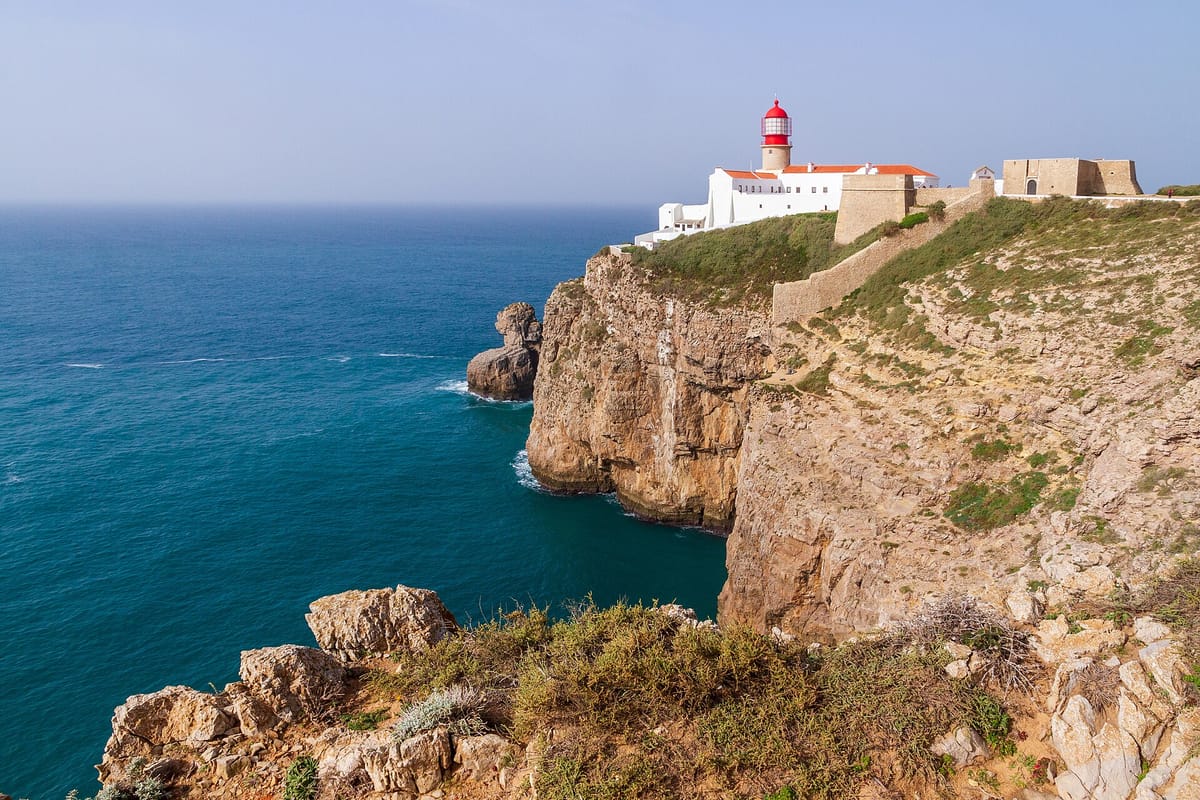
A second decree-law approved on Wednesday completes the designation of the Gorringe Bank as a Special Area of Conservation under the EU Habitats Directive. The area covers about 22,900 square kilometres south-west of Cabo de São Vicente (Cape St Vincent). The decree sets its conservation objectives and management measures. The seamount lies about 200 kilometres from the mainland, Lusa notes in Notícias ao Minuto (in Portuguese).
Fishing
The government says the reserve balances conservation with "sustainable traditional fisheries". When the proposal went to consultation, it said artisanal fishing (in Portuguese) that is highly selective and has little environmental impact would be safeguarded. The final decree has not yet been published in the Diário da República (Portugal's official gazette), so the exact rules on which fishing is allowed and where are not yet public. The public consultation closed on 6 March.
Towards 30 percent
The communiqué says the reserve brings Portugal closer to protecting 30 percent of its maritime space by 2028. In January, the government said the reserve would take protected coverage of the waters under Portuguese jurisdiction to 25 percent. The international goal, set under the Kunming-Montreal biodiversity framework and the EU's biodiversity strategy, is 30 percent by 2030.
Designating an area is not the same as protecting it in practice: a report last month found Portugal had only 9.5 percent of its seas under real protection. The Azores, which run their own marine park network, are paying compensation to fishing boats that lost fishing grounds there.
Why the name
The reserve is named after King Carlos I, whom the government calls the founder of oceanography in Portugal. Between 1896 and 1904 he led twelve scientific expeditions that identified species, mapped the seabed and studied ocean currents.