Portugal Guards 9.5 Percent of Its Seas Under Real Protection, Nearly Three Times the World Average, as the 2030 Ocean Target Drifts Away
A new report finds only 3.5 percent of the ocean effectively protected worldwide and a funding gap of 14 billion dollars a year, with formal coverage heading for 12 to 15 percent by 2030.
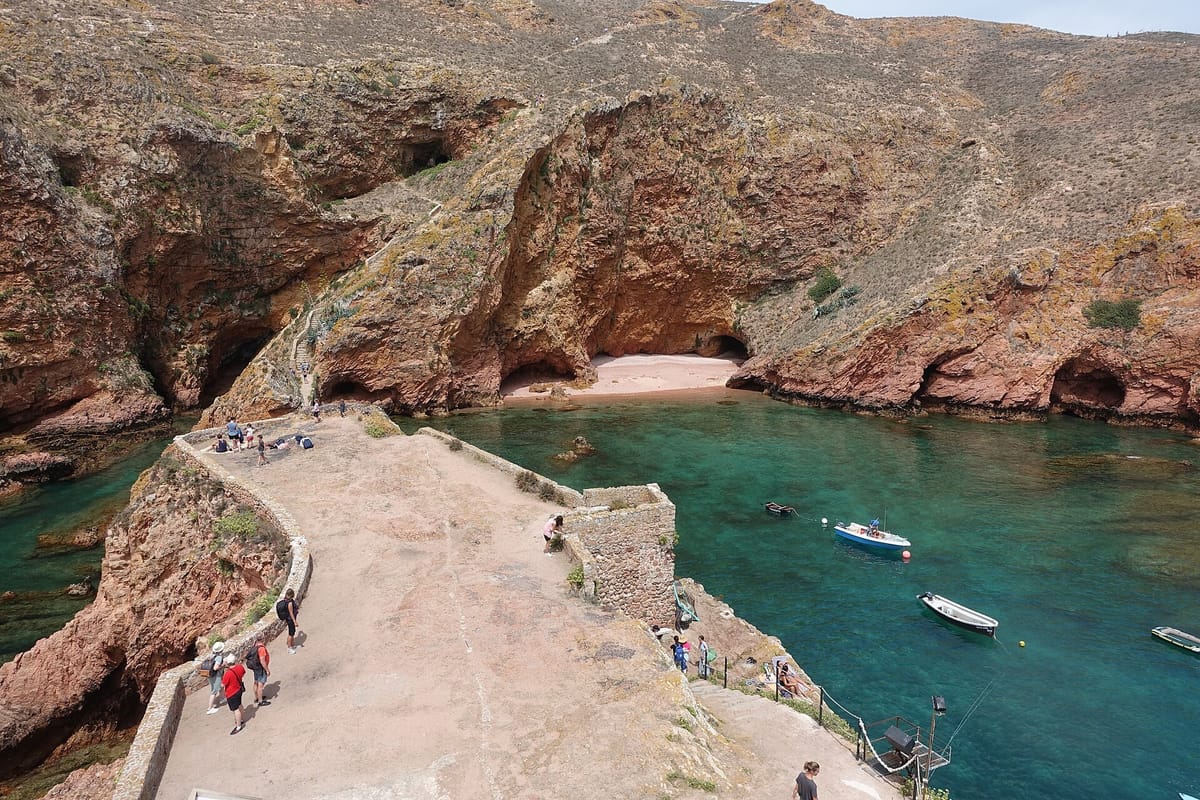
Portugal has 9.5 percent of its sea area under effective protection, almost three times the global average of 3.5 percent, according to the Ocean Protection Gap Report 2026, prepared by the consultancy Systemiq and released by the Together for the Ocean campaign. The report singles Portugal out as one of the countries that have increased the area where restrictions are strong enough to deliver real conservation.
The wider message is less encouraging. Countries agreed to protect 30 percent of the ocean by 2030, and with four years left the report finds the world well short of that target and short of the money needed to reach it.
Protected on the map, not in the water
About 10 percent of the ocean is covered by marine protected areas or other conservation measures, the report finds. But a designation alone does not stop damaging activities, and once only areas with fully or highly protective rules are counted, the figure falls to 3.5 percent.
"Designation by itself is not enough. Most existing marine protected areas still do not provide effective conservation," said Lance Morgan, president of the Marine Conservation Institute, as quoted by Jornal de Negócios. Pauli Merriman, who leads ocean work at WWF International, put it more bluntly: "A line on a map does not mean protection in the water."
The gap shows up habitat by habitat:
- about 33 percent of mangroves lie inside protected areas, but only 0.3 percent are fully or highly protected;
- 34 percent of seagrass meadows have some form of protection, and 1.1 percent reach those levels;
- warm-water coral cover reaches 47 percent, with less than 10 percent fully or highly protected.
Samoa, the other country the report highlights, has 25.6 percent of its waters under effective protection.
The 30 percent goal is slipping
Even formal designation of 30 percent looks out of reach for now. About half of coastal countries have set national targets with numbers and deadlines, and if every commitment made so far is delivered, coverage would be close to 12 percent in 2030. At the pace of recent years, the report puts the likely range at 12 to 15 percent.
Money is part of the problem. Protecting 30 percent of the ocean would cost about 16 billion dollars a year, the study estimates, against 1.8 billion currently raised, a shortfall of more than 14 billion a year. The report points to dedicated conservation funds, debt-for-nature swaps and blends of public and private finance as ways to close it, and cites studies valuing the benefits of healthy seas, from recovering fisheries to coastal protection and carbon storage, at no less than 85 billion dollars a year by 2050.
Much of the area needed lies beyond any country's waters. The high seas make up about two thirds of the ocean, and less than 2 percent is protected. The High Seas Treaty, which entered into force this year, gives a legal basis for creating protected areas there, though the report notes that rules on the water must follow any designation.
Why it matters for Portugal
Portugal manages one of the largest sea areas in Europe, stretching around the mainland, Madeira and the Azores, so its choices weigh heavily on the European total. The Azores are already paying the price of stricter rules: the regional government has set aside 6.54 million euros to compensate boats that lost fishing ground to its marine park. Off Madeira, scientists this week tagged a rarely seen beaked whale, part of an expedition studying the waters around the archipelago.