GNR Counts 42,980 Older People Living Alone, Isolated or at Risk, With Guarda, Vila Real and Bragança Holding the Most
The GNR's annual Senior Census flagged 42,980 older people living alone, isolated or vulnerable in 2026, slightly fewer than last year. Guarda, Vila Real and Bragança top the count, and officers reached 34,229 older people with safety sessions.
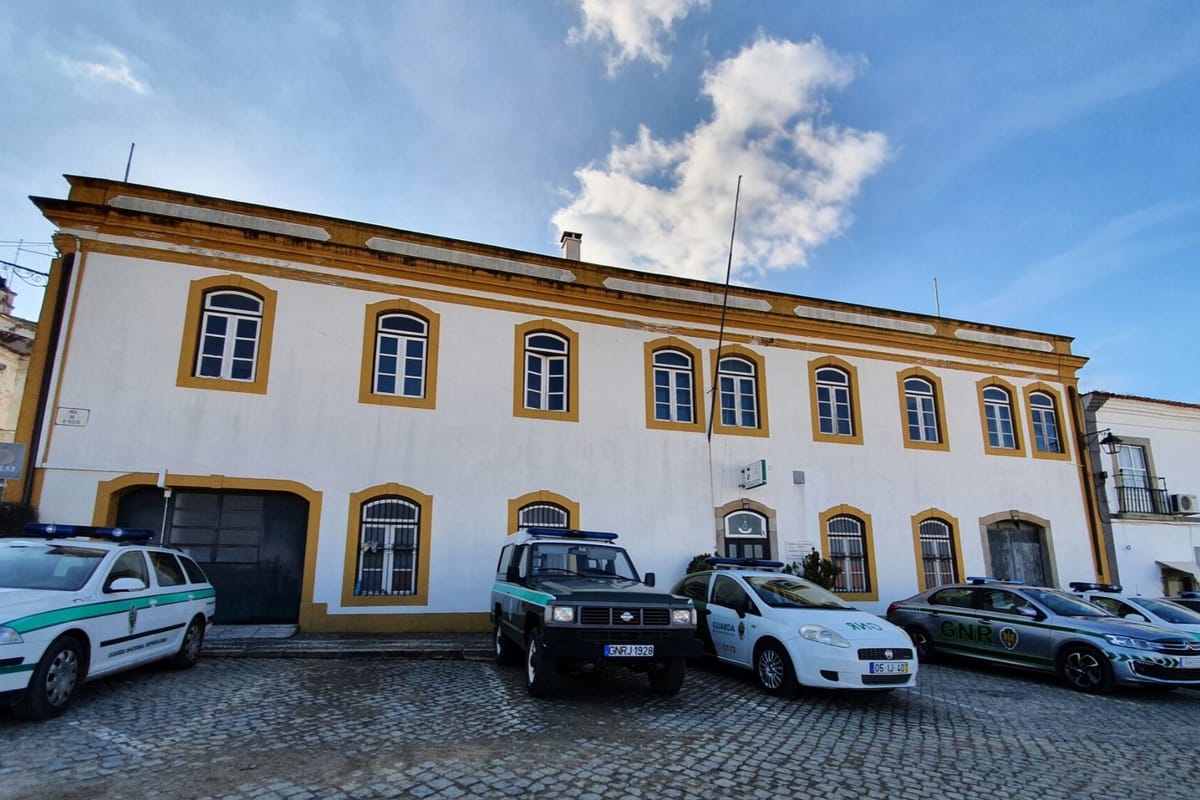
The GNR (Guarda Nacional Republicana, the national guard that polices most of Portugal's towns and countryside) flagged 42,980 older people this year who live alone, are isolated, or are vulnerable because of their physical or mental condition. The figure comes from the results of this year's Operação Censos Sénior (Operation Senior Census), which the force published on Wednesday.
The count is slightly lower than last year's 43,074, and close to the 42,873 recorded in 2024. The operation, which ran across the country from 1 October to 15 November, has been held every year since 2011.
Where the GNR found them
The inland districts of the north and centre carry the largest numbers:
- Guarda: 5,902
- Vila Real: 5,243
- Bragança: 4,586 (up from 3,367 in 2024)
- Faro: 3,513
- Viseu: 3,220
- Beja: 2,591
- Portalegre: 2,434
- Castelo Branco: 2,262
- Évora: 2,237
- Santarém: 2,095
The remaining eight districts each have between 856 (Porto) and 1,456 (Aveiro). Lisboa has 1,089 and Setúbal 1,285. The figures cover only the areas the GNR polices, which is why the big urban districts, where much of the population falls under the PSP (Polícia de Segurança Pública, the city police), show low numbers. They are not a count of every older person living alone in Portugal.
What the operation does
Officers visit older people at home and in group sessions to warn them about the crimes they are most exposed to, in particular violence, scams and theft, and to record those who may need closer follow-up. This year the GNR held 404 classroom sessions and 1,945 door-to-door actions, reaching 34,229 older people. In 2024 it held 369 sessions and 4,859 door-to-door actions, reaching 31,210.
The GNR says it will keep visiting the people it has flagged and assessing their safety, working with local partners on their quality of life. When it launched last year's edition, the force said the most vulnerable cases are passed to the competent bodies, mainly social support services, for follow-up. The operation is part of the Ministry of Internal Administration's Apoio 65: Idosos em Segurança (Support 65: Older People in Safety) programme.
What you can do
- Worried about an older neighbour or relative? Tell your local GNR post or PSP station. In an emergency, call 112.
- Watch for scams. The GNR's sessions focus on scams, theft and violence. Be wary of unexpected callers at the door or on the phone asking for money, bank details or access to the home. Our report on the scam calls that can follow a data breach lists the warning signs.
- Free helpline. The Provedor de Justiça (Ombudsman) runs a free line for older citizens on 800 20 35 31 (weekdays 9:30 to 17:30, with an answering machine outside those hours). It gives information on older people's rights and support in areas such as health, social security and housing, and can pass a case on to the body responsible.