
Farmers Will Get Help Paying for Guard Dogs and Fences Against Wolf Attacks, Once the ICNF Draws Up a Timetable Within 30 Days
An order signed by the environment minister on Saturday also calls for more wild prey, pilot detection projects and a map of attacks. No budget or opening date for the funding has been announced.
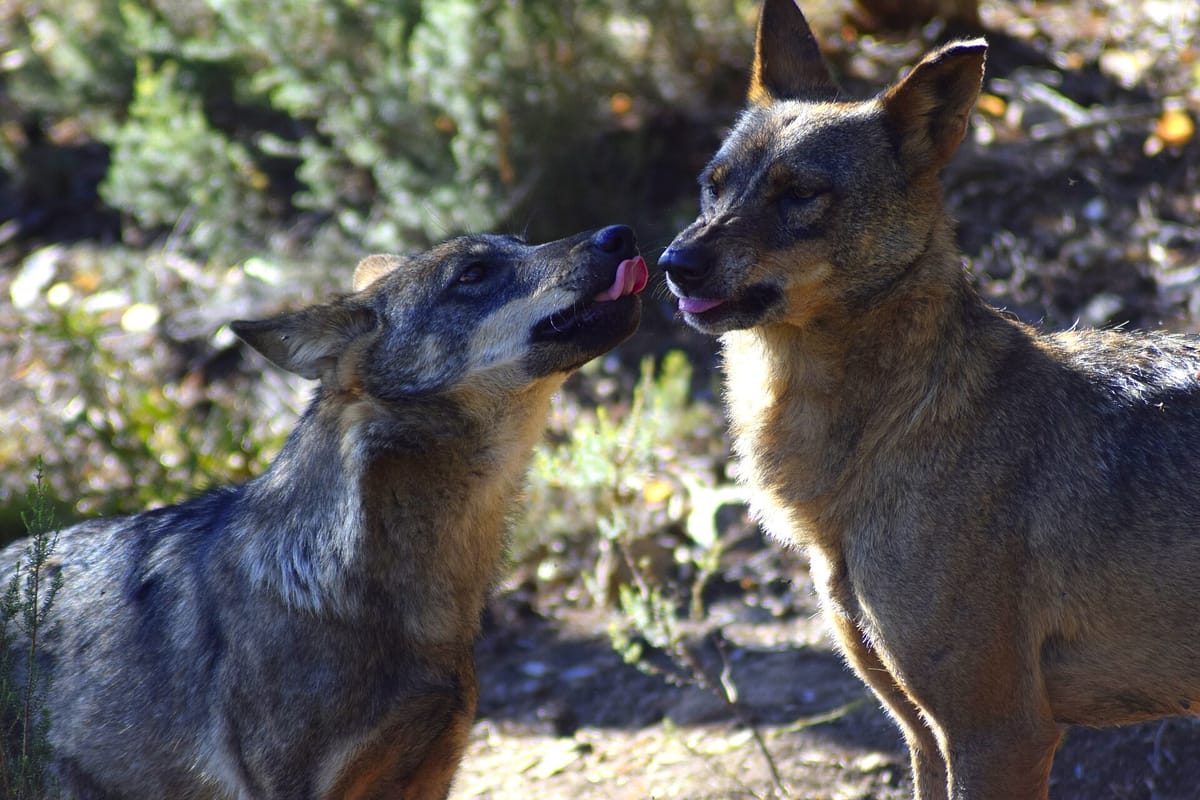
Livestock farmers who lose sheep, goats and cattle to the Iberian wolf are to get money for guard dogs and fencing, under an order signed on Saturday by the Minister of Environment and Energy, Maria da Graça Carvalho. The order gives the nature and forests institute, the ICNF, 30 days to send the minister a detailed timetable for putting a list of priority measures into practice.
The aim, the ministry said in a statement reported by Lusa, is "to harmonise the presence of the Iberian wolf in areas of livestock farming". No budget or opening date for the funding was announced.
What the order asks for
- Funding lines for protection. The ICNF is to open and run lines of finance for measures that protect herds, such as help with the upkeep of livestock guardian dogs or the installation of fences.
- Technical help for farmers. Breeders are to get technical support in adopting protective measures.
- More wild prey. The ICNF is to restore habitats suited to wolves and increase the availability of wild prey, so that packs depend less on domestic animals.
- Pilot projects. Technological solutions to detect wolves and reduce the risk of attacks are to be tested.
- A map of attacks. A map of incidents, built from the georeferenced location of each attack and updated over time, will be analysed to find the worst-hit territories and decide which actions start first.
Every two months, the ICNF must report to the minister's office on what has been done, how far each measure has got, the results and any obstacles.
Why it matters to farmers
The Iberian wolf has been a protected species in Portugal since 1988, and most of the country's packs live in the north and centre, where small-scale grazing is still common. When an attack cannot be prevented, the State compensates the owner, but payments have been a sore point. In September, some fifty shepherds gathered in Miranda do Douro to complain that compensation arrives two years late or not at all.
The ministry says it has strengthened prevention and protection, "updating the value of compensation when attacks are not avoided and cutting the time it takes to pay". The new order shifts the weight towards prevention: the dogs, fences and prey that keep wolves away from flocks in the first place.
The measures sit within the Programa Alcateia 2025 to 2035, the national wolf plan, which the government says sets out "an integrated approach to the conservation of the Iberian wolf and the promotion of sustainable coexistence with human activities in the territories where they overlap".
Wolves and land use
Wolves are increasingly a factor in decisions well beyond farming. Earlier this month, environmental assessors rejected a 45-turbine wind farm between Viseu and Guarda, with the effect on wolf packs weighing heaviest.
For now, farmers have a timetable to wait for rather than an application form. The ICNF's plan is due to reach the minister by early November; the size of the funding lines, who may apply and how much each farm can receive will only be known once it is published.


