Iberian Wolf Packs Weigh Heaviest as Assessors Reject a 45-Turbine Wind Farm Planned Between Viseu and Guarda
The evaluation commission found Lightsource bp's Paiva wind farm would cut an ecological corridor and could drive the wolf from the region. It also said the 324-megawatt project was oversized for its grid connection.
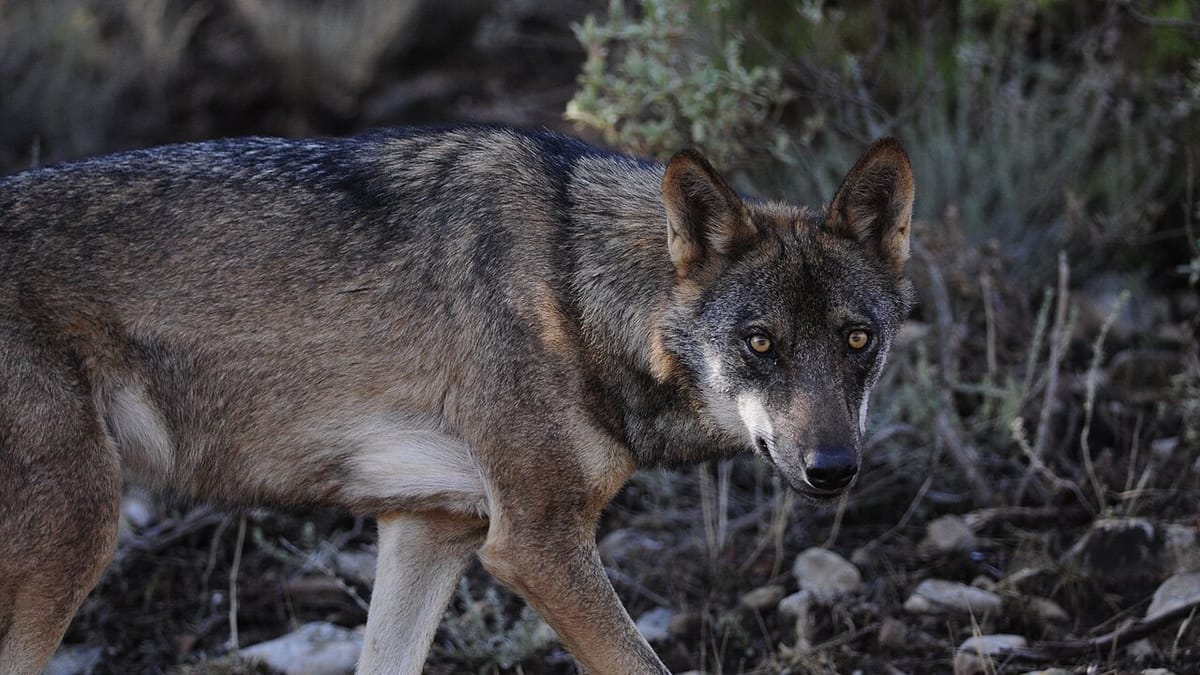
A plan to put 45 wind turbines across the hills between Viseu and Guarda has received an unfavourable environmental opinion, and the Iberian wolf weighed most heavily in it. The commission that assessed the Parque Eólico do Paiva (Paiva Wind Farm) concluded that it could seriously harm the local wolf population and even "compromise the presence of the species in that region and in regions further east", according to the opinion as reported by the Lusa news agency on Saturday.
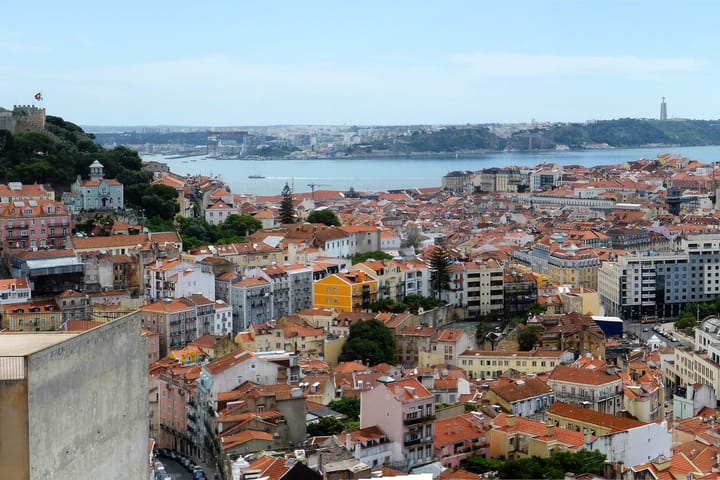
The project, promoted by Lightsource bp, would have installed 45 turbines with a combined capacity of 324 megawatts, plus a power line, across five councils in two districts: Aguiar da Beira, Sátão, Sernancelhe, Vila Nova de Paiva and Viseu. It was designed to hybridise the neighbouring Paiva solar plant, which has already received a favourable environmental impact statement, by adding wind power and batteries. The investment was put at about 250 million euros.
A wolf corridor the turbines would cut
The opinion, dated August, recalls that the Iberian wolf "has been strictly protected in Portugal since 1988". The national action plan for the species insists on keeping the landscape connected for wolves and their wild prey, with particular care for breeding areas, which must be left intact and undisturbed.
The commission found those conditions could not be met with turbines in the Aguiar da Beira and Ferreira de Aves clusters and their associated structures. The project, it said, would interfere with an existing ecological corridor in a way that "proves incompatible with the strategies currently under way for the protection and recovery of the species".
The wolf was not the only concern. The assessment found very significant negative impacts on ecological systems, geology, cultural heritage and landscape, during both construction and operation, including the direct destruction of habitats used by several species with an unfavourable conservation status. The area already holds a high concentration of wind projects. The public consultation drew what the opinion called an "expressive" response from residents and organisations worried about biodiversity, heritage, water, landscape and quality of life.
Too big for the grid connection
The commission also questioned the engineering. Taken together, the wind farm, the solar plant and a 220-megawatt battery system could produce instantaneous surpluses of up to 344 megawatts more than the grid connection can take. "This result shows an oversizing of production capacity relative to the available injection capacity," the opinion says. It was not demonstrated, the commission concluded, that 45 turbines were the most efficient solution, or the one occupying the least land.
That wording leaves room for the promoter to come back with a smaller design. Lightsource bp has done so before: in September it dropped one large solar plant in Beira Baixa and cut another by about 35 percent after a negative environmental diagnosis, as we reported at the time.
How the project grew
The Paiva wind farm began as a much smaller scheme. When the Agência Portuguesa do Ambiente (Portuguese Environment Agency, APA) first screened it in October 2024, it was described as 17 turbines of 7.2 megawatts each, 122.4 megawatts in all, in the councils of Viseu, Sátão and Vila Nova de Paiva. The APA ruled then that it needed a full environmental impact assessment because it touched a sensitive area: the Orca dos Juncais, a dolmen classified as a National Monument.
For the councils of the Viseu and Guarda highlands, the decision lands in a long-running argument over who carries the costs of the energy transition. Councils hosting wind and solar parks have been pressing for a bigger share of the revenue, while livestock farmers further north say compensation for wolf attacks arrives late or not at all.