Évora to Elvas Railway Slips to 2028 Because the State Rail Manager Has Only Now Bought Its Signalling
The track to Spain has been finished since January, but Infraestruturas de Portugal signed the signalling supply contract only on 28 October, with installation through 2027. The 460 million euro line's first trains, promised for early 2027, now look a year later.
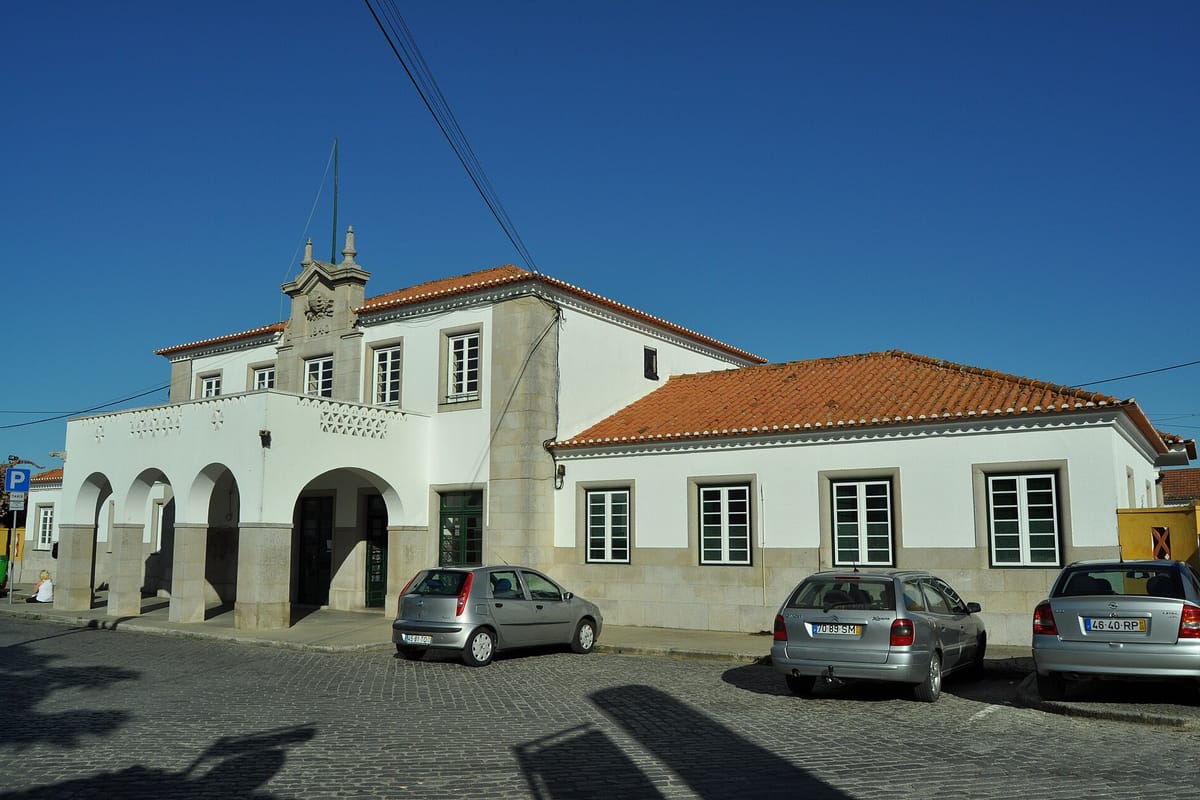
The new railway between Évora and Elvas, the Alentejo line meant to give the port of Sines a shorter route to Spain, will not be fully finished until 2028, Público reported on Tuesday. The track and overhead power lines have been in place since January. What is missing is the signalling, and Infraestruturas de Portugal (IP), the state rail infrastructure company, has only now hired a supplier for it. Installation is to run through 2027.
For people in the Alentejo, that pushes back the first trains on Portugal's first line built for 250 km/h by about another year. In January the government said they would start running at the end of 2026 or early in 2027.
A signalling contract signed in late October
The public procurement portal shows that IP signed a contract with Alstom Ferroviária Portugal on 28 October for "material ATPN" (train protection and signalling equipment) for the Évora to Elvas to Caia works. The contract is worth 1,476,307 euros, was awarded directly without a tender, and runs for 396 days from signing. That takes it to the end of November 2027.
According to Público, the system being bought is Convel, Portugal's conventional national train protection technology, rather than the European Rail Traffic Management System (ERTMS) that had been announced for the line.
What was promised
When the works were declared finished on 19 January, the government said the roughly 90 kilometre section had cost about 460 million euros. It also said the line would cut about 140 kilometres from freight journeys out of Sines and more than double the load that trains can carry from there to Spain. The next stage was certification and signalling, with services expected about a year later. At the time, infrastructure minister Miguel Pinto Luz told Lusa there was "one more year ahead" for signalling and safety certification. The line is part of the Corredor Internacional Sul (Southern International Corridor), the freight route from Sines to the Spanish border at Caia.
By late October the timetable was already slipping. The infrastructure ministry told RTP that hiring independent assessors for certification had been slower than planned, because Portugal has few of them. It also said thefts and vandalism of overhead line, signalling and telecoms equipment had hurt the schedule.
What it means for you
- Passengers: CP, the state train operator, told RTP it is preparing a service for Évora to Elvas that will start when the line opens. Timetables, trains and frequencies have not been set. CP also said it does not intend to cut passenger services on the existing Linha do Leste (East Line).
- Freight and jobs: Goods from Sines will keep taking the longer existing route to Spain for now. Business owners in the marble area around Vila Viçosa had hoped to use the line, but no stop is planned there. The mayor of Alandroal told RTP that a stop would cost 15 to 17 million euros.
- Travel to Madrid: When it announced the line's completion, the government repeated its aim of Lisbon to Madrid in five and a half hours by 2028 to 2030, and three hours by 2034.
Elsewhere on the network, Guarda recently opened a dry port for Leixões at its rail freight yard. The Lisbon to Porto main line, meanwhile, has been offered EU funds for European train control, the kind of system the Évora line is now set to open without.