Electric Units Replace Diesel on the Algarve Line, Adding 18 Percent More Regional Service
From 19 July, CP replaced diesel railcars with electric units on the Algarve Line, lifting regional supply 18%, raising capacity to 536 places and adding direct Lagos–Vila Real links.
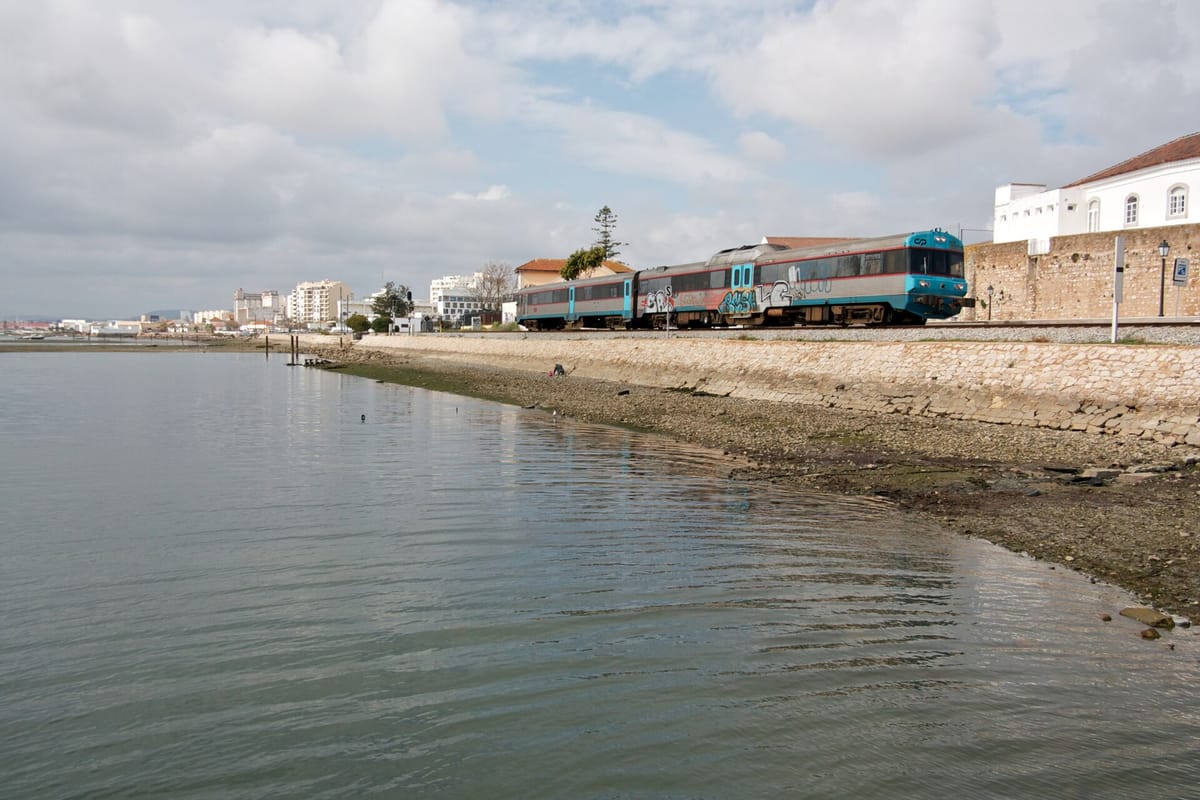
The Algarve's regional railway has gone electric. From 19 July, CP (Comboios de Portugal — Portugal's national rail operator) retired the ageing diesel units that had worked the Linha do Algarve (Algarve Line) and replaced them with electric trainsets, in a switchover that also expands service across the south.
The change follows the completion of electrification and certification works on the line by Infraestruturas de Portugal (IP — the state rail and road infrastructure manager). Diesel UDD450 railcars have given way to UTE 2240 electric units on the Tunes–Lagos and Tunes–Vila Real de Santo António branches that form the regional network.
More seats, faster links
- 18 percent more service: CP is increasing regional supply by 18 percent, with reinforced frequencies at peak hours.
- Bigger trains: Capacity per trainset rises from 388 to 536 places — 264 seated and 272 standing — roughly 40 percent more than the old rolling stock.
- New direct routes: Fresh direct connections between Vila Real de Santo António and Lagos remove some changes at Faro, trimming journey times, and a new InterRegional service adds two faster trains a day with fewer stops.
- Accessibility: The electric units bring wheelchair lifts, visual and audio passenger-information systems, and lower noise.
The upgrade lands on a corridor that carries both residents and one of Portugal's largest foreign communities, and where public transport gaps are keenly felt. Only weeks ago we reported that coaches outnumber trains nine to one on the long-distance Algarve–Lisbon route — a reminder that intercity links remain thin even as the internal Algarve network improves. The two are separate stories: this week's change is about trains within the Algarve, not the connection north to the capital.
What This Means for Residents and Expats
- Car-free travel: More frequent, higher-capacity trains make it easier to move between Algarve towns without a car, especially in the summer crush.
- Shorter hops: Direct Lagos–Vila Real de Santo António services cut out transfers at Faro for east–west journeys along the coast.
- Cleaner and quieter: Ending diesel operation on a heavily touristed line reduces emissions and noise, a gain for lineside communities.
- Accessibility wins: Wheelchair lifts and audio-visual information help older and disabled passengers, a sizeable share of the region's residents.
The electrification is part of a wider push to modernise Portugal's regional rail, alongside pressure elsewhere to revive dormant lines such as the Corgo railway in the north. For the Algarve, the immediate payoff is simple: more trains, more seats, and a smoother ride from one end of the coast to the other.