Parliament Presses the Government to Reopen the Corgo Railway to Vila Real and Chaves
Deputies approved four resolutions — from Chega, Livre, the Left Bloc and the Communists, with no votes against — urging the government to work towards reopening the narrow-gauge Linha do Corgo, closed in stages between 1990 and 2009. The recommendations ask for financing, feasibility studies and a
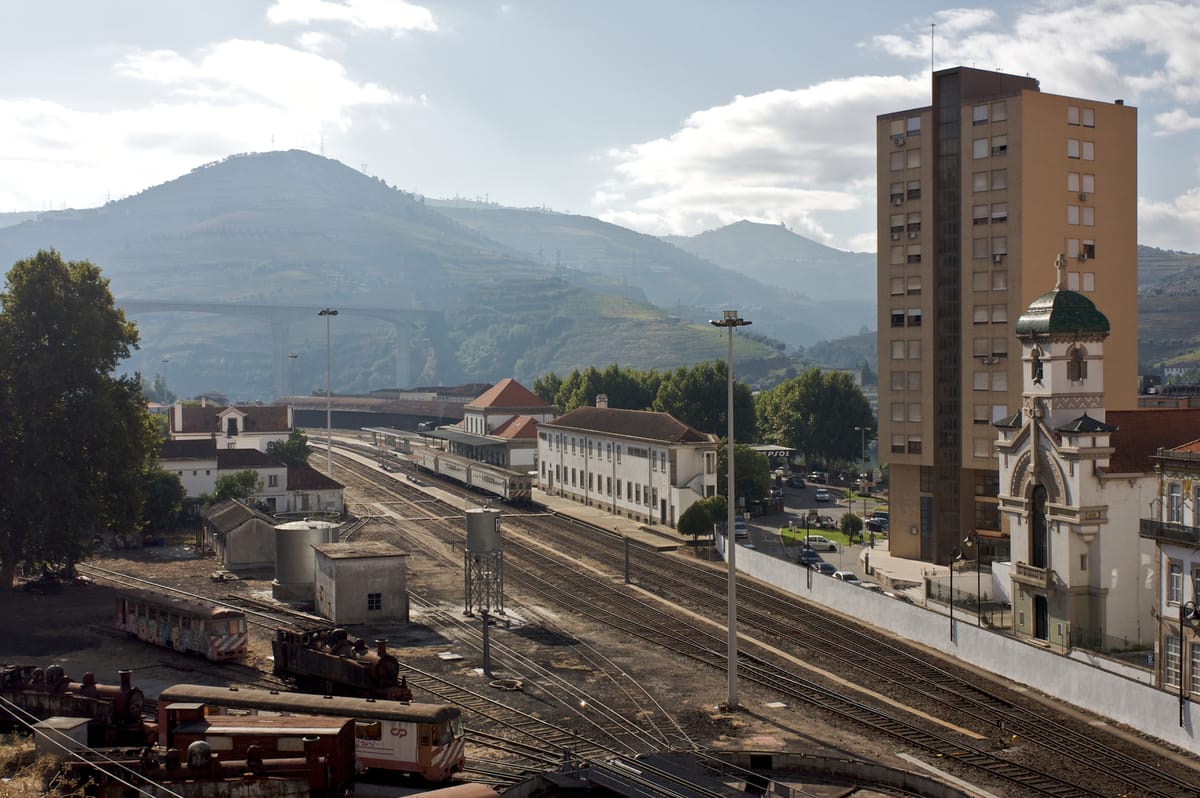
Parliament has told the government it wants trains running again through one of the interior's most nostalgic lost railways. In a series of votes, deputies approved four separate resolutions urging the executive to work towards reopening the Linha do Corgo (Corgo Line), the narrow-gauge (via estreita) railway that once climbed from the Douro up through Vila Real and on to Chaves before it was shut down in stages. None of the four texts drew a single vote against.
The resolutions came from four parties on the left and the populist right — Chega, Livre, the Left Bloc (Bloco de Esquerda, or BE) and the Communist Party (Partido Comunista Português, or PCP) — and each cleared the chamber with broad backing from the Socialists (Partido Socialista, or PS), PAN and the regionalist JPP. The governing Social Democrats (PSD), the Liberal Initiative (Iniciação Liberal, or IL) and the CDS abstained rather than oppose. Because they are recommendations, the resolutions do not bind the government to act, but they harden a united parliamentary signal to a cause that has simmered in Trás-os-Montes for years, building on the cross-bench consensus the chamber first reached in June.
The Corgo line was closed in two blows. The 71-kilometre upper stretch between Vila Real and Chaves was pulled out of service in 1990, and the remaining 25 kilometres linking Vila Real down to Peso da Régua — where the Corgo met the still-busy Douro Line — followed in 2009, ending passenger rail in the district capital altogether. Roughly 96 kilometres of track fell silent in all, leaving Vila Real as one of the larger Portuguese cities with no train service — an interior pattern echoed elsewhere, as on the Beira Baixa, where CP still runs buses over working track.
The four resolutions ask the government to do broadly the same things: identify financing, commission the technical and feasibility studies needed to restore the line, weigh modernising the corridor rather than simply rebuilding it, extend the ambition all the way to Chaves, and fold the revived route back into a national rail network that is taking delivery of new rolling stock. Supporters frame it as a test of whether the interior, steadily emptied of people and services, can be offered the same mobility promised to the coast.
Part of the old trackbed has meanwhile been repurposed as the Ecovia do Corgo, a cycling-and-walking greenway that follows the former rail corridor and has become a modest tourist draw. That has sharpened the debate: the PCP warned that the greenway “cannot substitute strategic infrastructure for public transport,” arguing that a leisure trail and a working railway serve different needs and that choosing one should not foreclose the other. A 2025 citizens' petition backing the line's return, organised by the activist Daniel Conde, gathered 1,068 signatures and helped push the issue back onto the parliamentary agenda.
Whether any of this translates into rails and sleepers depends on the government, which now has to decide how seriously to take the studies Parliament is asking for. Reopening a mountain narrow-gauge line abandoned for a generation is neither quick nor cheap, and it would compete for funds with the wider reshaping of the rail network already under way downstream. But for the towns strung along the Corgo valley, Friday's votes were a rare piece of good news about a railway most had assumed was gone for good.