Alstom Breaks Ground on a Matosinhos Train Factory Set to Build 81 of CP's 153 New Carriages
PM Luís Montenegro laid the first stone of a ~€28 million Alstom train factory in Matosinhos on 30 June. It will build 81 of the 153 new trains CP ordered under a €746 million contract, create about 300 direct jobs and start production in 2028, with first deliveries in 2029.
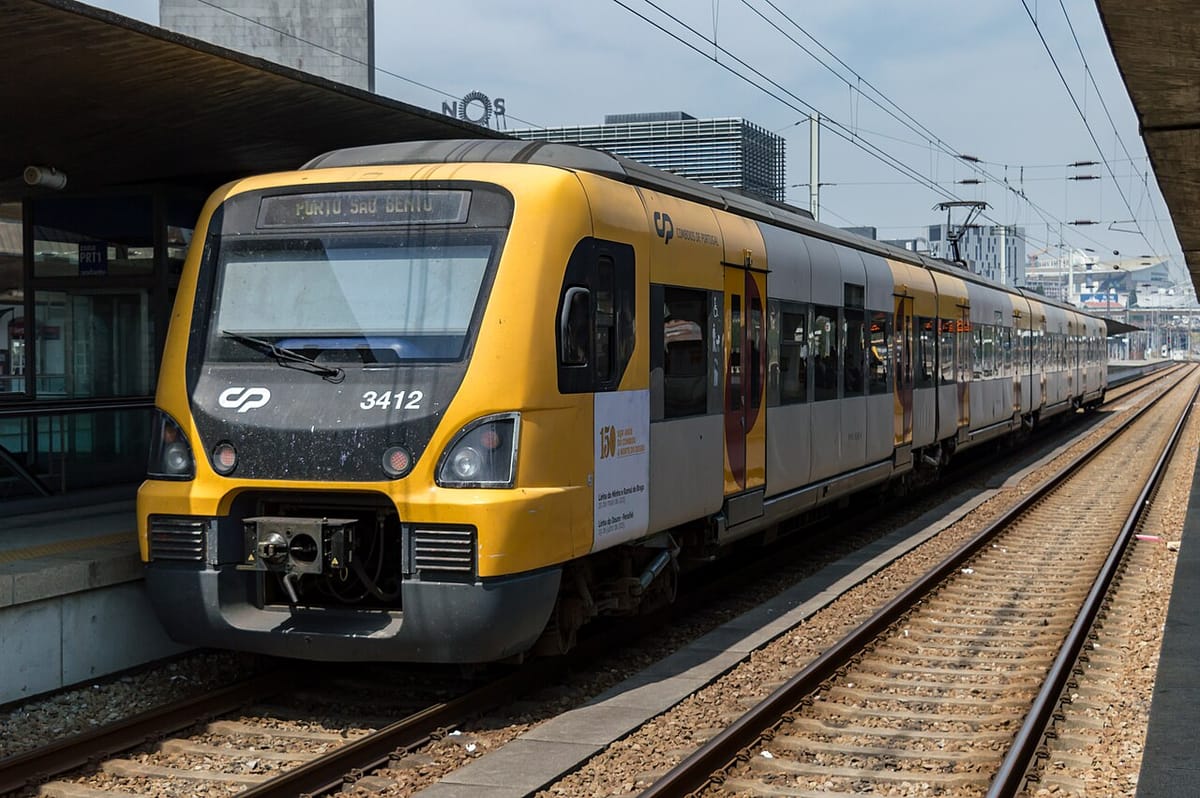
Portugal broke ground on its largest rail-industry project in decades on Monday, 30 June, when Prime Minister Luís Montenegro laid the first stone of an Alstom train factory in Guifões, in the northern municipality of Matosinhos. The plant will assemble a new generation of suburban trains for CP (Comboios de Portugal, the state rail operator) and, the government hopes, anchor a domestic rolling-stock industry.
The factory itself is a roughly €28 million investment on a 20,000-square-metre site next to CP's existing workshops. It is due to be completed in 2028 and, at full tilt, will turn out about three trains a month. Alstom, the French group behind the project, is building it in partnership with DST, a Portuguese construction group.
The trains and the tender
- 81 of 153: the Matosinhos line will build 81 of the 153 trains CP has ordered, the largest fleet purchase in the operator's history.
- The contract: Alstom and DST won a €746 million tender covering 117 units — 62 electric multiple units for urban services and 55 for regional lines — with options taking the total to 153.
- Passenger comfort: each three-car set carries about 450 passengers and comes with wheelchair access, onboard Wi-Fi and bicycle storage.
- Timeline: production runs from 2028, with deliveries accelerated by nearly two years against the original schedule.
For CP, the fleet cannot arrive soon enough. Years of under-investment have left the operator running ageing trains on crowded Lisbon and Porto commuter lines, with cancellations and overcrowding a recurring complaint. Infrastructure Minister Miguel Pinto Luz framed the factory as proof that the government is making rail "the central axis of mobility," alongside a planned high-speed line between Lisbon and Porto. It joins a run of infrastructure bets that includes a new subsea data cable landing in Lisbon.
The mood was not entirely celebratory. Montenegro used the ceremony to vent about the bureaucracy that nearly sank the plant, saying "this day came close to not happening" — a pointed reference to the licensing and procurement delays that have dogged the project since the tender was first launched in 2021 and only awarded in 2023.
What This Means for Expats
- Better commutes ahead — eventually: if you live in the Lisbon or Porto metropolitan areas, newer, higher-capacity trains should ease the daily crush, though not before the end of the decade.
- Accessibility gains: wheelchair spaces, bike storage and Wi-Fi as standard make the trains friendlier for families, cyclists and remote workers.
- Jobs and regional pull: the plant is expected to create about 300 highly skilled direct jobs and some 1,000 indirect ones around Matosinhos, adding to a cautiously improving business mood in the north.
- A signal on infrastructure: the project reflects a broader push to lift living standards and industrial capacity — relevant if you are weighing car-free living or choosing where to settle.
The first carriages are not due to roll off the Matosinhos line until 2029, and Portugal's record on delivering big infrastructure on time is patchy. But for a rail network long starved of new trains, the groundbreaking is a tangible sign that relief, however delayed, is finally on the rails.