MEO Will Operate a New 'Brexit Cable' Linking Galway to Lisbon, Ireland's First Subsea Route That Skips the UK
MEO will operate PISCES, a roughly 3,000 km subsea cable connecting Galway in western Ireland to Lisbon — the first link letting Ireland reach mainland Europe without routing through the UK. It is MEO's first new submarine cable in 11 years and adds a landing station in northern Portugal.
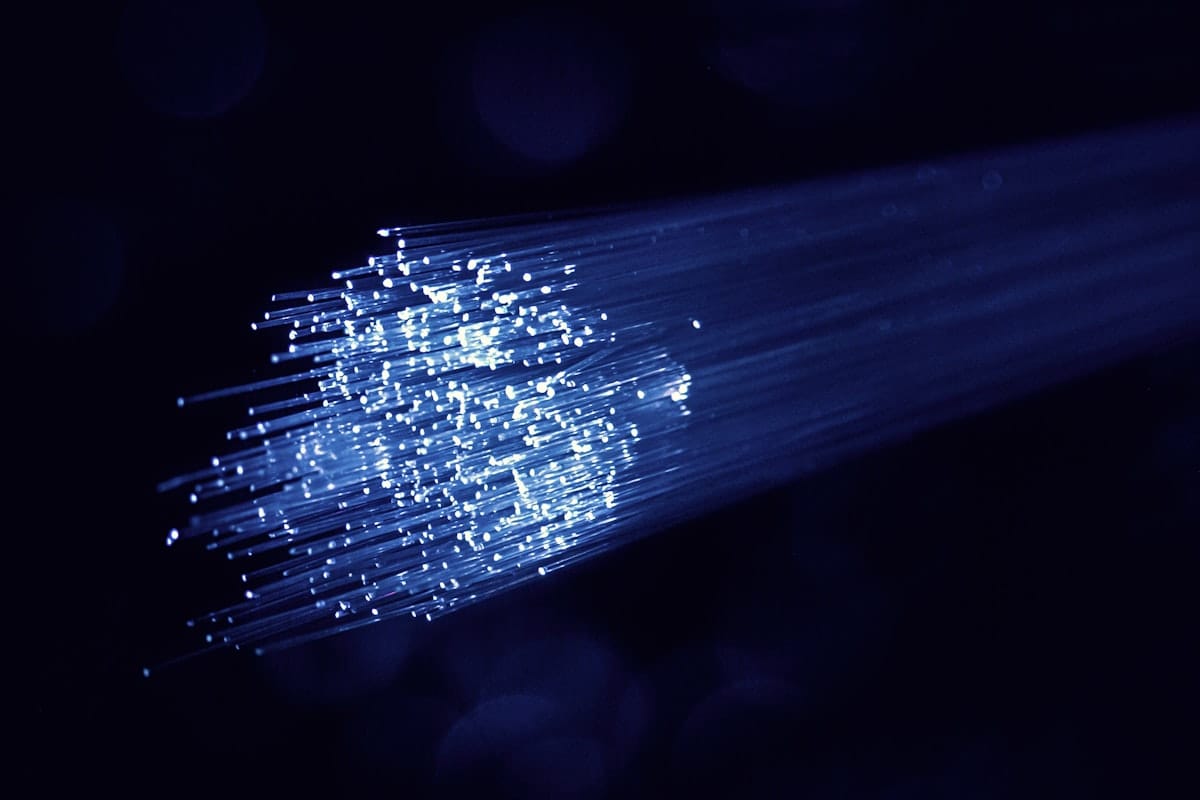
Portugal's largest telecoms operator is about to put a new strand of Europe's digital backbone in Portuguese hands. MEO — the consumer brand of Altice Portugal (the country's incumbent operator) — will operate PISCES, a new submarine fibre-optic cable that runs roughly 3,000 kilometres from Galway, on Ireland's west coast, to Lisbon. It is the first cable to let Ireland reach mainland Europe without its traffic passing through the United Kingdom, which is why it has already picked up the nickname the "Brexit cable."
For MEO it is a notable return to deep-sea infrastructure. "For the first time in 11 years, we're investing in a new submarine cable linking Ireland to Lisbon, operated by MEO teams locally," said chief executive Ana Figueiredo. The cable will be run from Portuguese territory and is designed to knit together Ireland, Portugal, Spain and France into what European Commission documents describe as a "competitive and resilient connectivity ecosystem" serving telecoms operators, cloud-computing providers and research institutions.
What the project involves
- Route: Galway (western Ireland) to Lisbon, about 3,000 km, with onward links toward Spain and France.
- Operator: MEO, its first new subsea cable investment in 11 years, managed by local teams.
- New landing point: MEO plans a fresh cable-landing station in northern Portugal, breaking the country's long-standing concentration of landings around Carcavelos and Sesimbra, west of Lisbon.
- Science add-on: the system may carry SMART sensor technology that turns the cable into an environmental monitor, feeding earthquake and tsunami early-warning systems while it moves data.
The strategic logic is about more than speed. Since the UK left the European Union, Irish data bound for the continent has largely travelled across British soil and British-controlled cables. A direct Ireland-to-Iberia link reduces that dependency and gives the EU a connectivity path that stays inside the bloc — a point Brussels has increasingly framed as a matter of economic security rather than mere bandwidth. For Portugal, hosting and operating the cable extends a strategy of positioning the country as an Atlantic landing hub, building on earlier projects such as Google's transatlantic systems and the 2Africa cable at Carcavelos.
A northern landing station also spreads risk and opportunity beyond the Lisbon region, potentially anchoring data-centre and cloud investment closer to Porto. That dovetails with Portugal's wider pitch that cheaper-than-average electricity can lure energy-hungry industry, data centres included.
What This Means for Expats
- Connectivity resilience: More direct international routes mean fewer single points of failure for the internet links remote workers and businesses in Portugal rely on every day.
- Northern Portugal upside: A new landing station near Porto could draw tech and data-centre jobs to the north, widening options beyond the Lisbon tech cluster where large employers keep expanding.
- Digital-economy signal: Hosting critical EU infrastructure strengthens Portugal's case as a base for cloud, AI and research firms — the same audience courted at last week's Sintra central-bank forum.
- No quick consumer change: Home broadband prices and speeds will not shift overnight; the gains are wholesale, in capacity and reliability, much like other recent connectivity moves such as Starlink trials on intercity trains.
MEO has not published a completion date, and large subsea projects typically take two to three years from commitment to service. But the direction is clear: Portugal wants to be where Europe's data comes ashore, and PISCES gives Lisbon — and soon the north — another reason to make that claim.