Europe's Central Bankers Convene in Sintra as Lagarde's Forum Turns to AI, Migration and a Digital Euro
The ECB's annual Forum on Central Banking returns to Sintra from 29 June, with Christine Lagarde opening three days that swap interest-rate drama for the longer arc of innovation, migration and money's digital future.
For one week each summer the small hill town of Sintra becomes the centre of European monetary policy, and on Monday it happens again. The European Central Bank's annual Forum on Central Banking opens on 29 June and runs through 1 July at the Penha Longa resort, gathering the governors of the euro area's central banks, leading academics and a roster of international policymakers for three days of debate under the theme "Shaping Europe's Future: Innovation, Growth and Stability."
The Forum is organised by the ECB, but the Banco de Portugal (Bank of Portugal) plays host as the event sits on Portuguese soil. This year it does so under a new governor: Álvaro Santos Pereira, who took office in succession to Mário Centeno, will represent the central bank on home ground for the first time. Christine Lagarde, the ECB president, delivers the opening address on Monday evening.
Less about the next rate move
In some years the Sintra gathering has been read mainly for clues about the path of interest rates. This edition tilts elsewhere. With inflation now hovering close to the ECB's 2% target and the easing cycle largely behind it, the agenda reaches past the next policy meeting toward the structural questions that will define the euro area for a generation: how Europe grows, how it finances itself, and how technology reshapes both.
That backdrop is far from settled. Organisers framed the Forum against a climate of uncertainty over global trade policy and the conflict in the Middle East, twin pressures that complicate any central banker's outlook on prices and growth.
Three days, three big themes
Tuesday, 30 June, brings a panel on artificial intelligence and financial stability, drawing in voices from the International Monetary Fund (IMF), the Bank of England, the University of Pennsylvania and the investment firm Apollo Global Management. It is paired with a conversation on AI between Aaron Chatterji, chief economist at OpenAI, and Philip Lane, a member of the ECB's Executive Board, an unusually direct encounter between a frontier AI company and the euro area's monetary brain trust.
The closing day, 1 July, opens with a session on what migration means for productivity and growth across Europe, built around a research paper on the subject, a pointed topic for a continent wrestling with both labour shortages and political friction over immigration. It is followed by a discussion of "tokenisation" and the future of digital payments, the technical underpinning of the ECB's long-running work toward a digital euro. The Forum ends with the Young Economist Award and Lagarde's closing remarks.
Why it matters from Lisbon
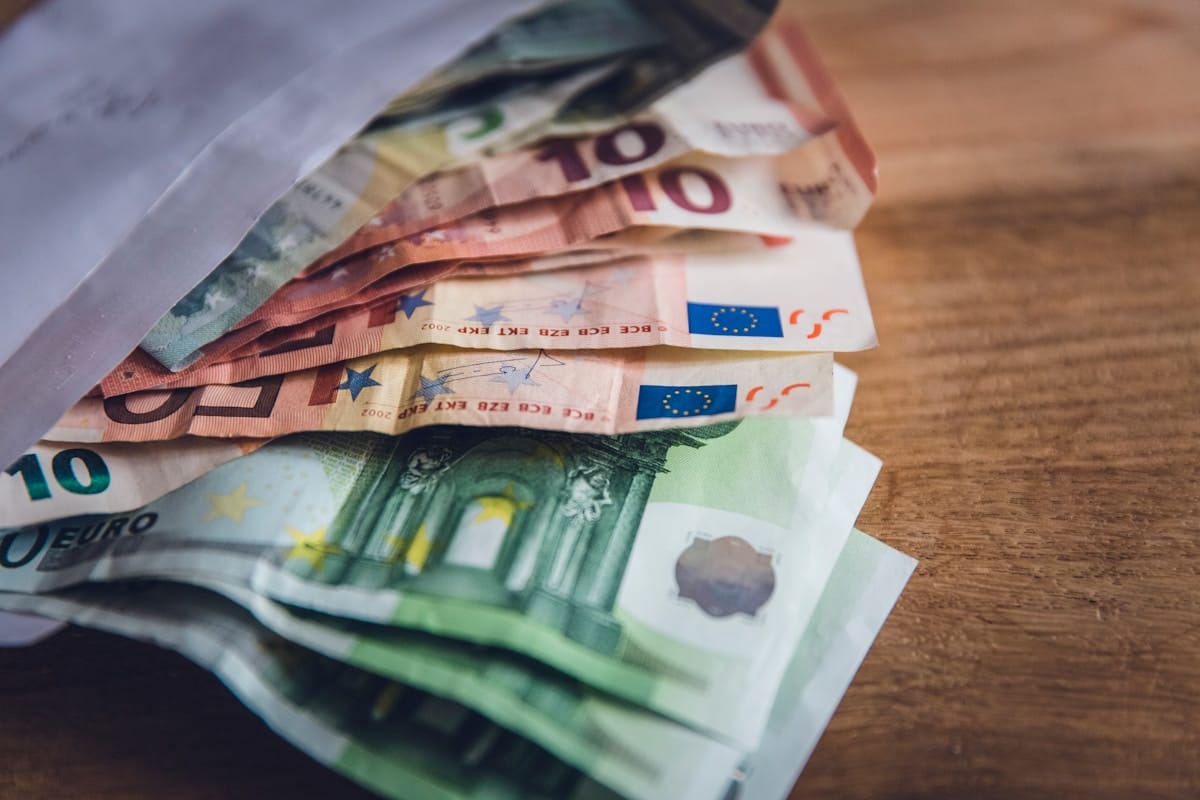
For Portugal, hosting the Forum is both a point of prestige and a reminder of how exposed a small, open economy is to decisions taken at the European level. The questions on the Sintra agenda, what AI does to jobs and stability, whether migration can offset an ageing workforce, how money itself is digitised, land squarely on Portuguese households and firms. The conversations unfold in a resort outside Lisbon, but the consequences travel well beyond it. On the euro, the ECB and the currency-design side of the file, the public vote on the next euro banknote designs sets the latest reference.