EU Cuts Duty-Free Steel Import Quotas 47% From July 1, Squeezing Portugal's 250,000-Job Metalworking Sector
From 1 July a new EU regulation cuts duty-free steel import quotas by 47% and doubles the over-quota tariff to 50%, replacing safeguards that expire on 30 June. Brussels says it shields European steelmakers, but Portugal's metalworking association warns higher input costs threaten about 250,000 jobs
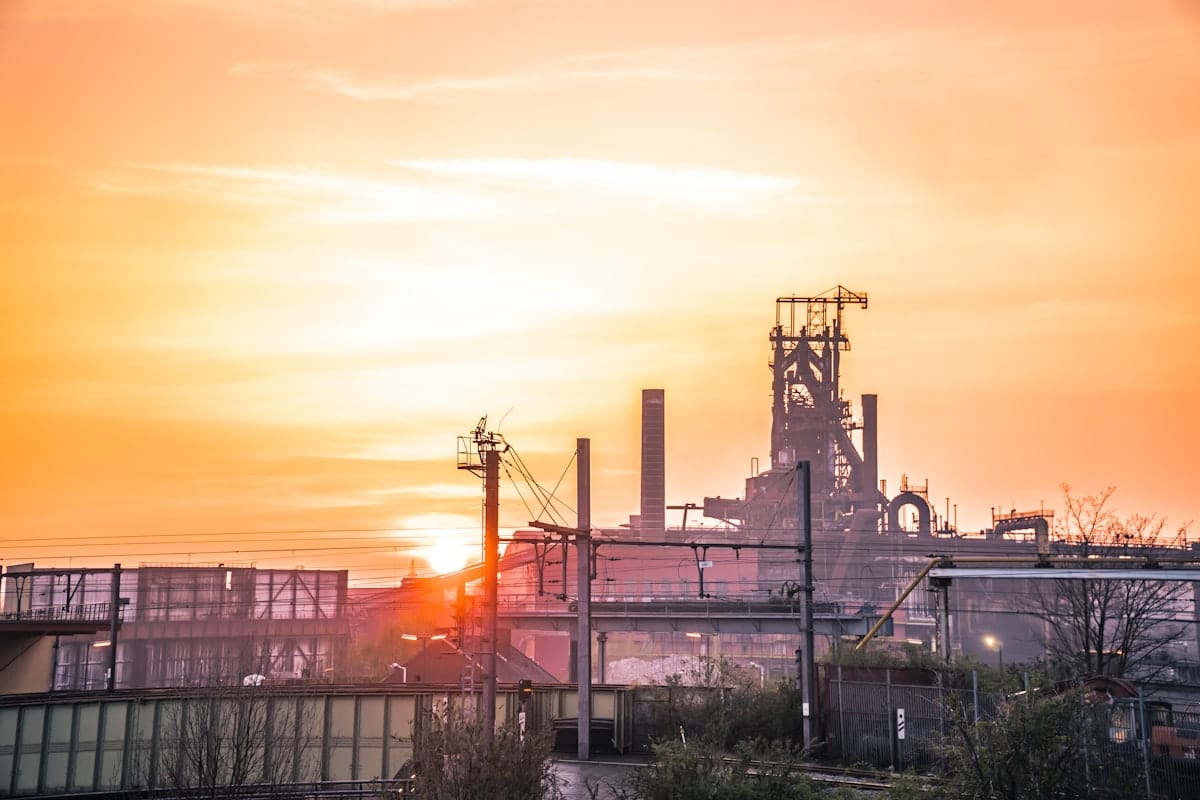
A new European Union rulebook for steel imports takes hold on 1 July, and it puts Portugal's metalworking industry in an awkward spot. The regulation, which replaces the EU's long-running "safeguard" measures as they expire on 30 June, cuts the volume of steel that can enter the bloc duty-free by 47% and doubles the tariff on anything above that quota to 50%. Brussels says the goal is to shield European steelmakers from a global glut of cheap steel. But Portugal makes little primary steel and consumes a great deal of it — and its manufacturers are warning the change will raise their costs.
The measure caps months of negotiation. The European Commission first floated the tighter regime in October 2025, and the EU Council presidency and the European Parliament reached a provisional agreement in April 2026. Supporters argue it preserves jobs and protects Europe's capacity to decarbonise heavy industry by keeping domestic mills viable against subsidised imports, particularly from Asia.
Why Portugal is exposed
Portugal's strength is not blast furnaces but the workshops downstream of them: moulds, machinery, metal components, auto parts and engineering products that turn imported steel into exports. The Portuguese Association of Metallurgical, Metalworking and Allied Industries (Associação dos Industriais Metalúrgicos, Metalomecânicos e Afins de Portugal, or AIMMAP) represents that base — a sector it says employs roughly 250,000 people and ranks among the country's largest export earners.
- 47% cut in duty-free import quotas from 1 July.
- 50% tariff on over-quota volumes, up from 25%.
- ~250,000 jobs in Portugal's metalworking and metallurgy sector, which relies on imported steel as a raw material.
AIMMAP has been blunt, accusing Brussels of pushing Europe toward "deindustrialisation" and arguing that the safeguards harm the competitiveness of firms that buy steel rather than make it. The worry is straightforward: if input prices rise across the EU while customers and rivals outside the bloc face no such costs, Portuguese exporters of finished metal goods could be squeezed on both price and margin precisely as global demand softens.
The timing compounds the unease. Portuguese employers have already trimmed their summer hiring plans, even as overall business sentiment has edged up. A fresh cost shock to an export-heavy sector cuts against the government's ambition to attract more industry on the strength of cheap energy and to close the income gap with the EU average.
What This Means for Expats
- Jobs to watch: Metalworking is a major regional employer, especially around the north and centre; cost pressure here ripples into local labour markets where many residents work.
- Prices on big-ticket goods: Pricier steel can feed into the cost of cars, appliances, construction materials and home renovations over time.
- Construction knock-on: Higher structural-steel costs add to the squeeze on a building sector already wrestling with Portugal's housing shortage.
- EU vs. national interest: The episode is a clear case of a bloc-wide rule cutting differently in Lisbon than in steel-producing capitals — worth tracking as the government decides how hard to lobby Brussels.
The regulation is now set to apply from Tuesday, leaving Portuguese manufacturers to absorb the change in real time. Whether Lisbon presses for carve-outs or relief for steel-consuming industries will be an early test of how it balances EU solidarity against a homegrown sector that employs a quarter of a million people.