E-Redes Stands Trial in Arouca Over 63 Felled Cork Oaks, a Case Prosecutors Had Tried to Close
The grid operator held a permit to fell eight cork oaks under a power line in 2023. The indictment says 63 came down. Prosecutors shelved the case, but the landowner forced a judicial review and the Porto Court of Appeal upheld the committal for trial.
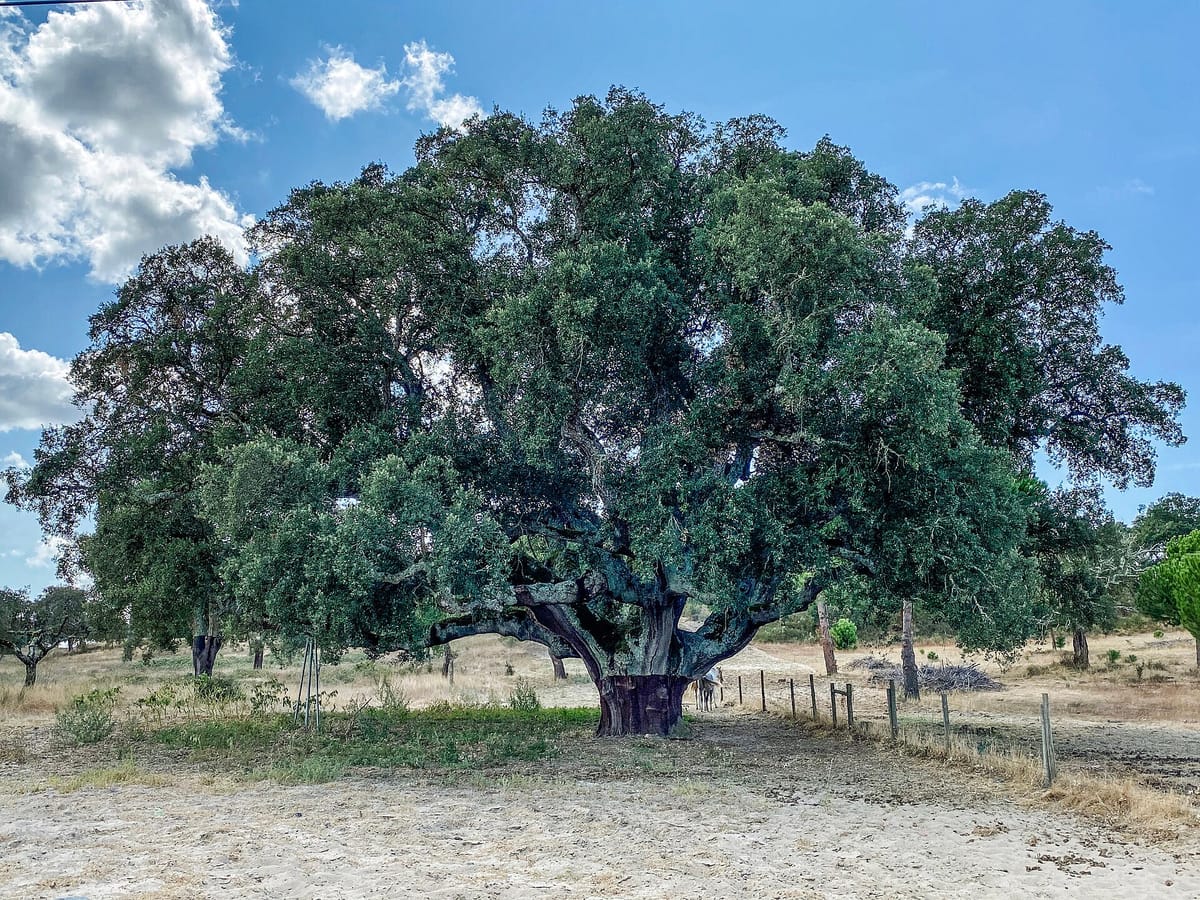
Portugal's electricity distributor went on trial on Thursday for the felling of 63 cork oaks on a private estate in Arouca, in a case the Ministério Público (Public Prosecution Service) had asked to close. It reached a courtroom only because the landowner pushed it there.
E-Redes, the EDP group company that runs the mainland distribution grid under a state concession, sat as a defendant at the Tribunal de Arouca (Arouca Court), in Aveiro district, alongside the contractor it hired to cut the trees and that firm's legal representative. All three face one charge of danos contra a natureza (damage to nature), committed jointly, according to Lusa.
Eight authorised, sixty-three felled
The case concerns land at the Quinta das Regadas, in Arouca, in January 2023. According to the indictment, E-Redes had 63 cork oaks cut down, along with trees of other species, where they stood beneath an electricity line. The Instituto da Conservação da Natureza e das Florestas (ICNF, the nature and forests institute) had authorised it to fell eight adult cork oaks.
The judge's committal order says the defendants cut the 63 cork oaks without the legal authorisation required, "at least for 55 of them", knowing that this was forbidden and punishable. It also records a lack of cooperation from the company, which, it says, failed to answer requests for information and offered successive "excuses" for not producing the authorisations, and in doing so avoided being made a formal suspect at the proper time.
E-Redes' legal representative declined to give evidence at the first session. The head of the contracting firm did speak. He admitted cutting the trees but put the number at 30 to 40, said he had only followed E-Redes' orders, and argued that the trees were endangering the public distribution network.
How a closed case came back
The route to trial was unusual. Prosecutors opened an inquiry into the three defendants and then shelved it, concluding they had gathered "sufficient proof that the crime of damage to nature had not been committed". The owner of the land then requested an instrução, the judge-led review a victim or assistant can ask for when prosecutors decline to charge. The Juízo de Instrução Criminal de Santa Maria da Feira (Santa Maria da Feira criminal investigation court) ended it by committing the defendants for trial. E-Redes appealed to the Tribunal da Relação do Porto (Porto Court of Appeal), which upheld the committal.
What the law says about cork oaks
The cork oak is one of the most tightly protected trees in Portugal. Decreto-Lei n.º 169/2001, the law that protects cork and holm oaks, says in its Article 3 that cutting or uprooting a cork oak "in a stand or isolated" requires authorisation. There are exceptions: thinning under an approved forest management plan needs only 30 days' notice, and trees whose removal is set out in a project's environmental impact study, with a favourable opinion from the ICNF, need no separate permission. Article 17 bans any operation that mutilates or damages a cork oak or leads to its death.
Breaching those rules is an administrative offence punished with a fine. The criminal charge in Arouca comes from a different text: Article 278 of the Código Penal (Penal Code), which punishes anyone who, in breach of the law or of conditions set by the authorities, eliminates or destroys specimens of protected wild flora. The penalty is up to five years in prison. If the court finds the act was negligent rather than intentional, the maximum drops to two years or a fine of up to 360 days.
A recurring argument
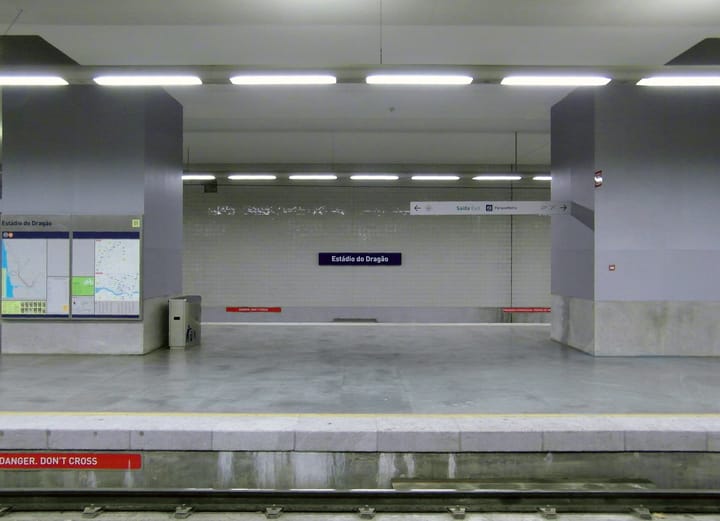
The cork oak's protection keeps colliding with infrastructure. The environmental study for Porto's planned metro line to Gondomar, which the government funded on Thursday, counts 89 cork oaks among the trees in its path. In Covilhã, the draft municipal master plan would clear about 1,400 cork oaks for an industrial park. In both cases the trees are counted in advance and the felling goes through a formal procedure. What the Arouca court now has to decide is what happens when a company holding a permit for eight trees leaves a site with 63 of them gone.