Portugal's Stroke Survivors Mark Ten Years of Their Own Association by Warning That Rehabilitation Still Comes Too Late
Portugal AVC now runs 25 mutual help groups and meets in Abrantes on Saturday. Emergency stroke treatment has grown sharply in a decade, but survivors say the therapy that follows is patchy and carers fill the gap.
Portugal's association of stroke survivors marks its tenth anniversary on Saturday with a warning that the part of stroke care patients need longest, rehabilitation, is still the hardest to get, and that families are left to fill the gap.
"In rehabilitation there are many complaints about the lack of this essential care: starting as early as possible, multidisciplinary, continuous and without pre-set time limits," António Conceição, president and founder of Portugal AVC, União de Sobreviventes, Familiares e Amigos (Portugal Stroke, Union of Survivors, Family and Friends), told Lusa.
Proper rehabilitation, he argued, can decide whether survivors regain their autonomy and return to social and working life, and it reduces later costs for families, society and the state. The shortfalls also land on carers, he said, who "so often replace the State, 24 hours a day, seven days a week, with almost no help".
Ten years, 25 groups
Conceição, who had a stroke himself, founded the association after looking for information, representation and support and finding nothing aimed at survivors. "You looked around and saw nothing that represented us," he said. He still has significant after-effects, but calls himself "privileged" to have been able to invest in his own rehabilitation.
In a decade the association has held 20 meetings around the country and now runs 25 Grupos de Ajuda Mútua (mutual help groups), including one online group for people aged up to 35. Because the groups are free and open, there is no exact count, but it estimates at least 1,000 people attended regularly or passed through them in the past year. Conceição describes them as a complementary "therapy" that helps fight isolation after a stroke.
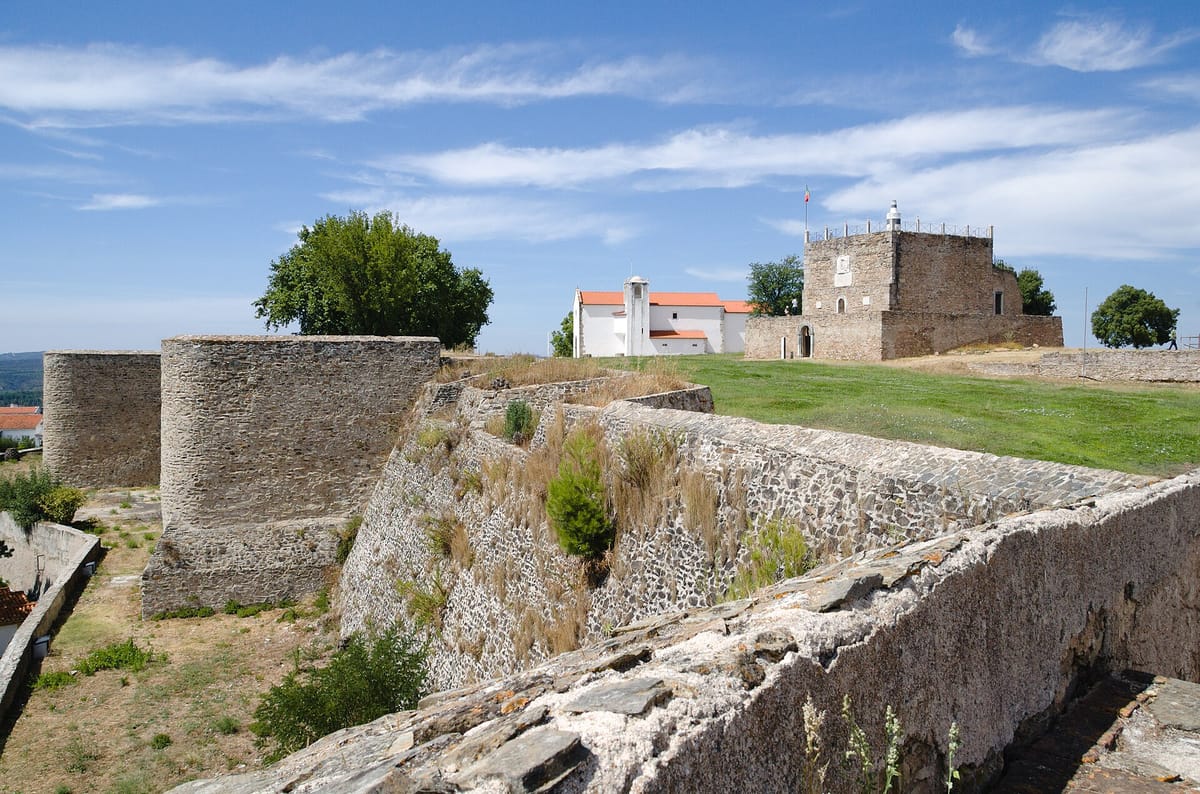
Saturday's anniversary meeting is in Abrantes, in the district of Santarém, from 10:00. About 420 people have registered, mostly survivors but also relatives, carers and health professionals, some travelling from the Azores and Madeira. The afternoon has 17 activity spaces, including training, physical activity, music therapy, yoga and discussion groups.
What the numbers show
Direção-Geral da Saúde (Directorate-General of Health, DGS) data point to about 25,000 hospital admissions a year for ischaemic or haemorrhagic stroke, Lusa reports. Between 2017 and 2023, more than 80 percent of the 198,927 admissions for cerebrovascular disease were for acute stroke, according to the latest national report on cerebrovascular and cardiovascular disease.
The emergency end of the system has improved markedly. A DGS summary of the national programme's figures shows the number of patients receiving endovascular treatment to clear a blocked artery rising from 394 in 2015 to 2,295 in 2021, while admissions to dedicated stroke units went from 8,949 to 11,926 over the same years. Deaths from cerebrovascular disease fell from 13,867 in 2010 to 11,011 in 2020.
The DGS itself credits the past decade with lower hospital mortality and wider access to these reperfusion treatments, but still lists stronger rehabilitation and better-integrated care among the challenges. That is where survivors say the system thins out, as the continuing-care network loses beds. Relatives who take on the caring role can apply for the informal carer status, which brings some rights and a means-tested allowance.