An Otter Reappears in the Sintra Hills for the First Time in Decades, Caught on a Conservation Camera Trap
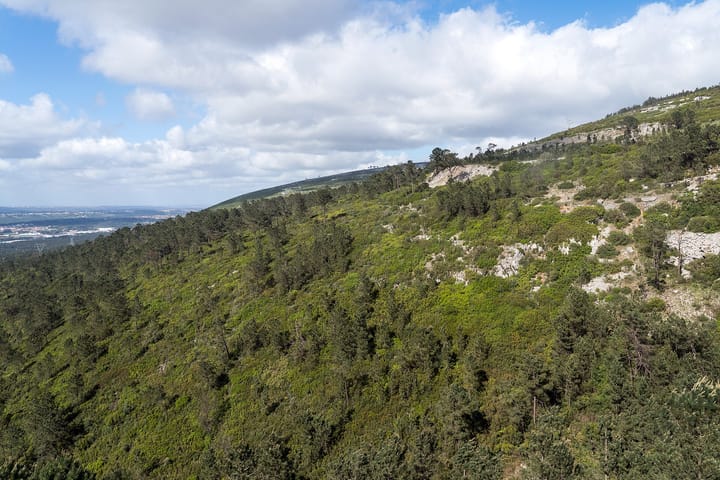
A Eurasian otter has been caught on a camera trap in Pena Park — the first confirmed record of the species in the interior of the Serra de Sintra in several decades. Parques de Sintra, which has doubled biodiversity spending to €5M this year, called it a marker of the habitat's recovering health.
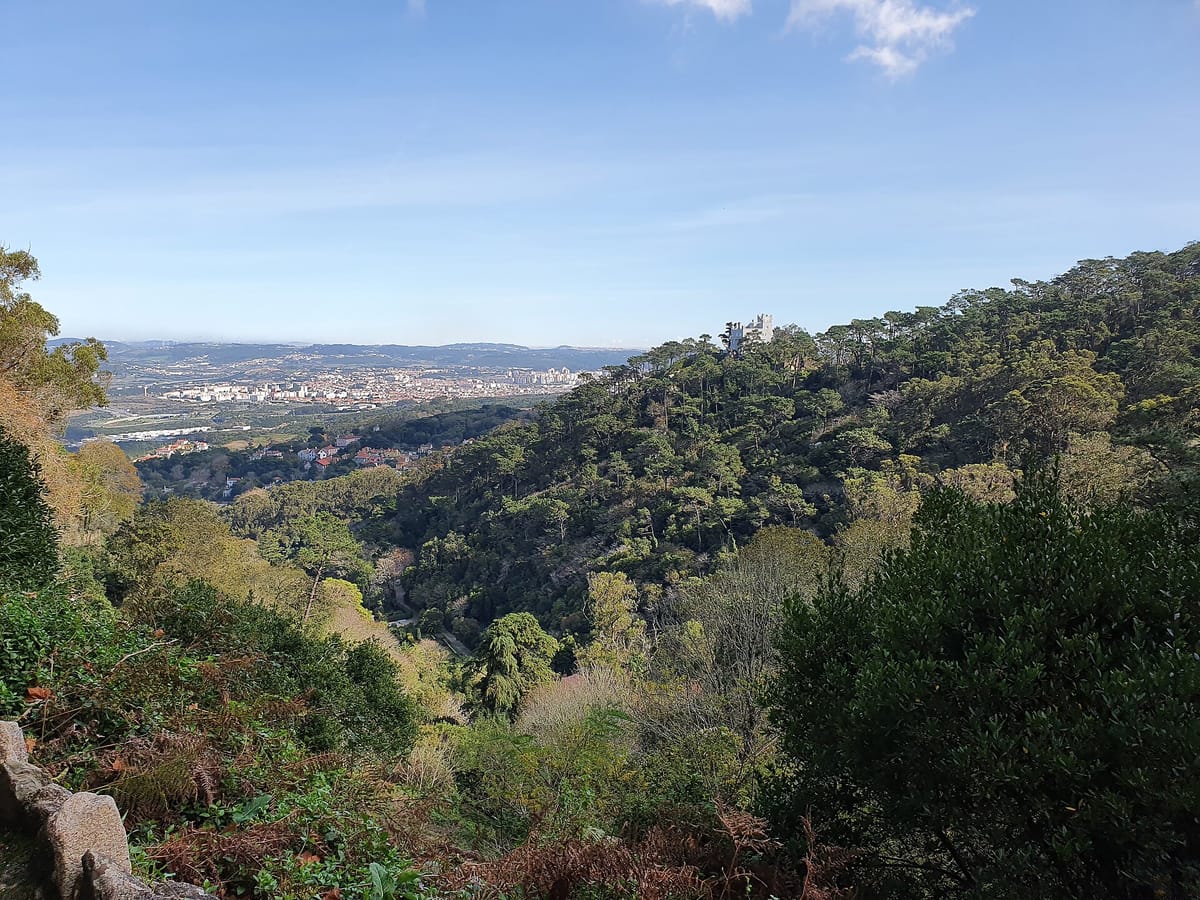
A Eurasian otter has been photographed deep in the Sintra mountains for the first time in several decades — a small, unexpected marker of recovering wildlife in one of Portugal's most heavily visited landscapes. The animal (Lutra lutra) was captured by a camera trap in Pena Park, and Parques de Sintra, the public company that manages the area's parks and monuments, called it the first confirmed record of the species in the interior of the Serra de Sintra (Sintra mountain range) in several decades.
The sighting came out of a wildlife-monitoring project that scatters motion-triggered cameras across Parques de Sintra's estates. Researchers cannot yet say whether the otter is a resident or simply passing through, but its presence at all is the point: otters need clean water and healthy prey, and they do not linger where either is missing.
A barometer for the landscape
Otters remain relatively widespread along Portugal's rivers and coastline, but they had effectively vanished from the busy, built-up heart of Sintra; their reappearance closes a decades-long gap on the local map. João Sousa Rego, who chairs Parques de Sintra, framed the find as evidence of the quality of the habitat and of the conservation of the Sintra-Cascais Cultural Landscape, a UNESCO World Heritage site. The same camera network has also recorded badgers, genets and foxes moving through the hills — a fuller mammal community than the visitors funnelled between the palaces and the coach parks ever glimpse.
Parques de Sintra says it has committed €5 million this year to climate-resilience and biodiversity work, double the figure of the previous year. Part of that is defensive: Sintra's dense, largely non-native woodland is vulnerable to summer fire, and the cooler, wetter micro-climates that an otter favours are exactly what heavier management is meant to protect.
Why it matters
Sintra is, for most people, a place of palaces and tour buses rather than wildlife. The quiet return of a water-dependent predator to its interior suggests the ecosystem underneath the tourism is in better shape than it looks — and offers a rare piece of good environmental news in a Portuguese summer otherwise dominated by heat and fire risk. It is also a reminder that conservation spending, when it is sustained, occasionally produces something you can actually photograph. On the conservation front, Rewilding Portugal's release of wild rabbits in the Côa valley aims to rebuild the prey base that Iberian lynx, wolves and eagles depend on.