Portugal Sets Aside 1 Million Euros a Year for the Iberian Lynx to 2030, and Gives Itself Until December to Design Compensation for Farmers
A new action plan for 2026 to 2030 funds the lynx with 650,000 euros a year from the Environmental Fund and 350,000 from Águas do Algarve, and orders a damage compensation scheme for farmers by 31 December.
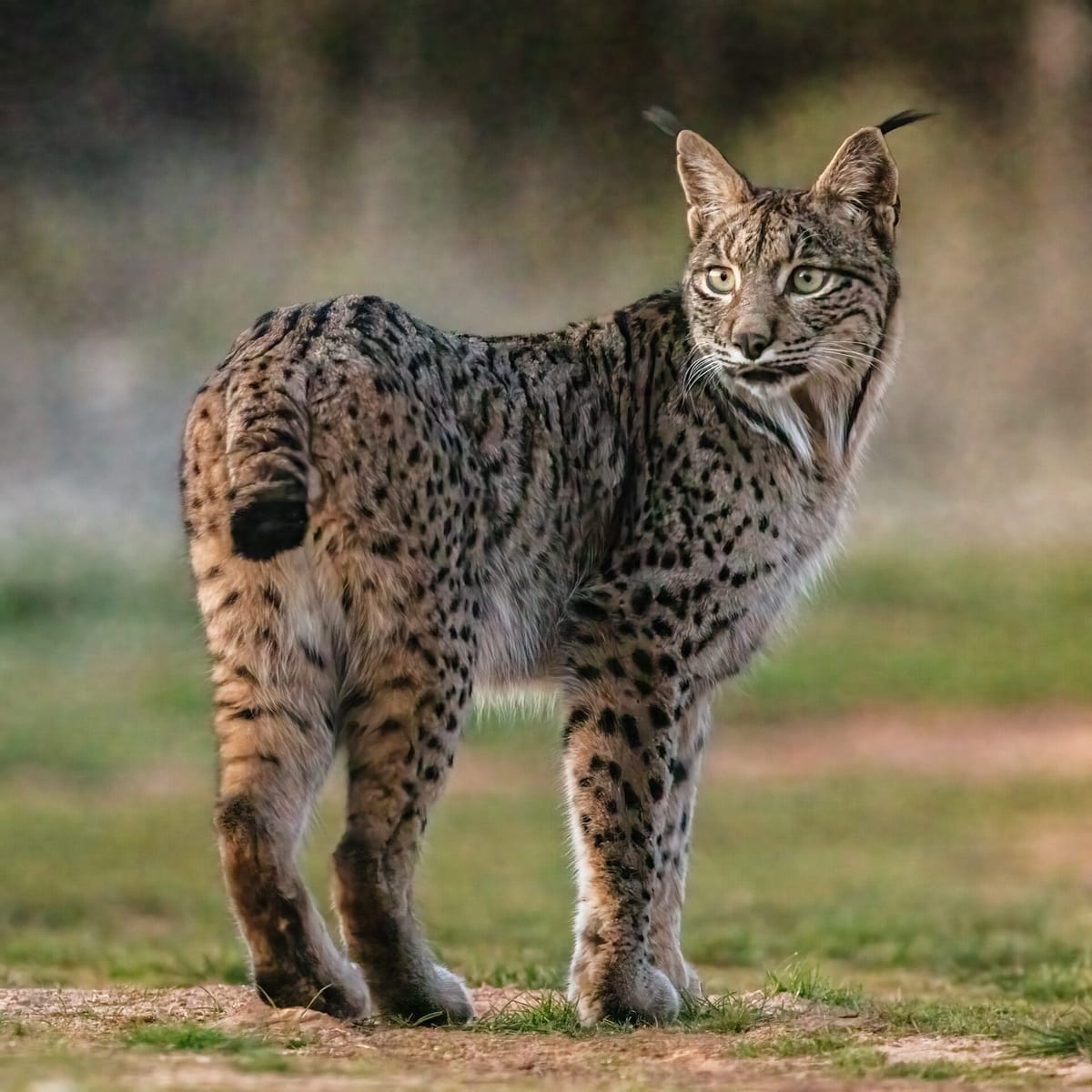
Portugal has a new five-year plan for the Iberian lynx, with 1 million euros a year to carry it out. It also sets a deadline for a scheme to compensate farmers and livestock keepers for damage the cat causes. The Plano de Ação para a Conservação do Lince-Ibérico em Portugal (Action Plan for the Conservation of the Iberian Lynx in Portugal, PACLIP 2026 to 2030) was approved by Despacho n.º 12830/2026, published in the Diário da República (the official gazette) on Wednesday 21 October. It takes effect on Thursday 22 October.
The order was signed on 12 October by the Minister of Environment and Energy, Maria da Graça Carvalho. It replaces the plan first approved in 2008 and revised in 2015. A draft was put to public consultation from 12 May to 12 June 2026.
The money
- 650,000 euros a year from the Fundo Ambiental (Environmental Fund), paid to the Instituto da Conservação da Natureza e das Florestas (Institute for Nature Conservation and Forests, ICNF), which coordinates the plan.
- 350,000 euros a year for the captive-breeding side of the programme, under a cooperation protocol that ICNF signed with the water company Águas do Algarve on 2 May 2026.
Together that comes to 1 million euros a year, or about 5 million euros over the plan's life on our arithmetic. ICNF must set up a dedicated cost centre to track every source of funding and spending. It must also report to the minister's office every six months, and run a mid-term review in the second half of 2028.
Compensation for farmers, by 31 December
The order gives ICNF until 31 December 2026 to propose a scheme of support and compensation for damage linked to the lynx's presence. The aim is to reduce conflict with landowners, farmers and livestock keepers. The Government's announcement presents the scheme as one of the new features of the order. The plan itself stresses continued work with livestock keepers, especially over damage to poultry and sheep.
The plan's annex sets the targets the scheme is meant to meet:
- "expeditious mechanisms" to compensate damage, with more than 90 percent of damage compensated each year;
- support for protecting domestic animals, such as rebuilt henhouses, fencing, livestock guard dogs and deterrents, reaching more than 90 percent of keepers who need it;
- a strategy for resolving conflicts, including the emotional side of losing animals to a predator, by the end of 2028, and a good-practice manual on protecting livestock, by the end of 2029.
The details, including who can claim, how and how much, are not in the order. They depend on the proposal due by the end of the year and on the minister approving it.
Where the lynx goes next
The plan covers the whole of mainland Portugal. Its priority is where the wild population now lives, in the Baixo Alentejo and the Algarve, together with areas where the species could spread. Among its commitments:
- Further north: ICNF and its partners are to assess the Serra da Malcata and areas of the Centro and Lisboa e Vale do Tejo regions, where the lynx once lived, as possible places for it to settle and breed. The assessment report is due by the end of 2026, with a reassessment in 2030.
- New populations: Portugal is to help create eight new population centres across the Iberian Peninsula. This includes identifying, and possibly establishing, a new reintroduction area of its own.
- Roads: the plan names road traffic as the main cause of lynx deaths not due to natural causes. It aims to keep the annual death rate from collisions below 15 percent.
- Food and habitat: the plan also aims to increase the food supply, above all the wild rabbit, the lynx's basic prey, and to improve and connect its habitat.
The plan is built around ten strategic axes, from legal protection and shared monitoring with Spain to genetics, captive breeding and research.
A species back from the brink
The order recalls that the Iberian lynx had disappeared from the wild in Portugal. Little more than a decade later, 394 animals were recorded in 2025, the figure from the latest census. In 2024 the International Union for Conservation of Nature moved the species from "Endangered" to "Vulnerable" on its Red List. The order calls its recovery one of the most significant conservation success stories in Europe.
"The recovery of the Iberian lynx is one of the best examples that it is possible to reverse the loss of biodiversity," the minister said in the Government's announcement.