
A Polluted River Costs the Leça Green Corridor Its Place Among the Finalists for Europe's Public Space Prize
The Barcelona jury dropped the 48-kilometre corridor north of Porto after learning how contaminated the Leça is. The councils that built it call the decision unfair and want it reassessed before Thursday's award.
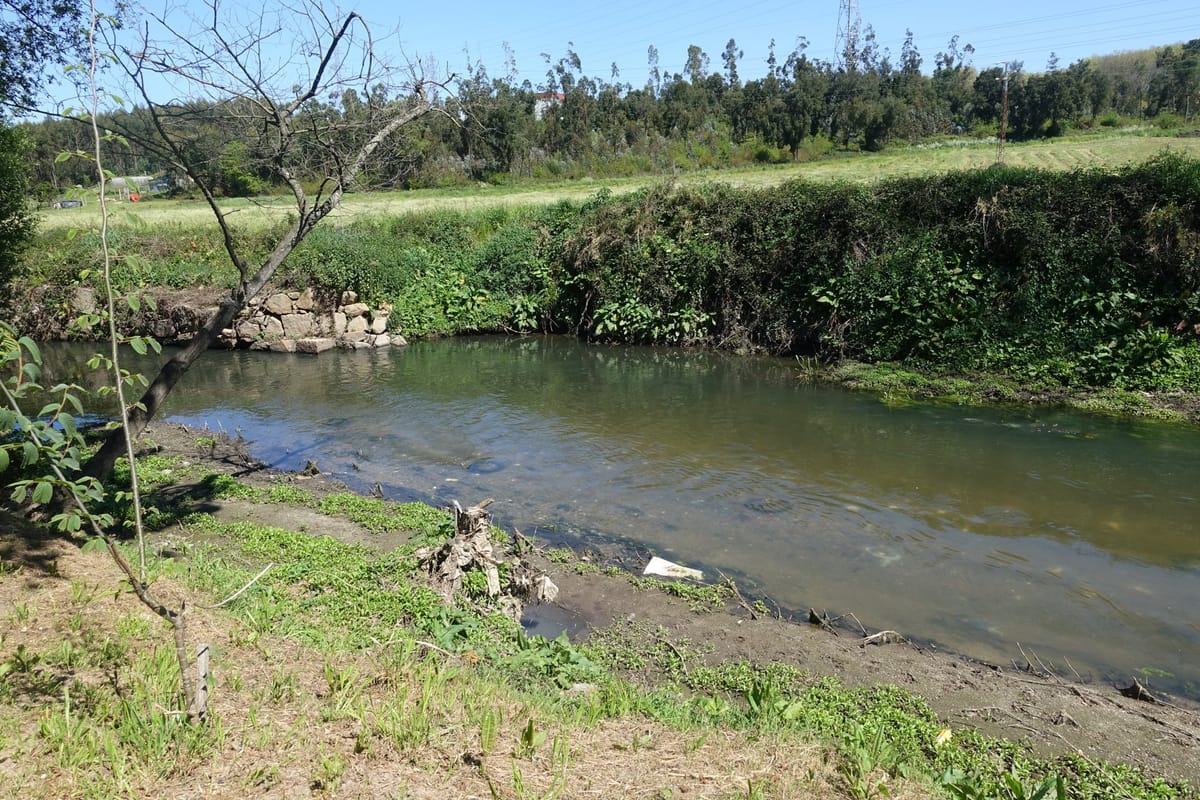
The Leça river green corridor, a 48-kilometre string of riverside paths and parks running through four municipalities north of Porto, has been taken off the shortlist for the 2026 European Prize for Urban Public Space because the river it follows is too polluted. The councils that built it are contesting the decision, four days before the winner is announced in Barcelona.
The prize, run by the Centre de Cultura Contemporània de Barcelona (CCCB), named five finalists on 9 September from 381 entries submitted from 38 countries. Its press release that day listed "The Leça river green corridor, Matosinhos", designed by the architect Laura Roldão, alongside projects in Antwerp, Barcelona, Logroño and Vicenza, and praised it as a landscape infrastructure that "connects four municipalities, promoting sustainable mobility and water management". The prize's own website now lists four finalists. The Leça project remains among the 25 shortlisted works.
Why the jury changed its mind
According to the CCCB's statement to the newspaper Público, reported on Sunday, the centre received messages from members of the public and citizens' platforms about the state of the river after the finalists were announced. It gathered more information and called an extraordinary meeting of the jury, which heard independent experts who have worked with the prize for years.
The jury, chaired by the architect Eva Prats and including the Portuguese architect Inês Lobo, concluded unanimously that the project kept the qualities it had praised, but that against the "more urgent" priority of the "extreme contamination of the river" it was "ultimately insufficient". The CCCB says the jury had not known the scale of the pollution, which it attributes to illegal discharges and obsolete wastewater treatment plants, when it chose the finalists. Its view is that a public space "cannot have quality if it is in a polluted environment".
The councils' reply
The Corredor do Rio Leça, Associação de Municípios (Leça River Corridor Association of Municipalities), which manages the corridor and the clean-up of the river basin, wrote to the jury on 6 October calling the decision "unfair, unfounded and based on wrong assumptions" and asking for the entry to be reassessed. It argues that the prize rewards the creation of public space, not river restoration, and that the corridor is the product of more than ten years of joint planning by the four councils. It says it was told of the decision only after it had been taken, and that the complaints came from social media campaigns run by "populist political movements".
The association disputes that the plants are obsolete, but it accepts that the river suffered decades of industrial and domestic discharges and that new illegal discharges "continue to appear". Its own monitoring data are not yet public, it told Público, because the series is too short for robust comparisons. The three main treatment plants in the basin are in national modernisation plans: works at Ponte de Moreira began in March, Ermesinde should start by the end of the year, and Parada is due to be rebuilt by the end of 2027. The association says it has raised 3.9 million euros of outside funding for the basin, and the steps to improve the river by 2039 are set out in a water management plan specific to the Leça.
The winner is announced at the CCCB on 15 October. The association says the jury has not answered its request.
Elsewhere in the metropolitan area, Porto is tendering a cycle route to Matosinhos. Separately, the government has put money behind reusing treated wastewater, which depends on the same kind of treatment plants.


