Porto Tenders 2.4 Million Euros for a Cycle Route to Matosinhos, and Roughly a Fifth of It Shares the Road With Cars
Nine point one kilometres from the Trindade metro station to Leça do Balio, in two lots that may go to different contractors. Bids close at midnight on 31 October.
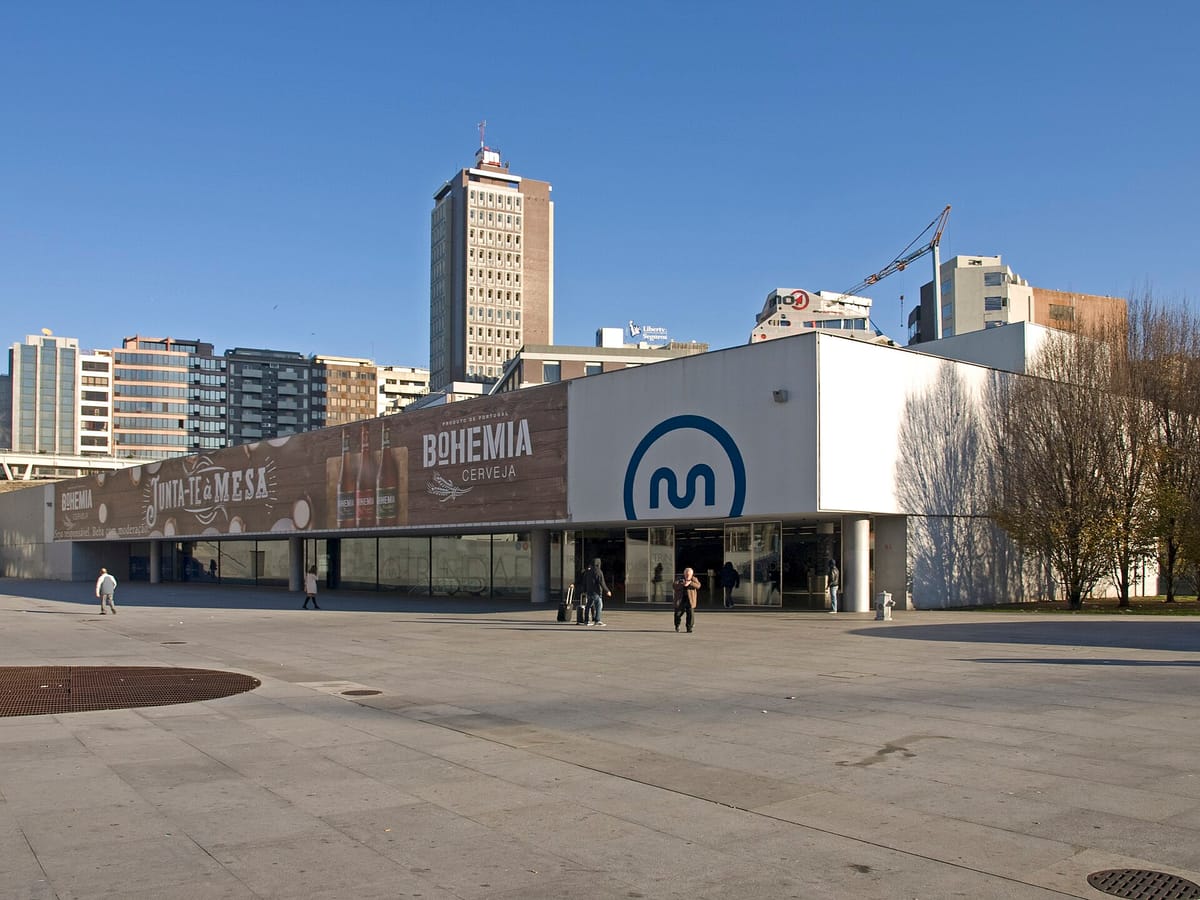
Porto city council has put a 2.4 million euro contract out to tender for a cycle route running 9.1 kilometres from the Trindade metro station, in the centre of Porto, to São Mamede de Infesta in Matosinhos. Bids must be submitted by 23:59 on 31 October 2026.
The tender was launched by GO Porto, the municipal company that manages the city's public works, in coordination with two councils run by opposing parties: Porto under the Social Democrat Pedro Duarte and Matosinhos under the Socialist Luísa Salgueiro. The stated aim is to strengthen sustainable mobility across the Área Metropolitana do Porto and to push daily bicycle use.
Where the route goes
The Porto stretch covers roughly four kilometres between the Trindade metro station and the Circunvalação, near the Hospital de São João, taking in the Jardim do Marquês de Pombal, Rua de Santa Catarina and the Asprela university campus. The Matosinhos stretch runs about 5.1 kilometres from the Circunvalação to Leça do Balio, past the ISCAP business school, the church of São Mamede de Infesta and the Mosteiro de Leça do Balio, finishing at the Corredor Verde do Leça.
The work is split into two lots, one per council, and the two lots may be awarded to different contractors. The execution period is eight months in Porto and one year in Matosinhos. Seventeen bicycle parking areas are planned along the route, twelve of them in Matosinhos and five in Porto, sited beside schools, metro stations and other public buildings. The project is a candidate for funding under the Portugal Ciclável 2030 programme, which supports connections between the cycle networks of neighbouring municipalities.
Only part of it is separated from traffic
The design is less ambitious than the headline length suggests. Of the 9.1 kilometres, about four kilometres are one-way segregated cycle track and 3.2 kilometres are two-way segregated track. On the remaining stretches, where the council says the characteristics of the space do not allow segregation, cyclists share the carriageway with cars, with additional signage and safety measures rather than a physical barrier.
That leaves roughly a fifth of the route as marked shared road. Whether that is acceptable depends on which fifth it is, and the tender documents rather than the press note are where that answer sits. It is the difference between a route a confident commuter will use and a route a parent will let a teenager ride to school.
What this means for you
- The corridor is a commuter corridor. Asprela, the Hospital de São João, ISCAP and several metro interchanges sit on the line. This is aimed at journeys to work and study, not at weekend leisure riding along the coast.
- Nothing changes soon. Bids close at the end of October, the contract then has to be awarded, and the Matosinhos lot carries a twelve-month build. Treat 2027 and beyond as the realistic horizon.
- Parking is part of the deal. Seventeen bicycle parking areas matter as much as the tarmac if you are deciding whether to buy a bike rather than keep paying for a car park.
- Two councils, two timetables. Because the lots can go to different contractors with different deadlines, one half of the route may well open before the other.
Porto and Matosinhos are already linked by heavy infrastructure, including the Alstom rolling-stock plant now being built in Matosinhos. A 2.4 million euro cycle route is small money beside that, and it is the kind of small money that changes a daily journey.