Zero Wants 300,000 Affordable Homes Built Around Metro and Train Stations, Starting With Portugal's 723,000 Empty Dwellings
The environmental association Zero calls for 150,000 empty homes brought back into use, 50,000 rehabilitated and 100,000 new public or cooperative homes, on public land within two kilometres of rail and metro stations.
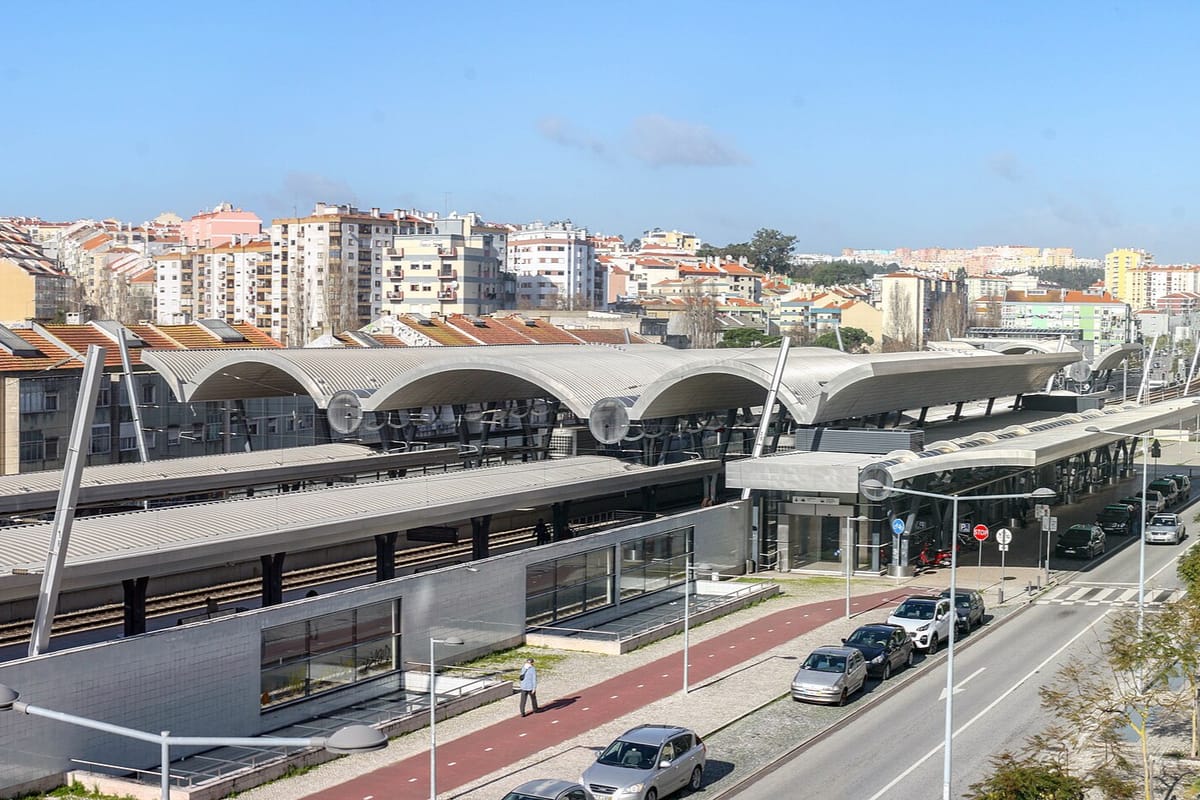
The environmental association Zero wants Portugal's answer to the housing crisis built around its rail and metro network. In a document released on Friday 13 November and reported by Lusa, it calls for 300,000 affordable, energy-efficient homes, made up of recovered empty properties and new public housing next to metro and train stations, so that cheaper homes do not push more people into long car commutes. The report, carried by Notícias ao Minuto, says the aim is to tackle the crisis "without worsening urban sprawl and car dependence".
The numbers behind the plan
Zero starts from two figures. The 2021 Census counted 723,215 vacant dwellings in Portugal. Against that, it cites Banco de Portugal data showing that home building fell about 300,000 homes short of the growth in the number of households.
Its 300,000 homes break down into three parts:
- 150,000 habitable homes that are currently empty, brought back into use;
- 50,000 homes rehabilitated;
- 100,000 new public or cooperative homes.
Land within two kilometres of a station
The vehicle Zero names is the Programa Setorial de Habitação e Mobilidade (a sectoral housing and mobility programme, which Zero places under Decreto-Lei n.º 80/2015). It says the programme should list public land within a two-kilometre radius of rail and metro stations and hubs in the metropolitan areas and other large urban areas, giving priority to buildings that can be converted and to plots that already have infrastructure. It wants the programme's strategic environmental assessment to begin in 2027.
The association wants protected land kept off limits: the Reserva Ecológica Nacional (the national ecological reserve) and the Reserva Agrícola Nacional (protected farmland). It also wants water supply and flood, fire and extreme heat risks checked first.
Near the stations, Zero suggests dense prefabricated construction in neighbourhoods with services and green space. At least 20 percent of the new homes would be set aside for public servants, allocated by income, housing need and how close they live to work.
Tax on empty homes
Zero supports the higher property tax already charged on vacant homes and wants it extended to properties advertised for sale or rent for more than 12 months. To stop owners delaying payment, it proposes a penalty of 3 percent of a property's taxable value (valor patrimonial tributário) for false statements. It also suggests suspending the higher IMI (Imposto Municipal sobre Imóveis, the annual municipal property tax) for owners "without means" who make their property available for rehabilitation and affordable renting.
To keep rents affordable for future generations, Zero says public land and buildings should stay in public hands, and cooperative homes should remain collectively owned, with rents tied to costs and limits on resale and capital gains. It wants the Government and councils to publish each year what the homes cost, how many were made available and how many are still affordable.
What it means for you
This is a proposal from a campaign group, not Government policy, and the report carried no official response. Its argument matters for renters, though: homes near a station cut transport costs as well as rent. On Thursday the IMF urged Portugal to build more homes and free up rentals, and Porto already wants owners of vacant buildings in its historic centre to pay ten times the IMI.
Zero also backs the European Citizens' Initiative "Right to Housing! Now and Forever", started by the non-profit HouseEurope!. The initiative asks for an EU register of vacant buildings, faster permits to convert them into homes and penalties for homes kept empty. Signatures can be collected until 13 September 2027.