Build More Homes and Free Up Rentals Instead of Subsidising Young Buyers, the IMF Urges Portugal
IMF officials said on Thursday that only more supply and a working rental market will tame Portugal's housing prices. Its Article IV report spells out how: faster licensing, a vacant-property tax, higher recurrent property taxes, and an end to the under-35 purchase support.
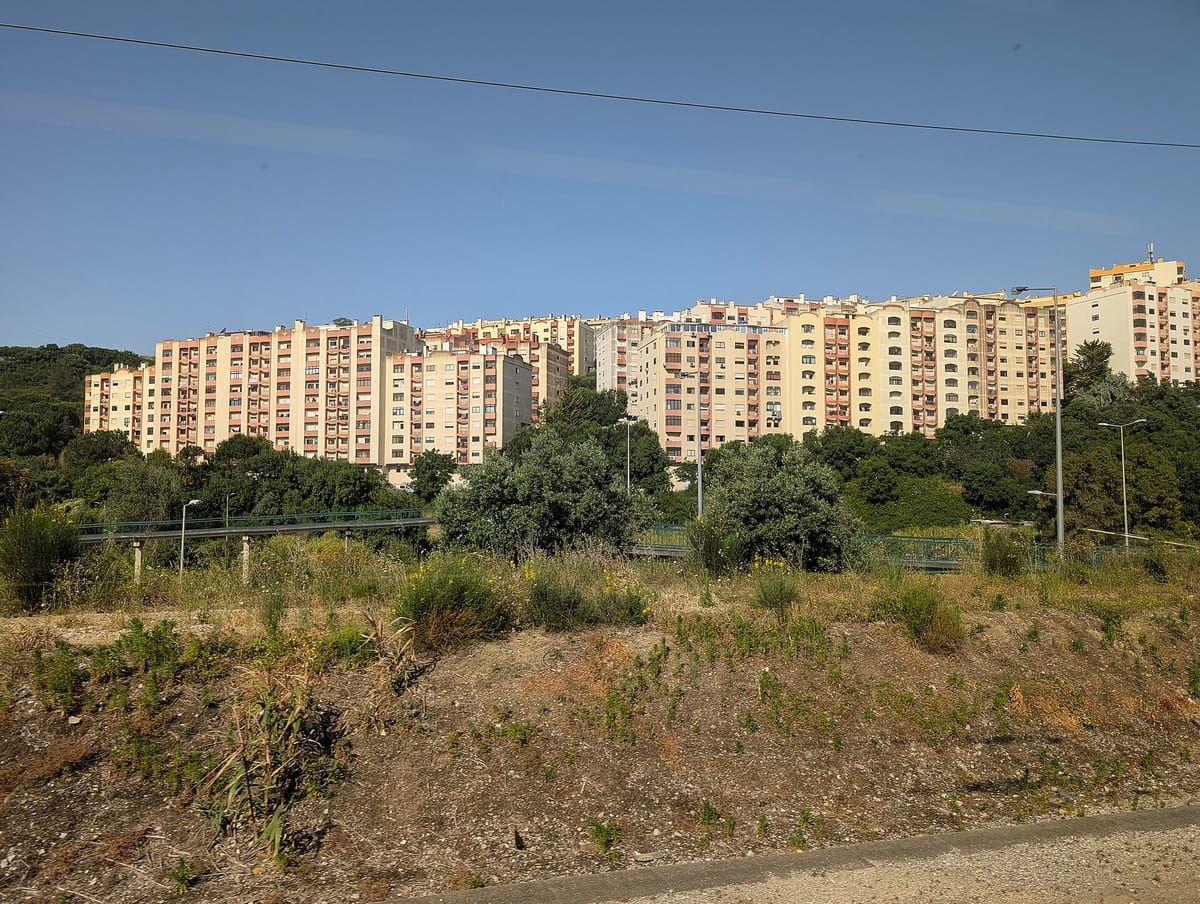
Portugal will only bring house prices under control by getting more homes built and more existing ones rented out, the International Monetary Fund (IMF) said on Thursday. "Improving housing affordability requires measures to increase supply, revitalise the rental market and, possibly, expand social housing," Mateusz Szczurek, director of the IMF's European Department, told Lusa at a meeting with European journalists in Brussels, ECO reported. He added that fixing it may need "considerable regulatory work" and will "take time" to reach prices.
Thursday's remarks were a short version of advice the Fund set out in detail in its 2026 Article IV report on Portugal, concluded by its board on 24 June.
What the IMF is asking for
- Faster building. Ease licensing, permitting, zoning and land-use rules. The IMF welcomes the government's plans to cut the number of permits, shorten approval deadlines and widen tacit approval, and wants them speeded up, with councils cutting red tape too.
- Empty homes back in use. Push owners of empty buildings and short-term rentals to sell or let long term, backed by an effective tax on vacant property. In 2021, 19 percent of dwellings were holiday homes and 12 percent were empty.
- A rebalanced property tax. Cuts to taxes on property purchases should be matched by higher recurring property taxes, to encourage owners to sell underused homes and downsize.
- Safer letting for landlords. Unpaid-rent insurance and faster court procedures, so more owners are willing to rent.
- More social housing and better-targeted housing allowances. Portugal's social housing stock is among the smallest in the OECD.
The Fund also wants "misdirected" demand support reversed. Preliminary IMF estimates suggest the public guarantee that lets under-35s borrow the full price of a first home, and their exemption from transfer tax and stamp duty, have likely pushed prices up without a significant rise in sales. Loans above 90 percent of the home's value rose from almost none in 2024 to 19 percent of new mortgages in 2025. It also expects the VAT cut on construction to raise builders' margins more than the number of homes built.
Why renters feel it most
House prices at the end of 2025 were 180 percent above their 2015 level, against 56 percent in the euro area. About 13 percent of people rent (23 percent in the euro area), and older contracts with strict rent caps keep homes off the market, pushing up rents for new tenants, the IMF says. In 2024, 30.3 percent of renters spent more than 40 percent of their disposable income on housing, against 18.6 percent in the euro area. The median rent on a new lease in 2025 was 830 euros a month nationally and 1,330 euros in Lisbon. Eurostat data show the same squeeze: house prices have outpaced incomes far faster here than across the EU.
The public accounts
On Thursday, deputy director Helge Berger called the performance of Portugal's public accounts over the last three years "exceptionally positive", Lusa reported. The Fund's June growth and budget forecasts are in our report on the Article IV conclusions; the same report asks for the fuel tax cut to be replaced with targeted help for lower-income households.
What it means for you
IMF advice is not binding. If you rent, the Fund's own officials warn that supply measures take time to reach prices. If you are under 35 and counting on the first-home guarantee, it is worth knowing that the IMF wants that support wound back; that is a recommendation, not a decision.