Vodafone Portugal Turns to AST SpaceMobile to Beam Satellite Signal Straight to Everyday Phones by 2027
The operator says it will be the first in Portugal to offer direct-to-smartphone satellite calls, texts and data, promising coverage in the dead zones where masts do not reach.
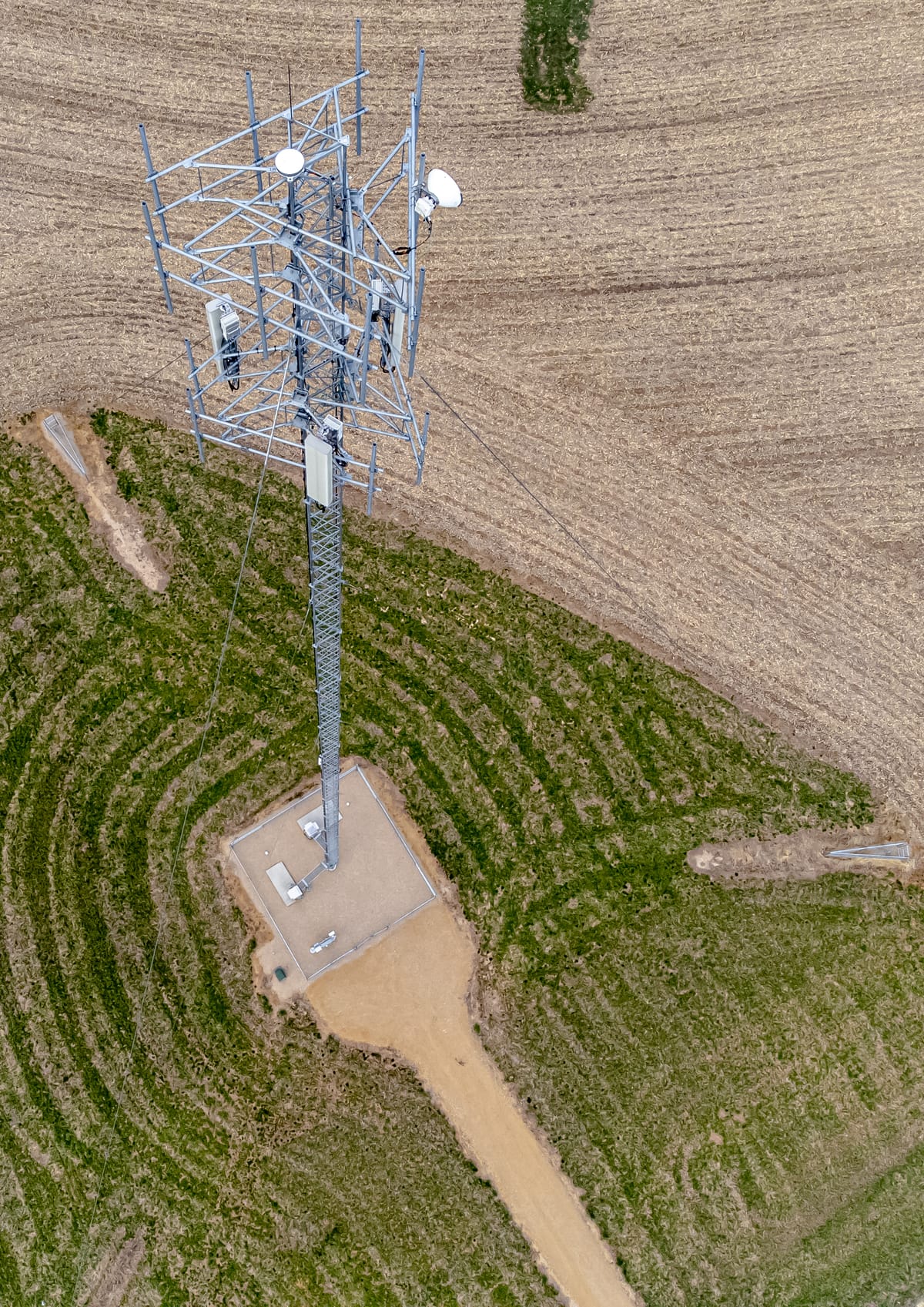
The mobile blank spots on Portugal's map may be numbered. Vodafone Portugal said on Tuesday it will launch commercial satellite mobile connectivity by the end of 2027, letting ordinary smartphones make calls, send messages and reach the internet from anywhere in the country — no special handset, no external antenna, no dish.
The service leans on AST SpaceMobile, the US satellite operator whose spacecraft act as cell towers in orbit. Working through a joint venture, Satellite Connect Europe, the system picks up a standard 4G or 5G signal from a phone, relays it via satellite to a ground station, and hands it back to the terrestrial network. Because the satellites speak the same language as an ordinary mast, the phone in a user's pocket does not need to change.
Filling the gaps the grid leaves
Vodafone is pitching the technology squarely at coverage holes: the sparsely populated interior, mountain and coastal stretches where building a mast makes little commercial sense, and the moments when the ordinary network fails. The company singled out emergency communications during storms and power cuts — a pointed reference in a country still rattled by the April 2025 blackout that knocked out payments, transport and phones across the Iberian Peninsula for hours.
Chief executive Luis Lopes framed the move in national-resilience terms, saying satellite reach "contributes to solidifying national security, opening the way to universal connectivity." The plan is for a soft launch once Vodafone secures the necessary spectrum authorisations from the regulator.
First mover in a crowded sky
Vodafone says it will be the first operator in Portugal to offer direct-to-device satellite service. The claim carries weight given the competition: Starlink, Elon Musk's constellation, has rolled out a rival direct-to-phone product elsewhere but has not brought it to Portugal, and no near-term launch is on its schedule.
Satellite links are already creeping into Portuguese daily life at the edges. State railway CP (Comboios de Portugal) has been piloting Starlink Wi-Fi aboard Alfa Pendular trainsets to plug the mobile dead zones along the tracks. Vodafone's plan is more ambitious: rather than wiring up a single train or building, it aims to blanket the whole territory for any compatible phone.
The catch: spectrum and timing
The 2027 target is a runway, not a switch. AST SpaceMobile is still scaling its constellation, and commercial service depends on regulatory clearance for the frequencies involved — the same spectrum questions that have kept Vodafone, MEO and NOS locked in a separate tug-of-war with regulator Anacom (Autoridade Nacional de Comunicações) over licence renewals. Data speeds over satellite will also trail a good terrestrial connection, making the service a safety net for the unreachable rather than a replacement for fibre or 5G.
Still, for the villages, trails and stretches of coast where a bar of signal has never been guaranteed, the promise is simple: keep the phone you already own, and it will find the sky.