Ticks Turn Up Again in a Vila Real Hospital Inpatient Area, Forcing a Second Disinfestation and the Rebooking of Some Planned Operations
Patients were moved to another wing again as the Trás-os-Montes health unit disinfested an inpatient area in Vila Real. No patient was affected, it says, but planned operations face delays. What patients should know, and how to deal with ticks.
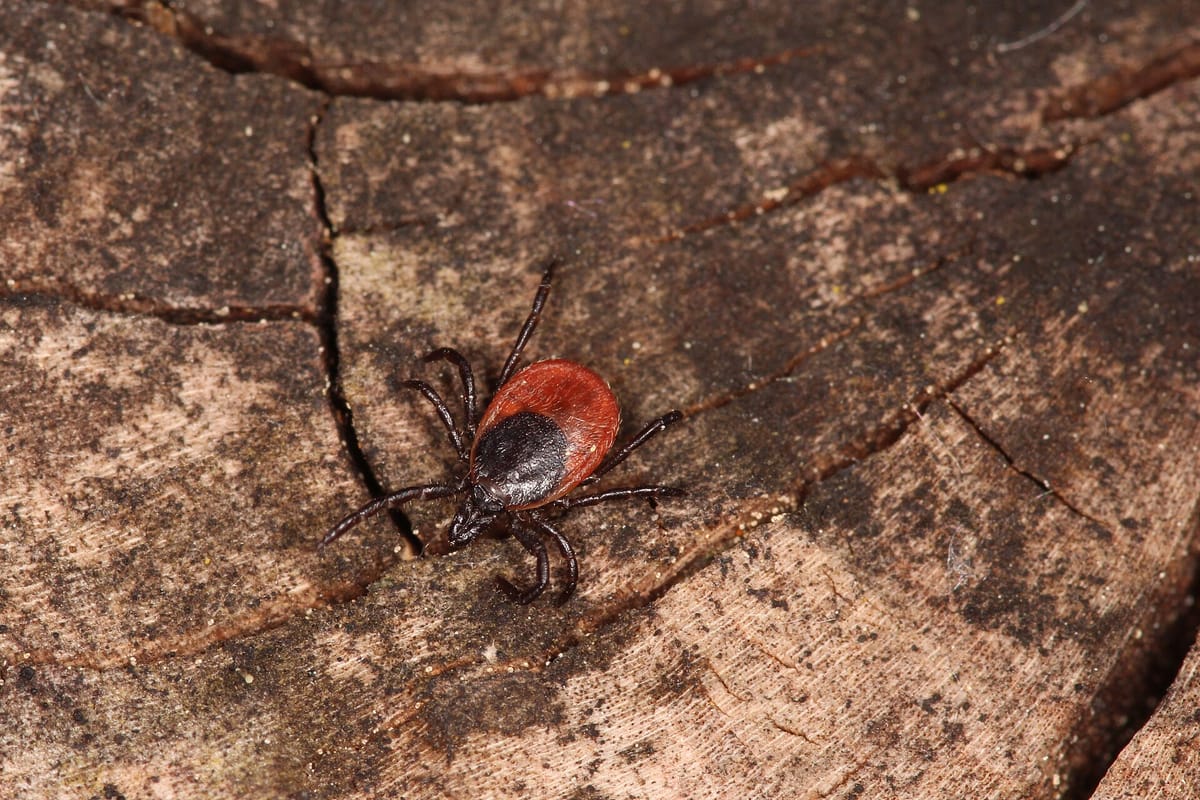
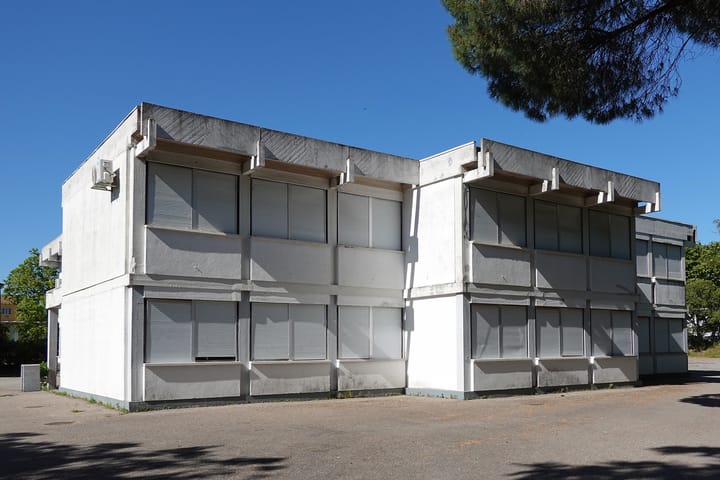
Ticks have been found for a second time this month in an inpatient area of the hospital in Vila Real, and patients have again been moved to another wing while the space is disinfested. The Unidade Local de Saúde de Trás-os-Montes e Alto Douro (ULSTMAD), which runs the hospital, said in a written reply to Lusa on Monday 26 October that "no patients affected by this occurrence were identified", but that some planned surgery is being disrupted, Observador reported.
What happened
According to the ULSTMAD statement carried by Lusa, the first detection came at the beginning of October. A first disinfestation was carried out, "after which the problem appeared to be resolved". A new, small cluster of ticks was then identified, and the health unit decided on a second disinfestation, together with "a new temporary transfer of patients to another wing", to keep care going in safe conditions.
The hospital has not said publicly which ward is affected, how many patients were moved or how the ticks got in. Nothing about the incident had been posted on the ULSTMAD news page by Tuesday morning.
What it means for patients
- Urgent and emergency operations are going ahead. Planned (scheduled) operations face "some constraints", and the ULS says these will be rebooked as soon as possible.
- If your planned surgery is in Vila Real, it is worth checking with the hospital before you travel. ULSTMAD takes questions through its contact form.
- If you are unhappy with how a cancellation was handled, you can complain to the hospital or to the health regulator, the ERS; we explained how to complain earlier this month.
The ULS said it is monitoring the situation, will take further measures if needed, and that the safety and wellbeing of patients and staff is its priority.
Ticks and disease in Portugal
Ticks are not unusual in Portugal, and they are watched by REVIVE, the national vector surveillance network run by the Instituto Nacional de Saúde Doutor Ricardo Jorge (INSA). Its 2025 report (Portuguese only) records 6,612 ticks collected in 242 municipalities. Of 1,766 tested, 2.3 percent carried Borrelia, the bacteria behind Lyme disease, and 19.7 percent carried Rickettsia, which includes the agent of Mediterranean spotted fever (febre da carraça). All 143 Hyalomma ticks tested for Crimean-Congo haemorrhagic fever virus were negative.
INSA's public leaflet on ticks (Portuguese only) says tick fever and Lyme disease are the most common tick-borne diseases in Portugal, that both can be treated with antibiotics, and that ticks are active all year. Its advice:
- Remove an attached tick as soon as possible with fine-tipped tweezers or a tick remover, gripping it as close to the skin as you can and pulling firmly.
- Clean the bite with water and disinfectant and check the spot daily.
- If you develop flu-like symptoms (fever, tiredness, headache) or a red rash within 30 days of a bite, contact your doctor or call SNS 24 on 808 24 24 24, and mention the tick.
- Outdoors, keep to clear paths, wear light-coloured long sleeves and trousers tucked into socks, use repellent, and check children and pets when you get home.
Ticks are one of several disease vectors the surveillance network follows; the same programme tracks the tiger mosquito, which reached Braga and Amares, as we reported earlier this month.