Portugal Is Asked to Release More Emergency Diesel After Completing Its Two Million Barrel Share, and Analysts Warn the Reserve Is Thin
The IEA wants members to weigh extra diesel releases from emergency stocks. Portugal, which has completed its March share of about two million barrels, says it will reflect once every country has finished, and analysts warn the cushion is thin.
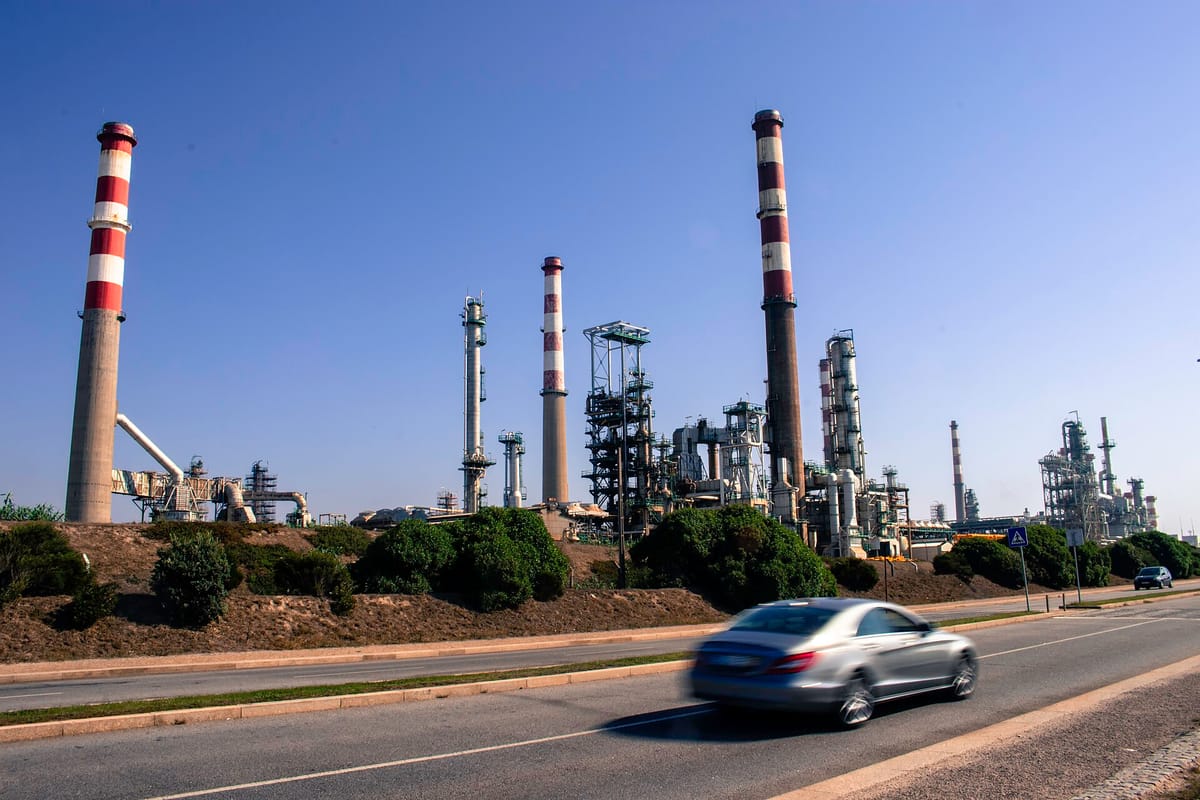
Portugal has finished releasing its share of the oil stocks pledged in March, the two million barrels promised under the International Energy Agency's (IEA) emergency action, and is now being asked whether it will release more diesel. Analysts consulted by ECO on Tuesday back a second, diesel-focused release but warn that it would thin an emergency cushion that is already unusually small.
What the IEA is asking for
The IEA's 32 members agreed on 11 March to put 400 million barrels on the market after the Strait of Hormuz crisis began. By its Governing Board meeting of 15 October, about 330 million had been released. The board agreed to speed up the remaining 100 million or so, including more than 20 million barrels of diesel "as soon as possible", and noted that some members had released more than they first pledged.
Diesel is the pressure point. In a letter to members on 11 October, Executive Director Fatih Birol asked every country, including those that had completed their pledges, to assess whether additional diesel releases are necessary and, if so, to set out their scale and timing. After a meeting on 7 October, the agency said member governments still held about 1.1 billion barrels of public emergency stocks, more than 200 million of them diesel.
Where Portugal stands
Prime Minister Luís Montenegro said in March that Portugal would release, "in principle", 10 percent of its strategic reserves, about two million barrels, Observador reported. According to ECO on 15 October, that release is complete. The government says it is open to a "reflection" on a further diesel release, but only once every country has delivered the first phase. No new Portuguese release has been announced.
The legal floor is set by Decreto-Lei n.º 165/2013: national security stocks must equal at least 90 days of the previous year's average daily net imports. In April, the president of the national energy sector body ENSE, Alexandre Fernandes, said Portugal had cut its stocks from about 92 days to about 82 "so as not to put so much pressure on the price" (ECO, 14 April).
The critics' case
Anise Ganbold of Aurora Energy Research told ECO that "every barrel released from now on reduces the emergency cushion for a future disruption". Frederick Fisher of Allianz Global Investors said existing reserves are lower than at any time in four decades. Paulo Rosa, senior economist at Banco Carregosa, said refilling the stocks could take longer and cost more if prices stay high.
What it means at the pump
Do not expect a release to bring prices down noticeably. The analysts told ECO that the March action helped to check crude prices but that its effect on diesel was "less uniform", with refining margins at record levels and transport costs high. What moves Portuguese pump prices week to week is still the market and the fuel-tax discount, which runs until 31 December; this week's change trimmed the petrol discount. ENSE's website keeps the oil sector at a watch level: it considers the chance of a real supply threat low but under continuous monitoring. For the future of the Sines refinery, see our report on Galp keeping Sines.