The University of Leiria Builds an AI-and-Drone Sentinel to Catch Wildfires at the First Spark
Researchers at the University of Leiria and the West have unveiled DBoidS, an FCT-funded system pairing self-charging drones with AI and a 'digital twin' to watch high-risk forest around the clock and flag ignitions early. It is being tested with the GNR.
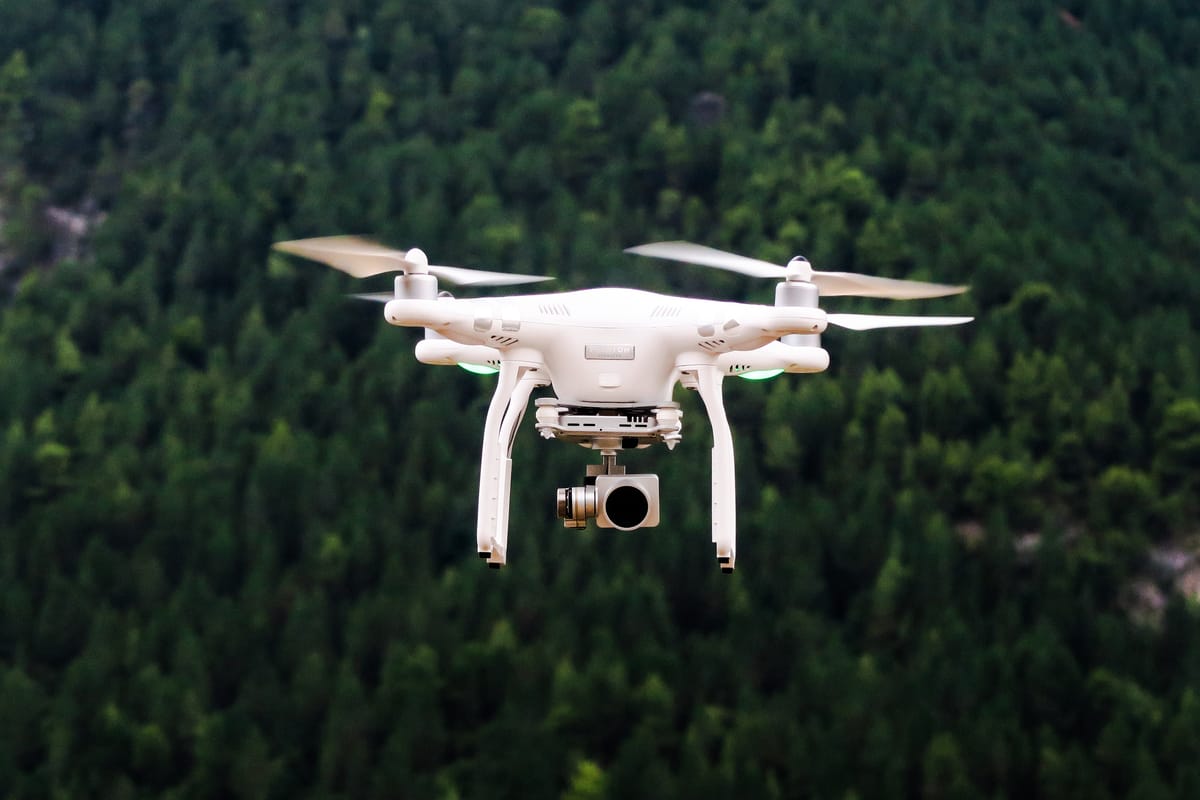
As another fire season grips central Portugal, researchers in Leiria have built a machine designed to spot a blaze at the first wisp of smoke. A team at the Universidade de Leiria e Oeste (University of Leiria and the West), the region's former polytechnic, has unveiled an autonomous system that pairs drones with artificial intelligence to keep high-risk forest under permanent watch — and to alert the authorities before a spark becomes a wildfire.
Drones that never clock off
The project, named DBoidS (Digital Twins and Boids System for Fire Prevention) and funded by the Fundação para a Ciência e a Tecnologia (Foundation for Science and Technology), combines several technologies. Latest-generation drones patrol a monitored area while an "intelligent dock" lets them land, recharge and take off again on their own; as one aircraft returns to charge, another lifts off, giving continuous coverage without a human at the controls. The data they gather feeds an AI system and a "digital twin" — a live virtual model of the terrain — that flags likely ignition points and offers real-time decision support.
"The idea is to turn research technology into permanent, autonomous surveillance," said Professor António Pereira, the project's lead researcher. A prototype was shown in June 2025; the fully autonomous version was presented on 30 July.
Working with the GNR
The team has been testing the system in partnership with the Comando Territorial de Leiria of the Guarda Nacional Republicana (National Republican Guard, or GNR). Paulo Sousa, who heads the GNR's environmental protection arm, SEPNA, said the technology could complement resources already in the field rather than replace them — extra eyes over ground that is hard to watch and expensive to patrol. Full operational deployment still depends on meeting the necessary conditions.
The choice of Leiria is pointed. The district sits at the heart of a landscape scarred by the fires of 2017, the deadliest in Portugal's modern history, and the region has lived with the threat of fast-moving summer blazes ever since. A system that can watch the tree line around the clock speaks directly to that memory.
Prevention over reaction
Portugal spends heavily each summer fighting fires once they are burning; the harder problem is catching them in the minutes after ignition, when a small flame is still containable. By combining cheap, tireless drones with software that can tell smoke from shadow, the Leiria researchers are betting that early detection — not just faster firefighting — is where technology can make the biggest difference. Whether the tool moves from campus to countryside will depend on funding and on the GNR's appetite to fold it into the national fire-watch effort.