The State Hands 21 Empty Public Buildings to 16 Towns, Turning a Porto Nightclub and an Évora Seed Factory Into New Venues
On 21 July the State transferred 21 properties to 16 municipalities, tied to some €16 million of rehabilitation, for social housing, museums, tourism and sport. A Porto nightclub becomes a sports hall and an Évora seed factory an urban-art museum. Since 2024: 95 properties, €80 million.
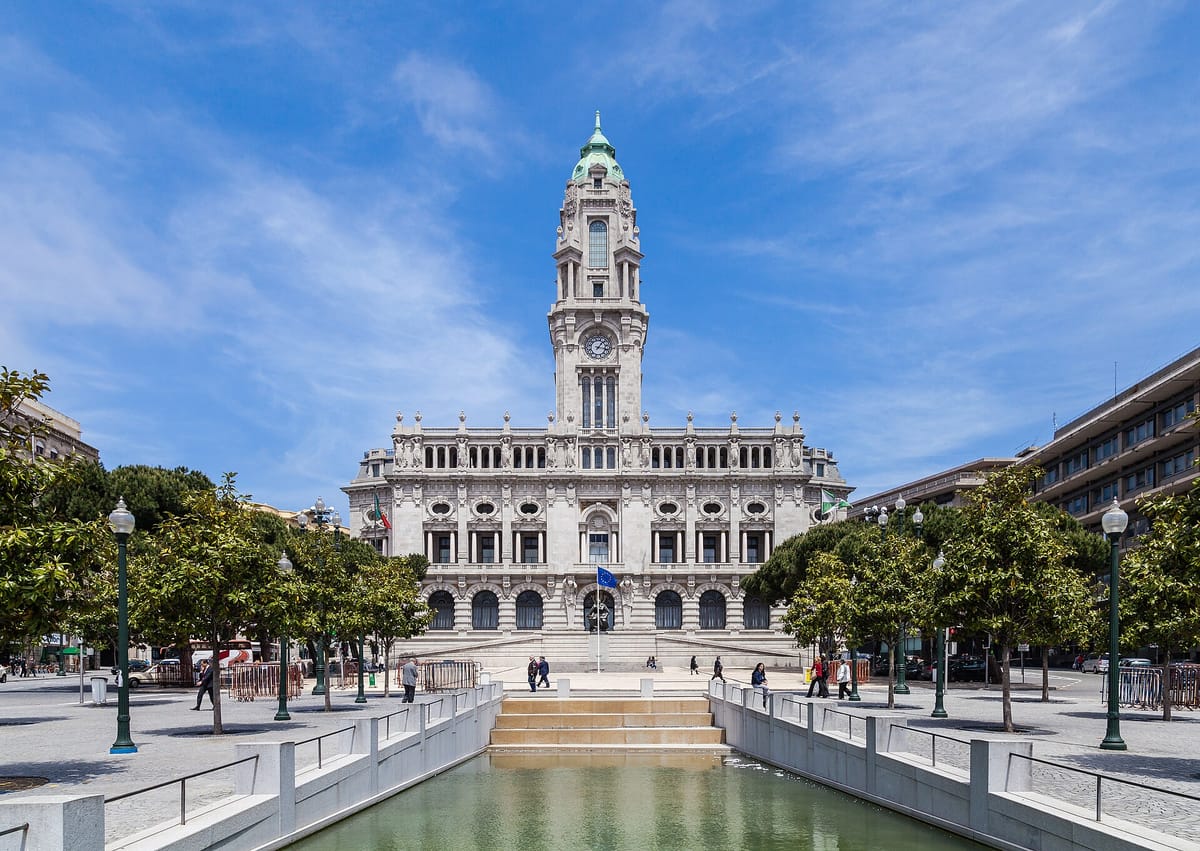
A former Porto nightclub is set to become a sports hall, and a disused seed factory in Évora an urban-art museum, as the Portuguese State hands another batch of empty public buildings to the towns that will bring them back to life. On 21 July the government transferred 21 properties to 16 municipalities, from Viana do Castelo in the far north to Évora in the Alentejo, tied to some €16 million of planned rehabilitation.
The handovers are the latest tranche of a programme, run through the State property company Estamo, that has been quietly redistributing unused public real estate to local councils since late 2024. The idea is simple: buildings the central State no longer needs are of little value sitting shuttered, but can anchor a housing scheme, a cultural venue or a sports facility once a municipality takes them on.
What the buildings will become
The intended uses span social housing, museum and cultural space, tourist accommodation and sports facilities. Two projects give the flavour. In Porto, the former “Kasa da Praia” nightclub is earmarked to become a sports facility, with around €3 million behind it. In Évora, a former EPAC seed-processing factory is to be converted into an urban-art museum in a project valued at some €8.5 million.
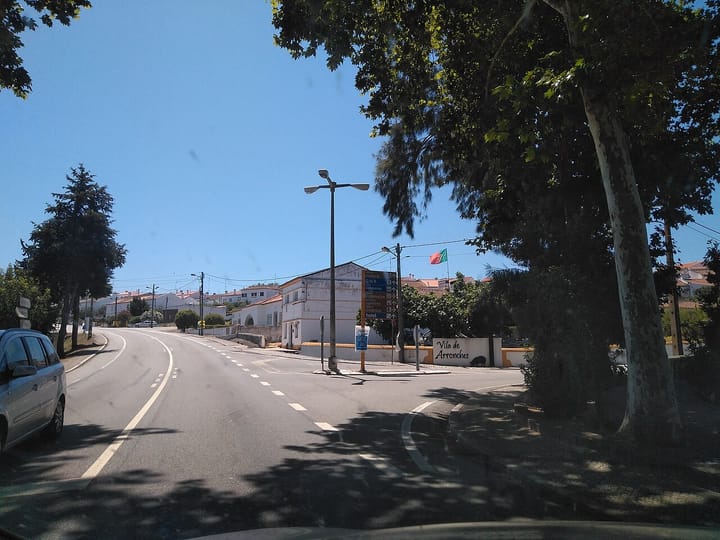
The remaining municipalities receiving properties in this round stretch across the interior and the north — among them Chaves, Guarda, Viseu, Arouca, Montalegre, Ponte da Barca, Arcos de Valdevez, Castelo de Paiva, Carregal do Sal, Ansião, Arronches, Moimenta da Beira and Vila Pouca de Aguiar — a spread that leans deliberately towards the lower-density parts of the country where a single reclaimed building can make an outsized difference.
A programme adding up
Taken alone, 21 buildings is a modest headline. Cumulatively the programme is starting to register. Since 7 October 2024, the State has signed 71 agreements with 64 municipalities, transferring 95 properties and mobilising around €80 million in rehabilitation and recovery investment. The effort was set out by Miguel Pinto Luz, Minister for Infrastructure and Housing, alongside Estamo board president Ricardo Sousa, Porto mayor Pedro Duarte and the Secretary of State for the Treasury and Finance, João Silva Lopes.
Why it matters to residents
For anyone tracking Portugal's housing squeeze, the social-housing component is the piece to watch: converting State-owned buildings the councils already control is one of the few routes to new affordable stock that sidesteps the cost and delay of buying land on the open market. It will not move national numbers on its own, but every unit delivered this way is one that did not have to compete with private buyers.
For residents of the smaller towns on the list, the more visible change may be cultural and civic — a museum, a sports hall, a refurbished landmark that had stood empty for years. The test, as ever with these schemes, is execution: the properties are transferred and the budgets announced, but the €16 million only counts once the works are done and the doors reopen.