
The Patriarch's Blessing at a New Cascais State School Broke the Law, Portugal's Religious Freedom Commission Concludes
The commission says the Catholic blessing at the 21 September opening, attended by Seguro and Montenegro, broke the rule that official acts are non-confessional. It is an advisory body: its finding carries weight but no penalty.
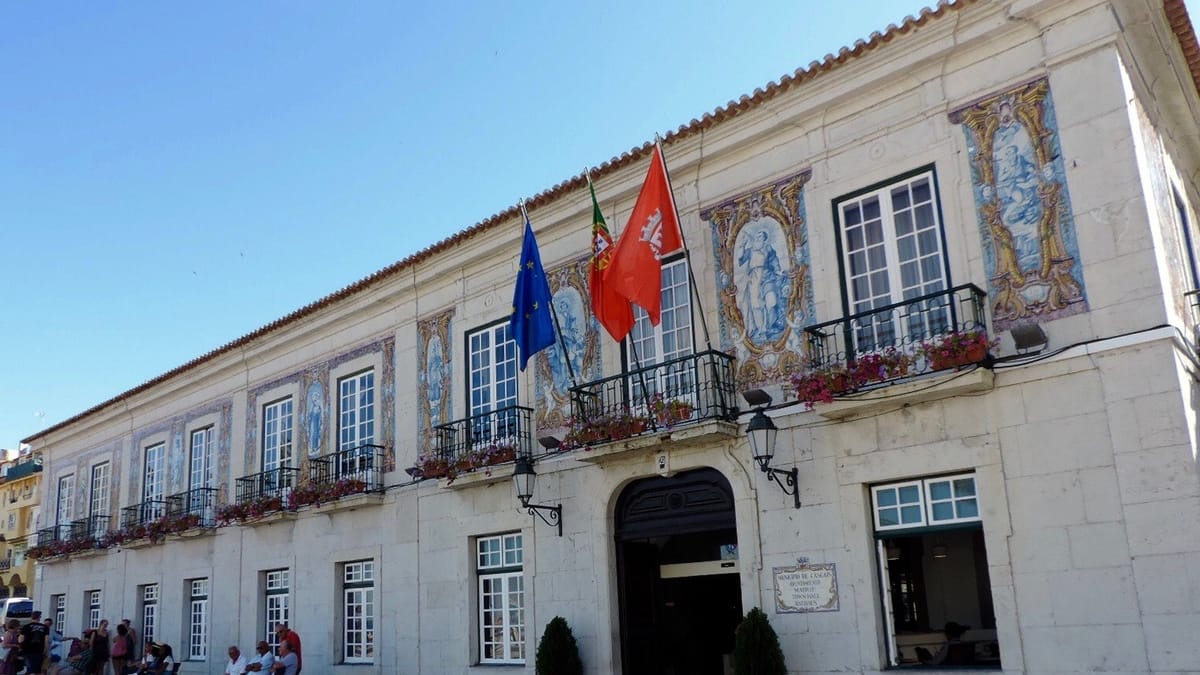
The Comissão da Liberdade Religiosa (Religious Freedom Commission) has concluded that the Catholic blessing given at the opening of the new Escola Secundária de Cascais (Cascais Secondary School) "clearly violates" the Lei da Liberdade Religiosa (Religious Freedom Act), Expresso and Público reported on Saturday. The ceremony, on Monday 21 September, was attended by President António José Seguro, Prime Minister Luís Montenegro and Education Minister Fernando Alexandre.
According to the official accounts of the day from the Presidency and from Cascais council, the event began with the unveiling of the inaugural plaque and a blessing by the Patriarch of Lisbon, Rui Valério. The school, which had worked from temporary buildings since 1975, moved into a new building that the council says cost more than 32 million euros, with co-funding from the EU recovery plan. We previewed the opening here.
What the commission found
The commission's finding rests on article 4(2) of the act, which says that "in official acts and in State protocol, the principle of non-confessionality shall be respected," Público reported. The commission's statement had not been posted on an official website by Saturday evening, so its full reasoning, and whether it makes any recommendation, is not yet public.
Two days after the opening, on 23 September, the Associação República e Laicidade (Republic and Secularism Association) wrote to the commission's chairman, José Vera Jardim, to the Prosecutor General, Amadeu Guerra, and to the Ombudsman, Luísa Neto, Lusa reported. It argued that the council had made an official ceremony confessional, that teachers and staff had apparently been called to attend and pupils were present, and that the non-confessional character of state education had been breached. Asked by Lusa at the time, Cascais council said it would not comment on the letters.
What the law says
Lei n.º 16/2001 sets out three principles that bear on the case. Article 3 says churches and religious communities are separate from the State. Article 4 says the State adopts no religion, must respect non-confessionality in official acts and protocol, may not shape education by religious guidelines, and that "public education shall not be confessional." The Constitution says the same in article 41(4), on the separation of churches and State, and article 43(3), on state schooling.
The act also creates the commission itself. Article 52 describes it as an independent consultative body of parliament and the Government, and articles 53 and 54 give it powers of study, information, opinion and proposal. Nothing in the act lets it fine anyone, annul an act or order a remedy. Its finding carries weight as an opinion, but it is not a court ruling and it imposes no penalty on the council, the Patriarchate or the officials who attended.
What comes next
No response from the Presidency, the Prime Minister's office, the Government or Cascais council to the commission's finding had been published by Saturday evening. Nor has the Prosecutor General's office or the Ombudsman said whether they will act on the association's letters. Any change in practice at future official openings would rest with the bodies that organise them.


