The Government Waives Farmland Protection for a €3.2 Million Rural Hotel in Amarante, Citing Public Interest
The Ministry of the Economy has declared a four-star rural hotel in Amarante to be in the public interest, unlocking almost 1.5 hectares of protected National Agricultural Reserve land — the latest in a pattern of farmland waivers for tourism projects.
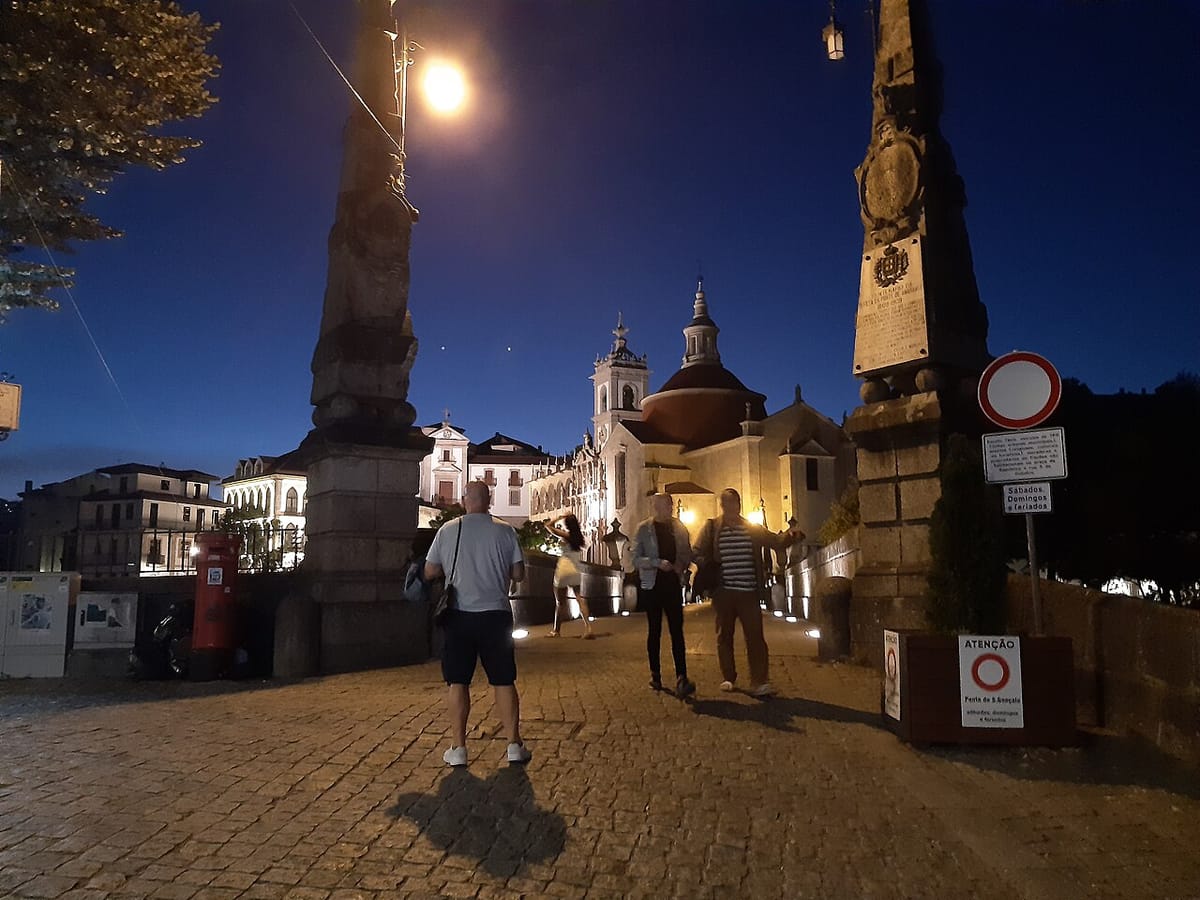
The Portuguese government has cleared the way for a four-star hotel to be built on legally protected farmland in Amarante, in the northern district of Porto, by declaring the project to be in the public interest. The decision, reported on 14 August by Diário de Notícias via the wire service Lusa, lets a developer take almost 1.5 hectares of land out of the National Agricultural Reserve — the tier of soil the state normally shields from any non-farming use.
A quinta becomes a hotel
The Ministry of the Economy (Ministério da Economia) signed a ministerial order, published in the official gazette (Diário da República), recognising the "relevant public interest" of converting 14,733 square metres of National Agricultural Reserve land (Reserva Agrícola Nacional, RAN) to non-agricultural use. The project sits on the Quinta Solar da Pousada, a roughly 12.8-hectare wine-and-brandy estate in the parish of Fregim, and is promoted by a company named Scof II Investments.
The plan, worth about €3.2 million, would turn the estate's manor house and outbuildings into a rural hotel of 65 beds across 19 units — suites in the main solar, plus houses and apartments in the annexes — with a restaurant, bar, events space and pool. The developer says the estate would keep its vineyards, olive grove and agricultural character, and the conversion would create five permanent jobs. All of these figures come from the single Lusa dispatch, which draws on the government order itself.
How "public interest" unlocks protected land
National Agricultural Reserve land is reserved by law for farming, and building on it is normally forbidden. The lock can be released only when a minister formally declares a project to be of "relevant public interest" (relevante interesse público) — a finding that, once published, lets construction proceed on soil that would otherwise be off-limits. In this case the Ministry of the Economy leaned on favourable opinions from the National Agricultural Reserve Authority, which signed off unanimously; from Turismo de Portugal, the national tourism authority, which praised the project's use of a heritage property; and from the Northern Regional Coordination and Development Commission (CCDR-N), which cited jobs and regional development. Notably, CCDR-N also classified the soil as class B — good-quality farmland suited to moderately intensive agriculture.
A pattern of farmland waivers
The Amarante approval is not a one-off. In April, the government made the same "relevant public interest" finding to allow an equestrian training centre on some 228,600 square metres of reserve land at Vilamoura in the Algarve, a roughly €20 million project — a case reported by ECO that shows the mechanism being used repeatedly for tourism and leisure schemes. The trend runs alongside a broader loosening of land rules that took effect in January 2026, making it easier to reclassify rustic land for building.
The Diário de Notícias account carries no environmental or opposition voice on the Amarante case specifically, so the counter-arguments are, for now, absent from the record. But the tension is a familiar one for anyone following rural property in Portugal, where foreign money is pouring into hotels and investors are buying up farmland across the country. Amarante, gateway to the Tâmega valley and the Douro beyond, is exactly the kind of heritage-estate landscape that draws buyers and visitors alike — and, increasingly, the developers the state is willing to exempt from its own farmland protections. On the rules that govern access across a neighbour's land, our guide to rights of way in Portugal, covering the servidão de passagem, the landlocked plot that can force one under article 1550, and the twenty years of non-use that ends it sets the latest reference.