Mozambique Signed a Deal on Monday to Digitise the Military Archives in Maputo, Then Asked for the Ones Held in Portugal
Nyeleti Mondlane says the records of operations, troop numbers and detention sites sit in Portuguese archives, and that without them the liberation struggle is written from one source. Nuno Melo answered with a principle rather than a commitment.
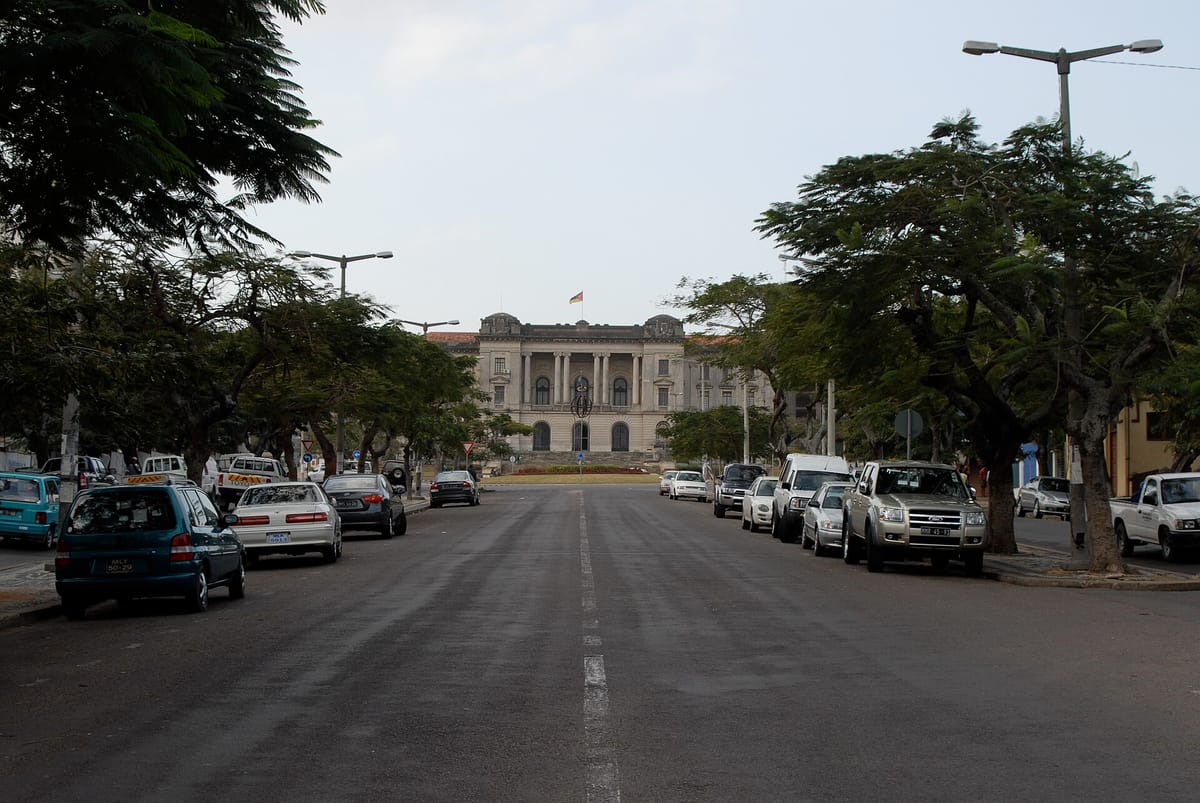
Portugal and Mozambique signed a memorandum in Maputo on Monday under which Portuguese technical support will go towards recovering, digitising, conserving and studying the military archives held in Mozambique. Within minutes of the signature, the Mozambican minister who signed it said the material her country actually wants is on the other side of the agreement, in Portugal.
"A significant part of the documentation relating to the operations, the troop numbers, the detention sites and the political and military decisions of that period is today held in Portuguese archives," said Nyeleti Mondlane, Mozambique's Minister for Combatants. "Without that access, the history of the national liberation struggle continues to be written from only one of its sources."
What the memorandum covers, and what it does not
Mondlane was careful about the document's scope. The Portuguese military heritage physically sitting in Mozambique, she said, is a collection the Mozambican state keeps under its own responsibility, and what changes now is that it gains Portuguese technical support for recovery, treatment and digitisation.
The Mozambican objective, she said, is "broader" than that, and runs to "access for Mozambican researchers to the historical military archives held in Portugal" for a joint historiographical investigation of the liberation struggle period. The purpose she gave was concrete rather than academic: "To complete records, confirm the identities of combatants, locate graves and give back to families a memory that belongs to them."
Mondlane is the daughter of Eduardo Mondlane, the first president of the Frente de Libertação de Moçambique (Mozambique Liberation Front), known as Frelimo.
The Portuguese answer
Nuno Melo, Portugal's Defence Minister, was in Maputo as part of a delegation visit and did not commit to opening anything. What he offered was a principle. "You cannot write history truthfully if you cannot verify it factually," he said. "And that factual verification happens through documents."
He framed the archives question through reconciliation, and through numbers: Portugal has roughly 130,000 living former combatants and Mozambique roughly 120,000, and there are, he said, "many rights that can only be respected" if the shared archives are preserved. He called the memorandum one of the most important parts of the delegation's trip, and said the two countries were "honouring those to whom we owe everything".
Melo also met Mozambique's Defence Minister, Cristóvão Chume, and paid tribute to the Portuguese combatants of the First World War, in which Mozambique was a theatre of fighting between Portuguese and German forces.
Fifty-two years from Lusaka
Mondlane closed by reaching back to 1974. Fifty-two years ago in Lusaka, she said, Mozambicans and Portuguese "sat down at a table to end a war and open a new page in relations between the two peoples". The Lusaka Accord, signed in September that year, set out the transfer of power that led to Mozambican independence the following June.
"Today, in Maputo, the two countries sit down again to ensure that this page and all those that preceded it are preserved and fully known," she said. "The history that separated the two peoples is today the same history that unites us."
Whether that translates into reading-room access in Lisbon is a separate question, and one the memorandum does not appear to settle. The Portuguese state holds the colonial-era military record in dedicated defence archives with their own rules on consultation, and nothing announced on Monday changed them.
The visit is the second piece of Portuguese defence activity in Mozambique this week. A Portuguese brigadier general took command of the European Union's training mission there on Monday, with fifteen weeks left on its legal mandate.