The Government Opens a €25 Million Tender for Energy Storage to Keep Hospitals and Water Systems Running Through a Blackout
The government has opened a €25 million tender, covering 85% of costs, to fund energy-storage systems that keep hospitals, water supply, telecoms and transport running when the grid fails. Aimed at public bodies, it answers the fragility exposed by the April 2025 Iberian blackout.
The government has opened a €25 million tender to fund energy-storage systems that can keep critical services — hospitals, water supply, telecommunications and transport — running when the electricity grid fails. The programme, which covers up to 85% of each project's investment cost, is a direct response to the fragility exposed by last year's Iberian blackout.
The essentials of the scheme:
- €25 million available through the Programa Sustentável 2030 (Sustainable 2030 Programme), part of Portugal's EU-funded investment framework.
- 85% of eligible investment costs covered by the grant.
- Open to public administration bodies and state business-sector entities rather than private firms.
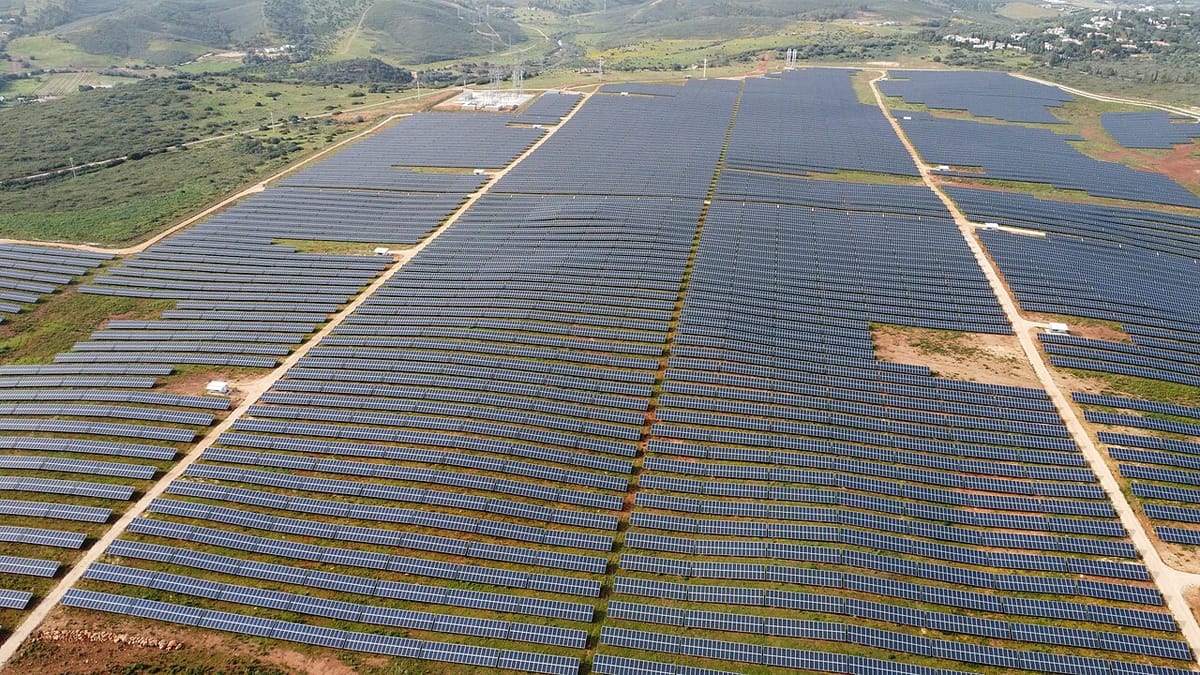
- Every project must integrate three elements: storage (such as batteries and solar panels), a grid interface, and the ability to operate off-grid when the network goes down.
Eligible spending stretches from the batteries and photovoltaic panels themselves to smart-grid interfaces, monitoring software and feasibility studies. The common thread is resilience: the tender is aimed squarely at the systems a country cannot afford to lose, including electrical networks, communications, transport hubs, water treatment and hospitals.
The political framing was explicit. The Minister of Economy, Castro Almeida, cast the measure as a matter of "energy sovereignty," essential to keeping critical infrastructure alive, while the Minister of Environment and Energy, Maria da Graça Carvalho, called it fundamental for securing supply "in case of electrical system failure." Both were speaking to a public that watched the 28 April 2025 Iberian blackout darken the peninsula — an event a parliamentary inquiry later used to demand 72 hours of backup power for hospitals, pharmacies and food retail.
The tender also complements Portugal's broader storage push. The state has already scheduled a 750 MW battery auction and pumped €180 million into storage as renewables approach 80% of the grid. Where those schemes chase grid-scale capacity, this one targets the last line of defence for individual public buildings.
What This Means for Residents
- Steadier public services: If your local hospital or water utility wins funding, it becomes far more likely to keep operating through the next grid outage.
- A template for the private sector: The three-part storage-plus-off-grid design points to where commercial and household backup systems are heading.
- Renewables need this: As solar and wind dominate the grid, storage is what turns intermittent generation into reliable, blackout-proof power.
Twenty-five million euros will not blackout-proof the whole country, but it signals a shift in thinking — from generating clean power to guaranteeing it stays on when it matters most.