EU Plan for 2027 Cuts the Southern Hake Catch Limit by 20 Percent and Raises Monkfish by 22 Percent in the Waters Portugal Fishes
Brussels wants 13,956 tonnes of southern hake caught in Iberian waters in 2027, down 20 percent, and 6,563 tonnes of monkfish, up 22 percent. Horse mackerel rises 6 percent and red seabream falls 35 percent. Fisheries ministers decide on 14 and 15 December.
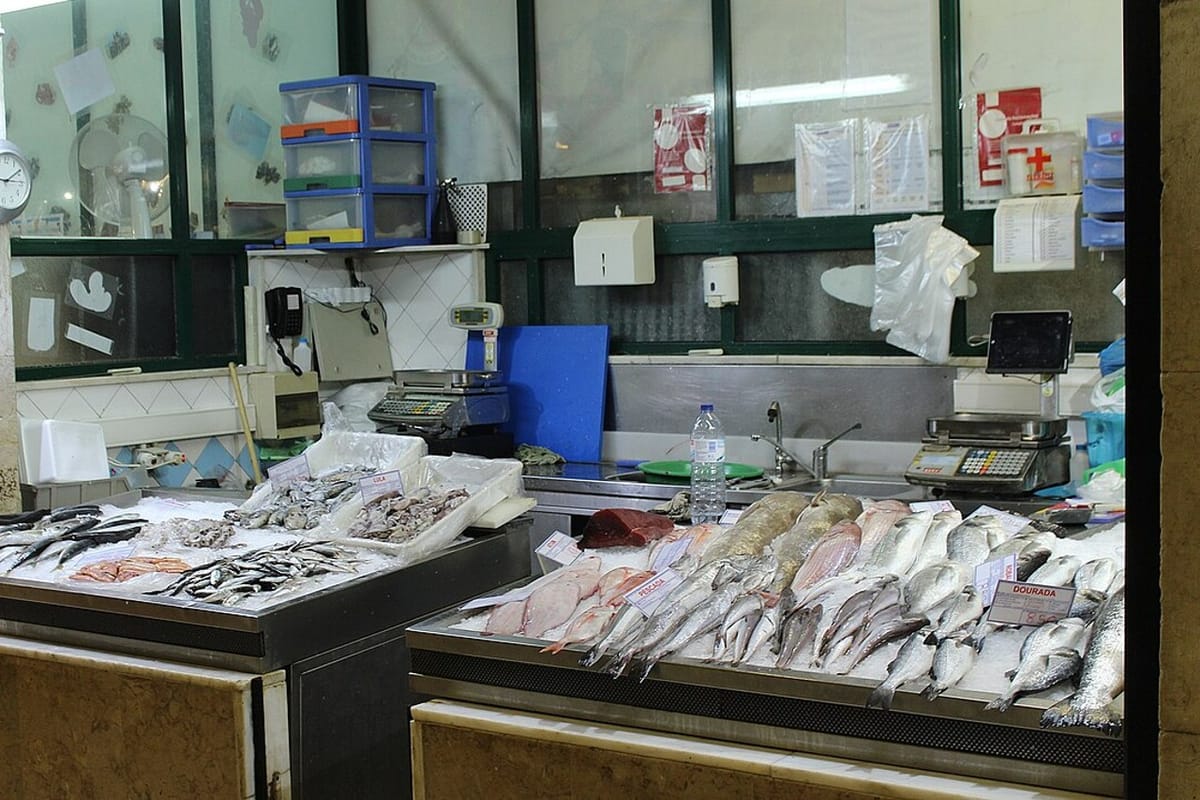
The European Commission wants the catch limit for southern hake cut by 20 percent in 2027 and the limit for anglerfish (monkfish, tamboril) raised by 22 percent, in the waters fished by Portugal's fleet. The proposal, adopted in Brussels on Thursday 5 November, sets 2027 fishing opportunities for 11 stocks managed by the EU in the Atlantic, the Kattegat and the Skagerrak, and goes to EU fisheries ministers in December.
Both stocks cover the southern Bay of Biscay and Iberian waters (ICES areas 8c, 9 and 10, plus EU waters of CECAF 34.1.1), which Spain, France and Portugal share. The proposal (COM(2026) 608) puts the total allowable catch (TAC) at 13,956 tonnes for southern hake and 6,563 tonnes for anglerfish. How much of each Portugal may land is not in the document yet: the national quota lines are left blank, to be filled in when the Council decides.
The figures for Iberian waters
- Hake (pescada), southern stock: down 20 percent, to 13,956 tonnes. The Commission says the Council set the 2026 limit at the top of the sustainable range because hake was then the species that held back the mixed trawl fishery, and that this is no longer the case. It is moving the limit towards the scientific advice, with the cut capped at 20 percent under the Western Waters multiannual plan.
- Anglerfish (tamboril): up 22 percent, to 6,563 tonnes, in line with the scientific advice.
- Horse mackerel (carapau), ICES area 9: up 6 percent, to 59,950 tonnes.
- Red seabream (goraz), Iberian waters north of the Strait of Gibraltar: down 35 percent, to 28 tonnes a year for both 2027 and 2028, based on precautionary advice.
- Undulate ray (raia-curva), Iberian waters: unchanged at 50 tonnes for 2027 and 2028, for by-catch only.
No figures were given for megrim in Iberian waters, Norway lobster or anchovy in the Gulf of Cádiz. They are marked "pm" until scientific advice arrives. Sardine and seabass in Iberian waters stay with national governments: the Commission proposes that Spain, France and Portugal keep setting their own sardine and seabass limits, provided they jointly keep catches within the scientific advice. The proposal notes that sardine fishing mortality was 29 percent above the sustainable level in 2025 and that seabass landings exceeded the precautionary advice by 79 percent. ICES, the International Council for the Exploration of the Sea, is due to publish its 2027 sardine advice on 11 December.
What it means for residents
If ministers accept the hake cut, boats from the three countries sharing the stock will have less southern hake to land in 2027, while the higher limits for monkfish and horse mackerel give the fleet more of both. The proposal says nothing about prices.
Quota limits already decide when boats stop fishing. This year the Portuguese sole quota ran out early, and affected boats could claim compensation from a 360,000 euro fund; in October Portugal cut daily sardine landings to stay within the 2026 limit.
What happens next
EU fisheries ministers are expected to discuss and decide on the proposal at the Agriculture and Fisheries Council on 14 and 15 December 2026, and the final regulation will apply from 1 January 2027. The Commission will update its proposal as further scientific advice comes in. The agreed totals are then divided into national quotas using fixed allocation keys. Lusa, as carried by RTP, noted that the December negotiations tend to drag on. No reaction from the Portuguese government or the fishing sector had been published by Thursday afternoon.