Portugal Pumps EUR 180 Million Into Battery Storage as Renewables Hit 80 Per Cent of the Grid
The government has raised the PRR allocation for energy storage from EUR 160 million to EUR 180 million and added EUR 11.9 million for hydrogen and renewable gases — a quiet but consequential revision that reflects the urgency of stabilising a grid now running on 80 per cent renewables.
When Portugal set a target of generating 80 per cent of its electricity from renewable sources, the deadline was 2030. The country hit it in 2026 — four years early. The achievement is a point of national pride, but it has created an engineering problem that money alone cannot solve: what happens when the sun sets and the wind drops?
The government's answer, buried in a PRR revision announced on 11 April, is to scale up battery storage and renewable gas infrastructure. The changes are modest in headline terms — EUR 20 million more for batteries, EUR 11.9 million for hydrogen and renewable gases — but they represent a strategic shift in how Lisbon thinks about its energy transition.
From Generation to Storage
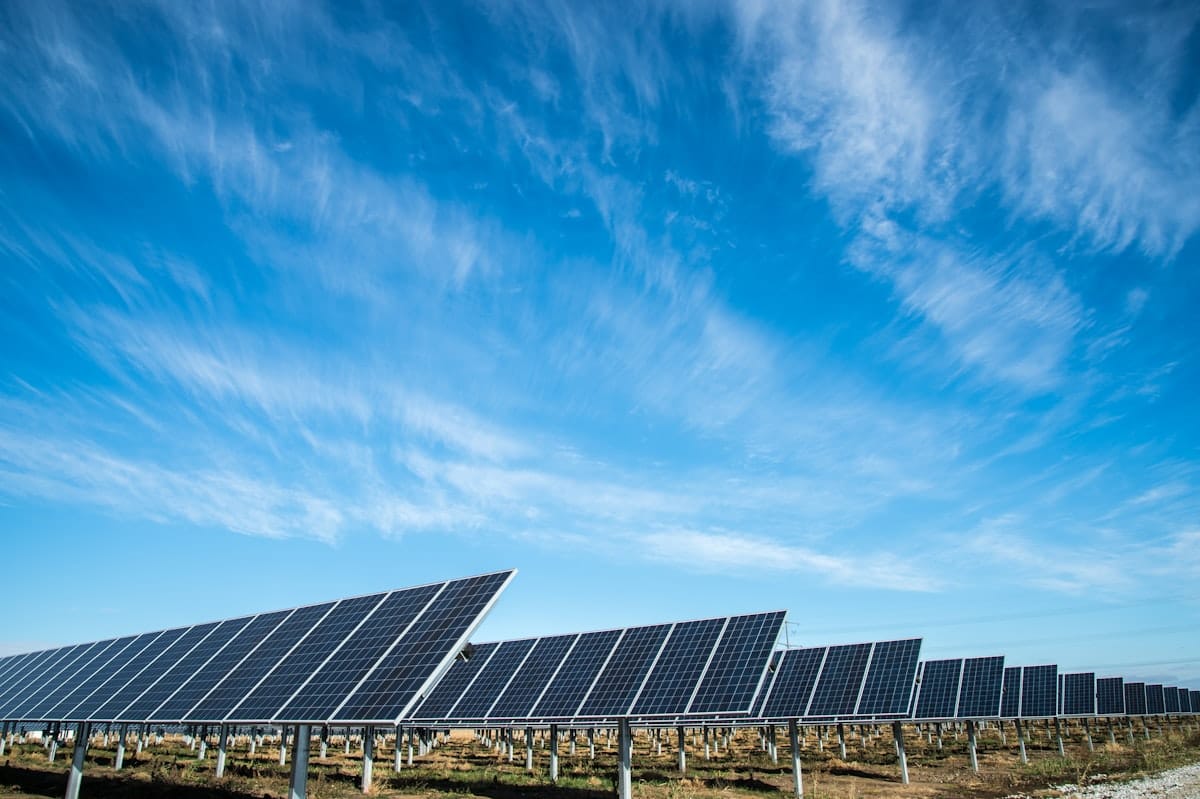
Portugal's renewable success story has been overwhelmingly about generation. Solar parks in the Alentejo, wind farms along the Atlantic coast, and the country's extensive hydroelectric network have pushed clean energy output to record levels. But generation without storage is a fair-weather achievement — literally.
The revised PRR allocation raises the "Grid Flexibility and Storage" programme from EUR 160 million to EUR 180 million, with the additional funds specifically targeting battery-based storage systems. These are not the small-scale batteries found in residential solar installations but industrial-grade lithium-ion banks designed to absorb excess daytime solar production and feed it back into the grid during evening peak demand.
Environment and Energy Minister Maria da Graça Carvalho framed the investment as essential infrastructure: "We are accelerating the electrical system's capability to integrate additional renewable energies securely and efficiently, ensuring response to emerging energy challenges."
The Hydrogen Bet
Alongside the battery push, the PRR revision added EUR 11.9 million for hydrogen and renewable gases. Portugal has positioned itself as a potential hydrogen hub, with the deep-water port of Sines already handling 60 per cent of the country's LNG imports and earmarked for green hydrogen production and export.
The additional funding supports pilot projects in electrolysis — the process of splitting water into hydrogen and oxygen using renewable electricity. While green hydrogen remains expensive relative to natural gas, proponents argue that early investment in production capacity will pay dividends as costs fall and European demand grows under the EU's REPowerEU plan.
Deadline Extended to 23 April
The government also extended the application deadline for the Grid Flexibility and Storage programme to 23 April, giving companies an additional window to submit battery and storage projects. The extension suggests that initial uptake may have been slower than hoped — a common pattern in PRR-funded programmes where bureaucratic complexity has deterred smaller firms from applying.
The Bigger Picture
Portugal's energy transition is often cited as a European success story, and the numbers support the narrative. But the country is now confronting a phase of the transition that is harder to celebrate: the expensive, unglamorous work of building the infrastructure that makes intermittent renewables reliable.
Battery storage, grid reinforcement, and hydrogen production lack the visual drama of a solar park or an offshore wind turbine. They do not generate ribbon-cutting photo opportunities. But without them, Portugal's 80 per cent renewable grid is only as dependable as the weather forecast.
The EUR 180 million in PRR funding is a down payment. Industry analysts estimate that Portugal will need between EUR 500 million and EUR 1 billion in storage investment by 2030 to fully stabilise a grid dominated by variable renewables. Whether that money comes from public funds, private capital, or a combination of both will be one of the defining economic questions of the next four years.