The Fuel-Tax Rebate Widens on Monday, Cushioning an Expected 3.5-Cent Rise in Diesel
From 25 August the ISP rebate is 8.16 cents a litre on diesel and 5.40 on petrol, up from 8.05 and 4.96. The ACP forecasts diesel rising about 3.5 cents and petrol about 2.5, so diesel drivers still face a net increase of roughly 2.4 cents.
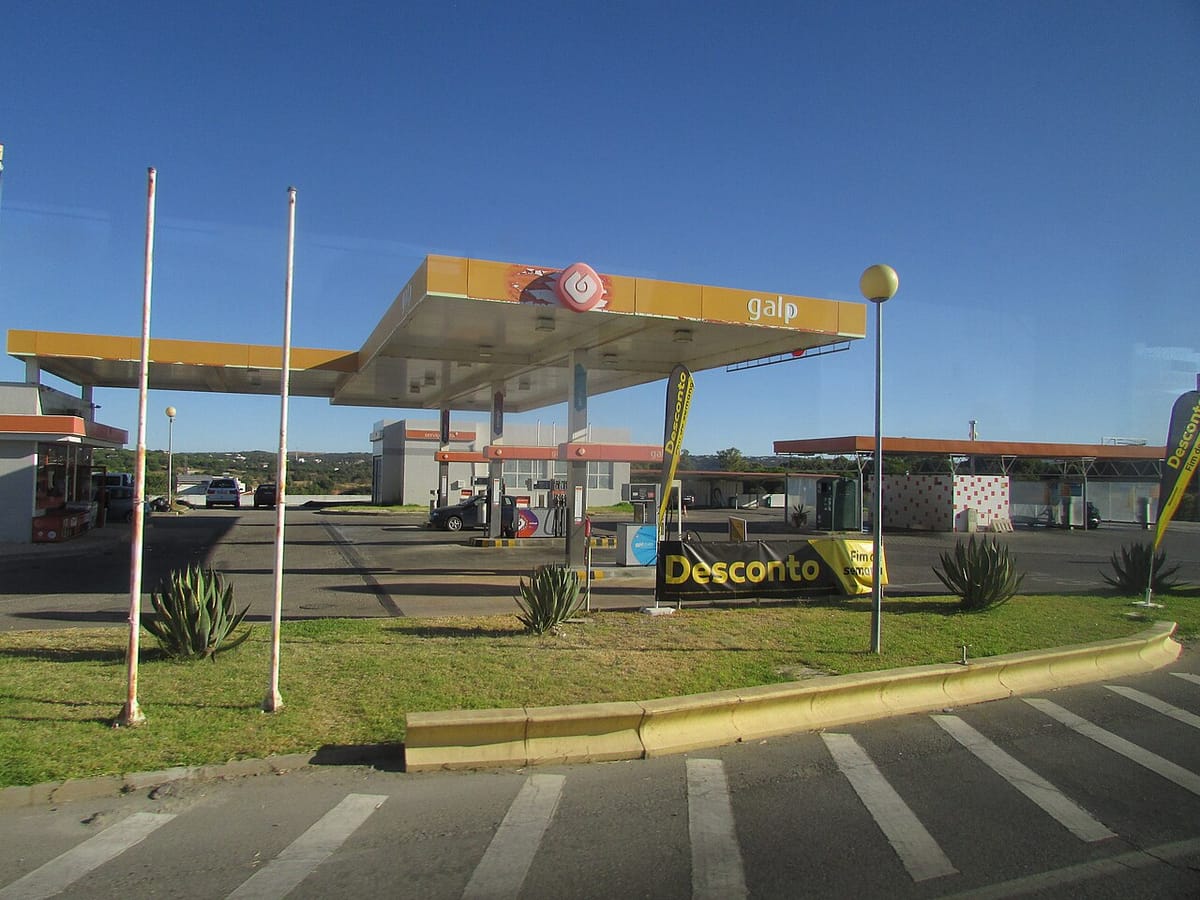
From Monday, the government is handing back more of the fuel tax than it did last week. The Imposto sobre os Produtos Petrolíferos (ISP) rebate rises to €81.61 per 1,000 litres on road diesel and €53.98 per 1,000 litres on unleaded petrol, published by dispatch in the Diário da República on Friday and applying to the week of 25 to 31 August.
In the units drivers actually think in, that is 8.16 cents a litre off diesel and 5.40 cents off petrol. The week now ending carried €80.52 and €49.61 per 1,000 litres. So diesel gains about 1.1 cents of relief and petrol about 4.4 cents.
Why the rebate went up
The government said it acted on the prospect of higher wholesale prices in the coming week. The Automóvel Club de Portugal (ACP), whose weekly forecast is the number most Portuguese motorists see first, expects diesel to rise about 3.5 cents a litre and petrol about 2.5 cents.
Put the two together and the arithmetic is less generous than the headline suggests. A diesel driver still faces a net rise of roughly 2.4 cents. A petrol driver, on those forecasts, comes out close to flat or marginally better off. On a 50-litre fill, the diesel rise is a little over a euro; the petrol change is small enough to disappear inside the variation between one forecourt and the next.
The weekly ISP adjustment has been running since 2022, when the government began returning part of the tax to offset the price shock that followed Russia's invasion of Ukraine. It has stayed in place ever since, recalculated every Friday, which is why Portuguese pump prices move in a step on Monday morning rather than drifting daily.
Context
This is a smaller move than the one two weeks ago, when diesel and petrol jumped close to 10 cents and the rebate widened to cushion it. It is also a reminder that the rebate is a shock absorber, not a subsidy: it moves in the same direction as prices, and it has never been designed to hold the pump price still.
Whether the retail chain passes changes through symmetrically has been argued about for years. ERSE, the energy regulator, examined it this month and concluded that Portuguese prices do not rise faster than they fall, and rejected capping retail margins.
What this means for you
- If you drive diesel: fill up on Sunday. A net 2.4-cent rise on a 60-litre tank is about €1.45, which is not much on its own but is the difference between a full tank at this week's price and next week's.
- If you drive petrol: there is no urgency. The rebate increase roughly matches the forecast rise.
- If you are budgeting: the ISP rebate is published every Friday in the Diário da República and takes effect the following Monday, so the number is knowable two days in advance rather than being a surprise at the pump.
- If you are comparing forecourts: the government's own price comparison site, precoscombustiveis.dgeg.gov.pt, carries the legally reported prices for every station, and the spread within a single town routinely exceeds the size of this week's rebate change.
Forecasts are forecasts. The ACP's are usually close, but the actual figure only settles once the wholesale week does, and individual chains set their own margins on top.