Diesel and Petrol Jump Nearly 10 Cents Next Week as the Government Widens Its Fuel-Tax Rebate
Diesel is set to rise up to 10 cents a litre next week and petrol up to 9, pushing a tank of diesel back over €2. Lisbon widened its ISP tax rebate to soften the blow.
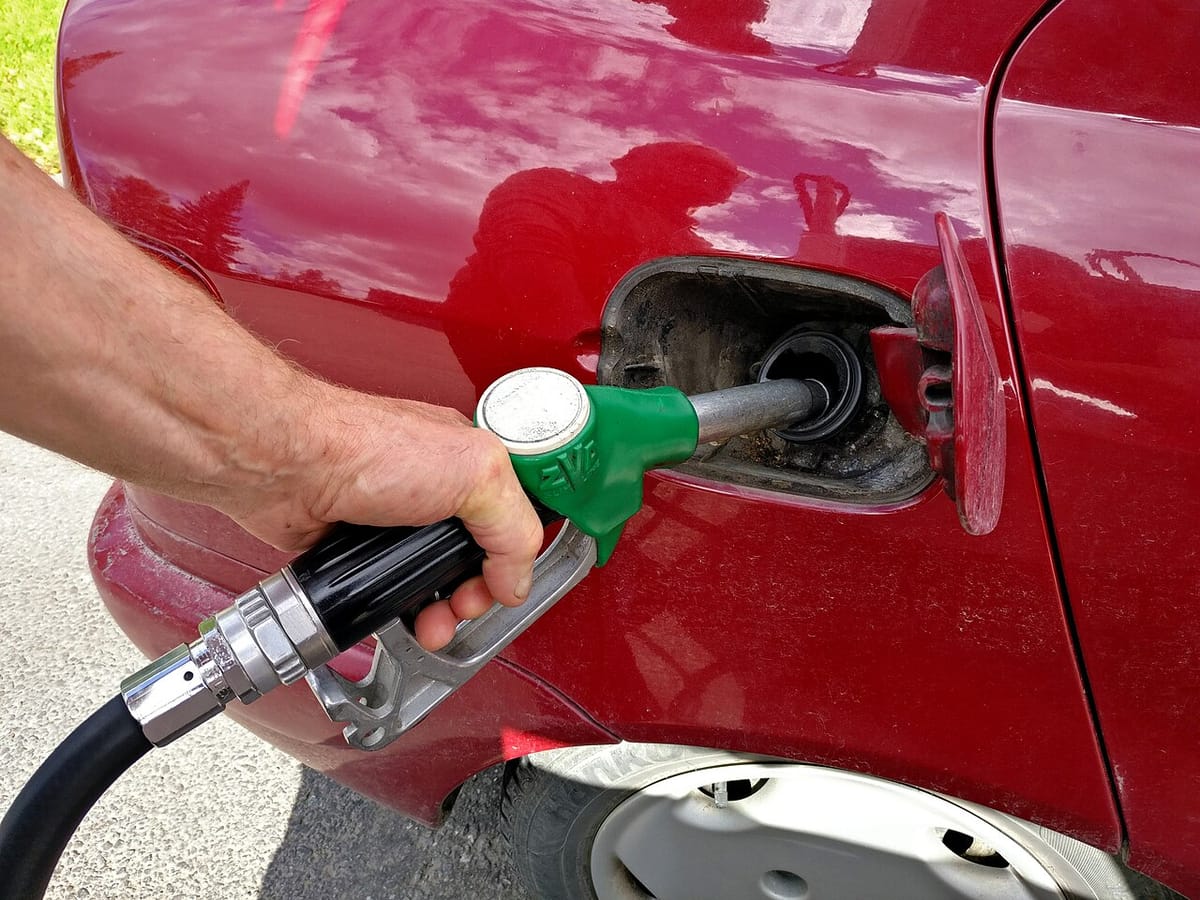
Drivers filling up over the coming days should brace for the sharpest fuel increase in weeks. From Monday, diesel is expected to climb by roughly eight to ten cents a litre and petrol by around 8.5 to nine cents, according to estimates from the fuel retailers' association ANAREC and the Automóvel Club de Portugal. It is a jump large enough to push a simple tank of diesel back above the €2 mark across much of the country.
To blunt the blow, the government moved on Friday to widen its temporary tax break. A portaria published in the Diário da República raises the extraordinary discount on the Imposto sobre os Produtos Petrolíferos (ISP) by 2.1 cents a litre for road diesel and 1.4 cents for unleaded petrol. That lifts the total ISP rebate to €80.52 per 1,000 litres of diesel and €49.61 per 1,000 litres of petrol — the mechanism Lisbon reaches for whenever it expects weekly price rises to exceed ten cents.
"Faced with the prospect that next week will see a rise in the price of road diesel and unleaded petrol, the government decided to adjust the extraordinary and temporary ISP discount," the ministry wrote in the document. The rebate is recalculated week by week, effectively handing back part of the fuel tax so that the pump price does not track the full swing in wholesale costs.
Even with the larger discount, the headline numbers are heading up. Based on Thursday's average prices compiled by the Directorate-General for Energy and Geology, simple diesel is projected to rise to between €2.047 and €2.067 a litre next week, while 95-octane petrol is set to reach €1.970 to €1.975. The two motoring bodies differ slightly on the size of the move — ANAREC sees diesel up eight cents and petrol up 8.5, while the ACP forecasts ten and nine respectively — and the final figure will depend on how crude behaves and on each station's brand and location.
The pressure is coming from abroad. Fuel markets remain rattled by the war involving Iran and by wider tension in the Middle East, including fears over the Strait of Hormuz, the chokepoint through which about a fifth of the world's oil and natural gas trade passes. Any disruption there feeds quickly into the wholesale prices that Portuguese distributors pay.
The increase lands just as the debate over what Portuguese motorists actually pay has flared again. The energy regulator ERSE, responding to a request from the environment and energy minister, concluded on Thursday evening that filling stations had not extracted abusive margins from recent price movements. Instead, it attributed most of the gap with neighbouring Spain — where pre-tax diesel can run around ten cents cheaper — to Portugal's heavier fuel taxation rather than to profiteering at the forecourt.
For households, the practical takeaway is simple enough: the tax rebate will soften the increase but not erase it, and the cheapest moment to fill up is before the new week's prices take hold. Drivers who can top up over the weekend stand to lock in the lower rate, while the final cost on Monday will still vary from one pump to the next depending on the operator and the region.