Ten More Judges Can Volunteer for the AIMA Case Team Until 30 November, With About 89,000 Immigrant Lawsuits Still Undecided
The administrative courts' council has opened 10 more places on its national AIMA case team, with judges applying by 30 November. About 89,000 immigrant lawsuits against AIMA were still undecided in September, and the team runs until 30 January 2027.
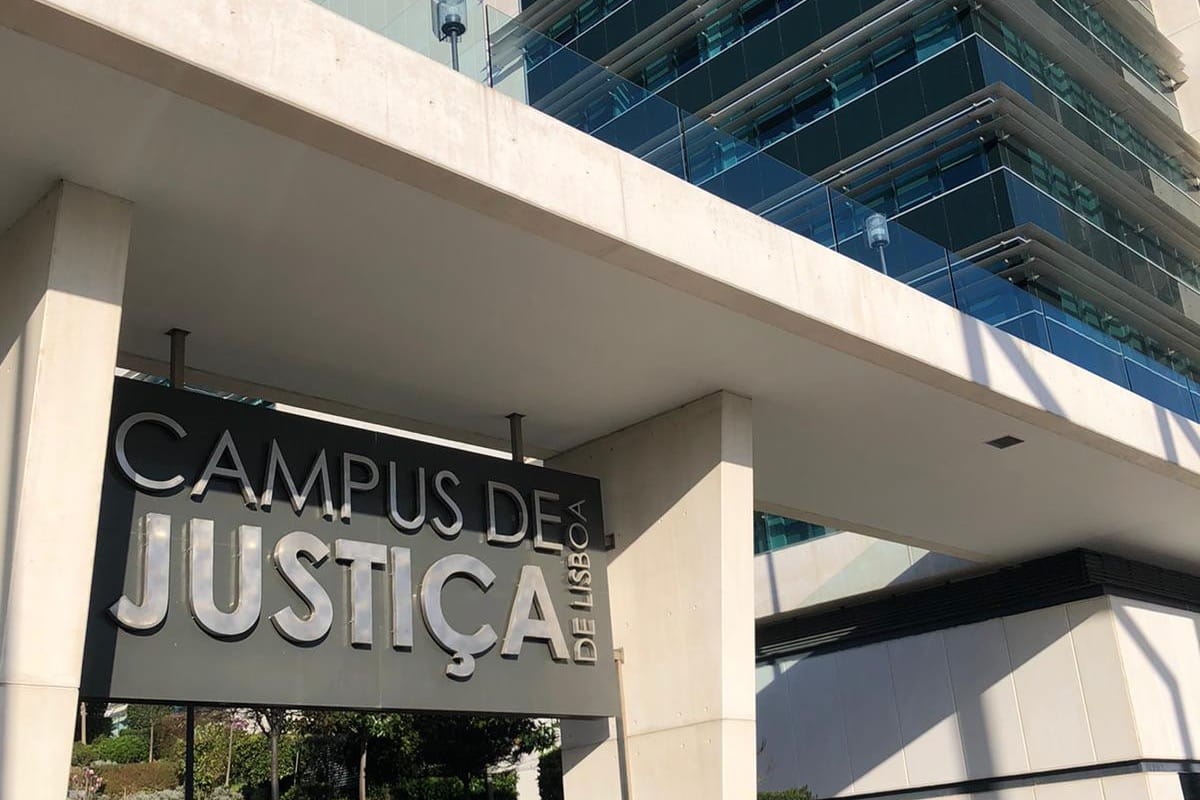
Ten more administrative court judges are to join the special team that has been working through the backlog of immigrants' lawsuits against AIMA, the Agency for Integration, Migration and Asylum. The Conselho Superior dos Tribunais Administrativos e Fiscais (CSTAF), the council that runs Portugal's administrative and tax courts, published the call on Tuesday, 17 November. Judges have until Monday, 30 November, to put their names forward.
The reinforcement comes with about 89,000 AIMA cases still undecided, according to CSTAF figures reported by ECO on Wednesday. For immigrants who have sued AIMA over a stalled residence case, it adds judging capacity to the team.
What the notice says
The CSTAF notice (in Portuguese) opens a national call for expressions of interest to fill 10 additional places on the Equipa Nacional de Acumulação "AIMA", the national team whose judges take on AIMA cases on top of their usual work. It is open to first-instance administrative and tax court judges in all four of the council's management zones: the North, the Centre, Lisbon and the Islands, and the South. Only judges who have met their set service targets may apply.
If more than 10 judges come forward, the council will choose on the criteria in its mobility regulation and then, in order: whether a judge has already met the 2026 service targets, output at their home court, the number of cases waiting for their decision there, and seniority. Applications go by email to the council, as its announcement sets out.
What the 89,000 figure covers
The cases sit mainly at the Tribunal Administrativo de Círculo de Lisboa, the Lisbon administrative court of first instance. According to ECO's account of CSTAF data, it had 124,793 pending cases on the entry and stay of foreign citizens on 7 January 2026, rising to 129,239 in February.
The special team started on 7 April with 28 judges, who kept working at their own courts at the same time. By 18 September about 89,000 cases were still unresolved, down from about 125,000 in April. The 21 judges then on the team had decided around 36,000 cases between them. New cases kept arriving: 3,683 AIMA cases reached the Lisbon court between 1 and 18 September, about 204 a day, and these went to six other judges rather than to the team. On 22 September the council extended the operation to 30 January 2027.
Which lawsuits these are
Many of the cases are an intimação para proteção de direitos, liberdades e garantias: an urgent lawsuit asking a court to order the administration to act where a fundamental right is at stake. Immigrants have used it to press AIMA for an appointment, a decision on a residence application or the issue of a residence card. ECO reports that the Lisbon court received 3,121 such cases in 2023 and more than 55,000 in 2024. Since Lei n.º 61/2025 of 22 October 2025, an applicant must show that AIMA's action or delay seriously and directly compromises the timely exercise of personal rights that no other court route can protect.
What it means for you
- If you already have a case pending against AIMA, the new places add judges to the team handling the backlog; the notice does not change any individual case or set a deadline for decisions.
- The team is due to run until 30 January 2027 under the September extension.
- Whether a new lawsuit is admissible depends on the stricter test in the 2025 law; for advice on your own case, speak to a lawyer.
We reported on the backlog when AIMA turned three at the end of October.