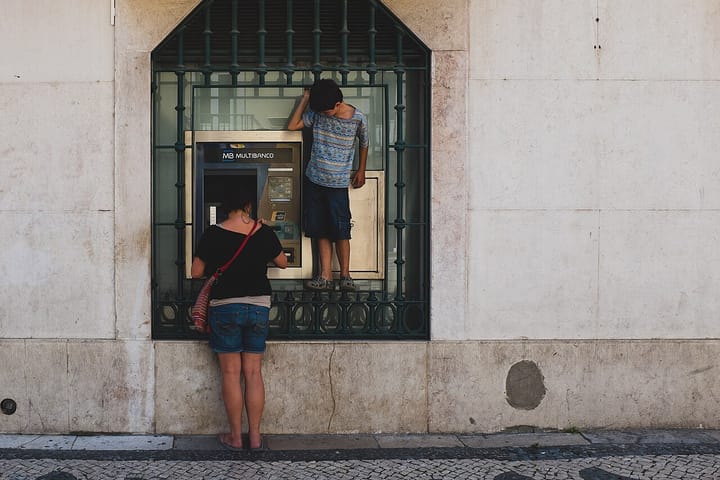
The Bank of Portugal Wants Every Shop to Take at Least One Form of Card or Digital Payment The central bank wants to oblige every business to accept at least one digital payment method alongside cash, as part of its 2025 retail-payments strategy.
President Seguro Signs a New Charter for INEM, Bringing AI-Assisted Triage and a Non-Doctor Board President Seguro's signature turns INEM into a special-regime institute with AI-assisted 112 triage and a board no longer required to be led by a doctor.
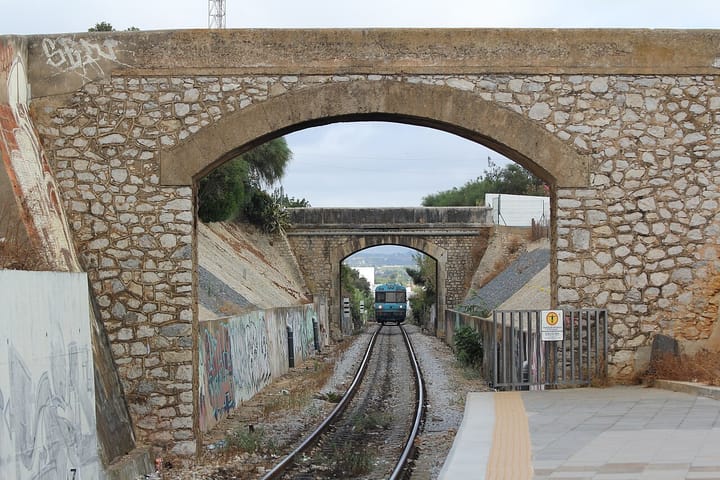
The Algarve Line Switches to Electric Trains on 19 July, Adding Seats and Direct Lagos–Vila Real Services Diesel railcars retire on 19 July as the Algarve Line goes fully electric, bringing about 40% more seats, 18% more services and the first direct Lagos–Vila Real trains.
Portugal Has Until 2028 to Overhaul How It Vets Foreign Takeovers as Brussels Makes Screening Mandatory A new EU regulation forces Portugal to make foreign-investment screening mandatory in sensitive sectors by 2028 — and the government has yet to decide who will run it.
Portuguese Municipalities' Surplus Swells 84% on Property-Transfer and Tourist Taxes, as Council Debt Edges Up Again Portugal's municipalities ran a combined surplus of about €492 million in 2025, up 84%, on the back of a 24% jump in property-transfer tax and a near-doubling of tourist-tax revenue. But council debt rose for a second straight year, and seven town halls breached their legal limit.
Up to a Third of Portugal's Private-Sector Workers Are Tied to Non-Compete Clauses, the OECD Finds A new OECD study finds up to a third of Portugal's private-sector workers are bound by non-compete clauses — often without realising it — and argues the practice is quietly holding down wages and job mobility. Many of the clauses may not even be valid under Portuguese law.
Portugal's Pension Age Creeps Toward 67 in 2027, and a Population Recount Could Move It Again Portugal's full-pension age rises to 66 years and 11 months in 2027, indexed automatically to life expectancy. Now an INE revision that found more residents than thought will force a recalculation of the mortality tables, and could move the retirement age again.