The Algarve Line Switches to Electric Trains on 19 July, Adding Seats and Direct Lagos–Vila Real Services
Diesel railcars retire on 19 July as the Algarve Line goes fully electric, bringing about 40% more seats, 18% more services and the first direct Lagos–Vila Real trains.
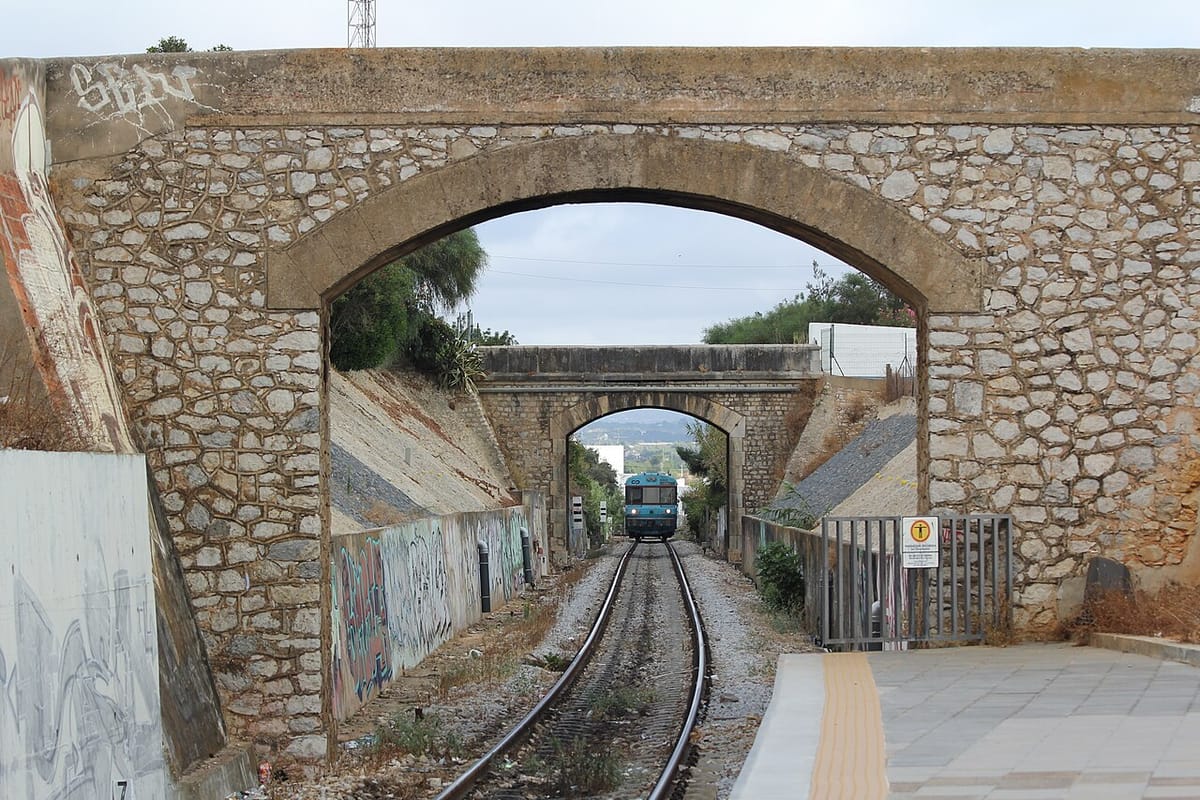
From Sunday 19 July, the diesel trains that have rattled along the Algarve's coast for decades will be gone. On that date the Linha do Algarve (Algarve Line) becomes fully electric, and with the switch comes more seats, more frequent services and, for the first time, direct trains from one end of the region to the other.
The change covers both arms of the line — Tunes to Lagos in the west, and Tunes to Vila Real de Santo António on the Spanish border in the east — and completes an electrification programme run by Infraestruturas de Portugal (Infrastructure of Portugal, the state rail-network manager), whose crews finished stringing and certifying the overhead catenary that the new trains draw power from.
Newer trains, more room
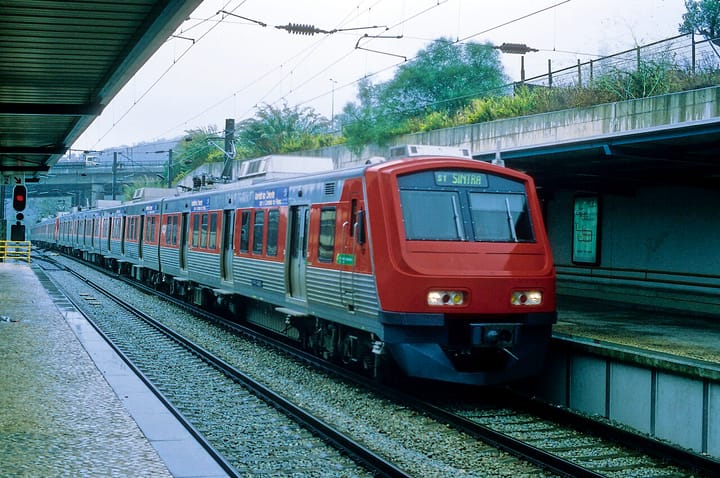
The operator, CP — Comboios de Portugal (Trains of Portugal), is retiring its ageing UDD 450 diesel railcars and replacing them with electric UTE 2240 units. The upgrade is not just about traction. Total capacity on the trains rises from 388 to 536 places, with seating jumping from 164 to 264 — roughly 40% more seats — while standing room grows from 224 to 272.
Regional service frequency increases by about 18%, with extra trains at peak hours and shorter journey times across the board. CP describes the new fleet as "more efficient, comfortable and sustainable," citing lower noise levels and better accessibility, including lifts for wheelchair users.
An end to the Faro shuffle
Perhaps the most practical gain for passengers is the arrival of direct connections between Vila Real de Santo António and Lagos, sparing travellers the familiar chore of changing trains at Faro to cross the region. CP is also introducing a new InterRegional service — two trains a day making fewer stops — aimed at people moving quickly between the Algarve's main towns rather than hopping between local halts.
The timing is pointed. The Algarve's rail line threads through a string of holiday towns — Albufeira, Loulé, Tavira, Faro — at the height of a summer season that strains the region's roads and car parks. A faster, higher-capacity railway offers residents and visitors alike a credible alternative to driving the A22 motorway, and slots into a wider national push to modernise a network that for years lagged behind the rest of Western Europe.
For daily commuters between Algarve towns, the promise is simpler still: cleaner, quieter trains that turn up more often and, in many cases, go where they are heading without a change. Whether the new timetable holds up under the weight of August's crowds will be the first real test of the line's electric era.