The Bank of Portugal Wants Every Shop to Take at Least One Form of Card or Digital Payment
The central bank wants to oblige every business to accept at least one digital payment method alongside cash, as part of its 2025 retail-payments strategy.
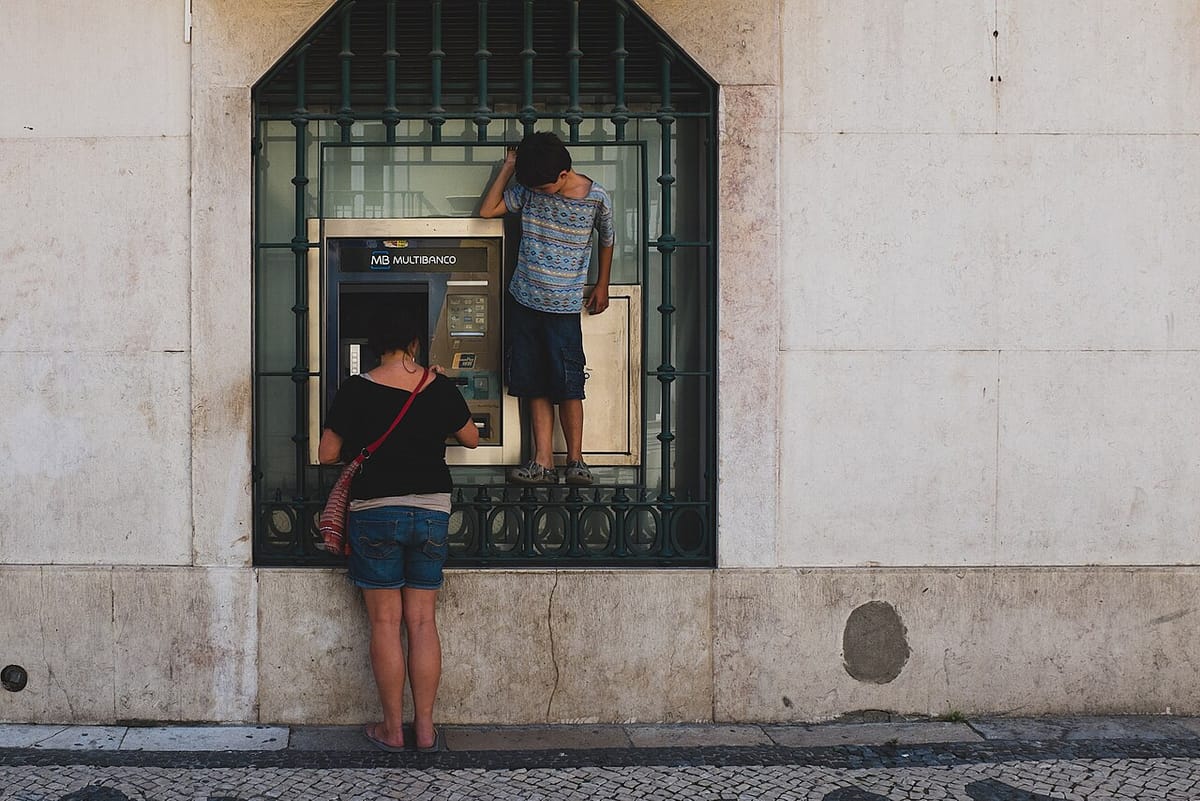
Anyone who has been turned away from a Portuguese café or guesthouse with the words "só dinheiro" — cash only — may soon find that option disappearing. The Banco de Portugal (Bank of Portugal) is studying a legal change that would oblige every business to accept at least one electronic means of payment alongside notes and coins.
The proposal sits inside the central bank's Estratégia Nacional para os Pagamentos de Retalho 2025 (National Strategy for Retail Payments 2025), a policy blueprint that was open to public consultation until 5 July. It is not yet law — and the regulator is at pains to stress that point.
A nudge, not yet a mandate
According to the consultation document, the Banco de Portugal "wants to study a legislative change" that would require firms to accept, together with cash, at least one electronic payment instrument. Crucially, the text does not name Multibanco, MB WAY or any specific system; it simply says "at least one" digital option, leaving businesses room to choose the cheapest that suits them.
The bank also signals that any obligation "should not simply be an imposition." It is examining the idea of serviços mínimos bancários (minimum banking services) tailored to merchants — a regulated, low-cost package that would let even the smallest trader accept a card or a phone payment without being priced out by fees. Retail associations have long complained that the cost of card terminals and transaction commissions is precisely what keeps some shops cash-only, and have pushed for a free or near-free electronic option.
Cash is legal, but increasingly rare
Portugal is, in many ways, already a digital-payments society. Electronic instruments accounted for 99.8% of retail payments by value in 2024, and the Multibanco network of ATMs and card terminals is woven into daily life. Yet cash remains legal tender, and a meaningful minority of businesses — market stalls, small restaurants, rural guesthouses — still refuse cards, an inconvenience that falls hardest on tourists and newer residents who rarely carry euros in their pockets.
The measure would not touch consumers' right to pay in cash; rather, it guarantees them a digital alternative. For the many foreigners living in or visiting Portugal, that is the more relevant promise: fewer awkward moments hunting for an ATM before lunch, and a clearer expectation that a card or a tap of the phone will be accepted wherever they spend.
What happens next depends on the legislator. The Banco de Portugal says the measure is being worked on "in coordination" with lawmakers, meaning any obligation would have to pass through government and parliament before it binds a single till. For now, the shift from cash-only holdout to card-accepting norm remains a proposal — but a clearly signposted one.