President Seguro Signs a New Charter for INEM, Bringing AI-Assisted Triage and a Non-Doctor Board
President Seguro's signature turns INEM into a special-regime institute with AI-assisted 112 triage and a board no longer required to be led by a doctor.
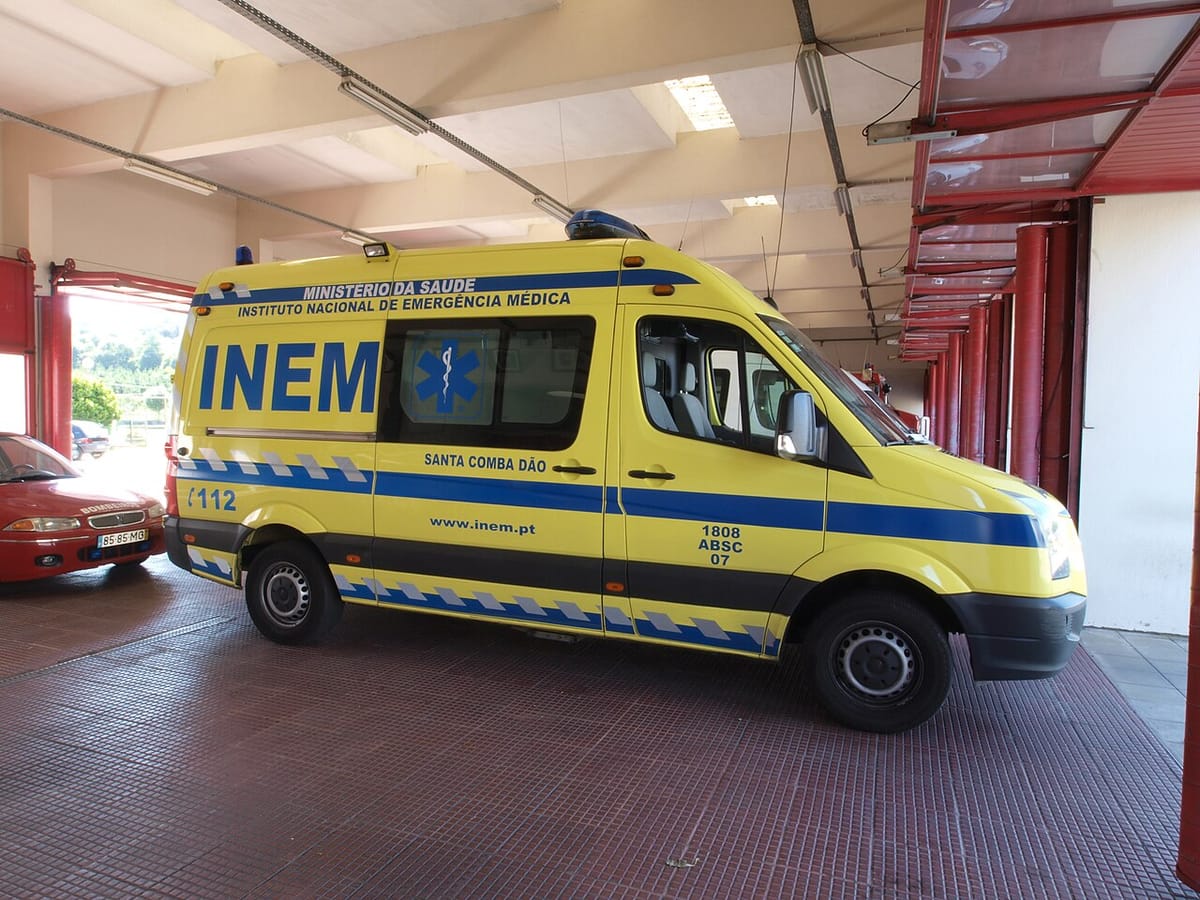
Portugal's emergency-medicine service is heading for its biggest structural shake-up in years. On Tuesday the President of the Republic, António José Seguro, promulgated a new lei orgânica (organic law) for INEM — the Instituto Nacional de Emergência Médica (National Institute of Medical Emergency) — one of four government decrees he signed into force in a single day.
The reform gives INEM the status of an instituto público de regime especial (special-regime public institute). In practice, the government says, that means greater management flexibility, the ability to pay staff more, and a reworked clinical-governance model — changes aimed at an organisation that has struggled to recruit and retain the doctors, nurses and technicians who answer the country's medical emergencies.
AI on the emergency line
The most eye-catching provision is technological. The law pushes INEM to simplify and digitalise its processes, and specifically flags that the Centros de Orientação de Doentes Urgentes (Urgent Patient Guidance Centres, or CODU) — the call centres that triage 112 emergency calls and decide what help to send — will begin using artificial-intelligence tools. The idea is to speed up and sharpen the split-second decisions that determine whether a caller gets an ambulance, a helicopter or advice to make their own way to hospital.
A board no longer led by a doctor
The governance changes are just as significant, and more divisive. The new charter drops the requirement that INEM's board of administration be chaired by a doctor; instead, the leadership will sit alongside a dedicated clinical director and a nursing director, mirroring the model used by Portugal's unidades locais de saúde (local health units). Supporters argue this separates management from clinical oversight and professionalises the institute's leadership.
Not everyone is convinced. The plan, approved by the Conselho de Ministros (Council of Ministers) back on 7 May, drew sharp criticism from several former INEM presidents, while pre-hospital emergency technicians — the técnicos de emergência pré-hospitalar who crew the ambulances — held vigils against it, warning that the reform risks diluting medical authority at the top of a life-and-death service.
The overhaul lands at a delicate moment. INEM has been under financial and operational strain, posting a widening loss in 2025 as its transfers to the volunteer fire brigades that run much of the ambulance fleet climbed. Backers of the new law present it as the tool that finally lets the institute pay competitively, modernise its technology and stabilise its books; critics fear it hands more control to managers at the expense of clinicians. With the President's signature now on the page, the argument moves from whether the reform happens to how it is put into practice.