Six Environmental Groups Sue to Stop a 260-Hectare Tangerine Orchard That Could Draw Almost Twice Alcácer do Sal's Mains Water
Água & Sal, Dunas Livres, GEOTA, Quercus, SPEA and Zero have gone to the Beja administrative court against the approval of an irrigated orchard whose 12 boreholes could take 1.74 million cubic metres a year from the aquifer that supplies Alcácer do Sal and Grândola.
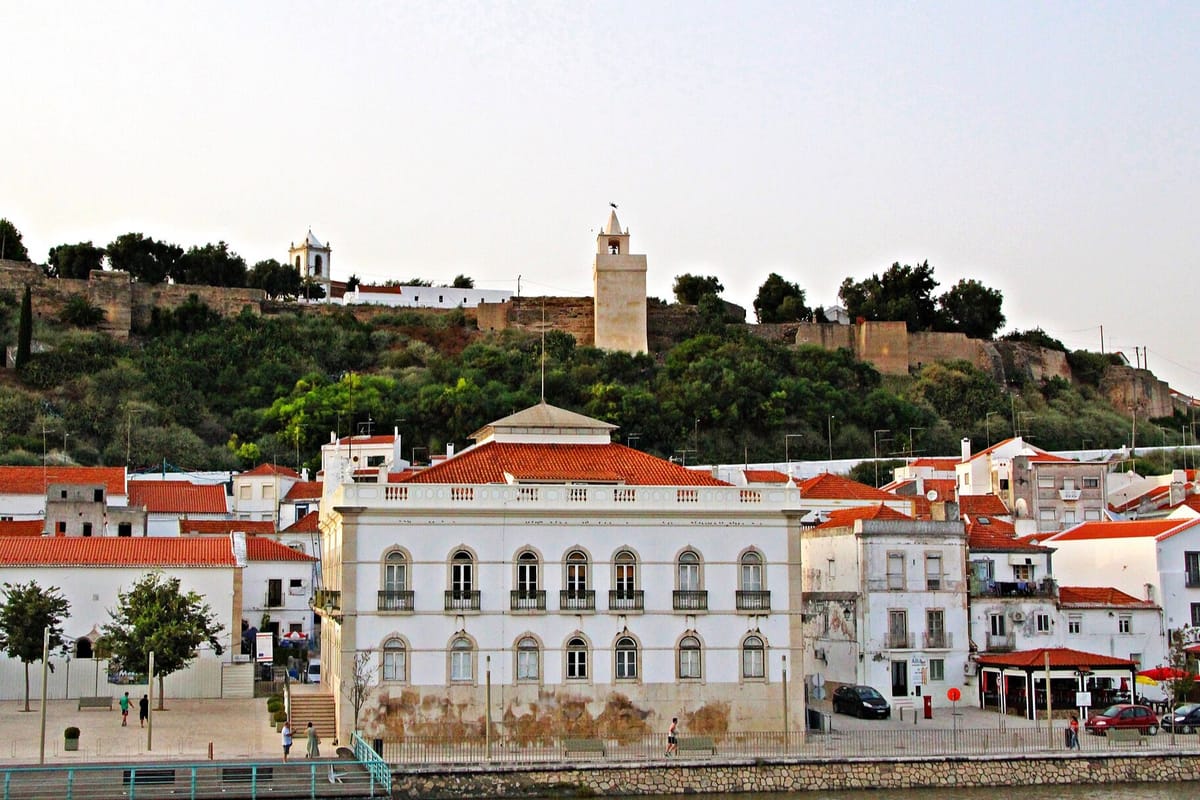
Six environmental organisations went to court on Monday 2 November to try to stop a 260-hectare intensive tangerine orchard in Alcácer do Sal, in the Alentejo. They say its wells could draw almost twice as much groundwater a year as the town's public mains network supplied in 2023, from an aquifer that is the only source of tap water for Alcácer do Sal and neighbouring Grândola.
The groups are Água & Sal, Dunas Livres, GEOTA, Quercus, SPEA (the Portuguese bird society) and Zero. In a joint statement published by Zero, they said they had filed the case at the Administrative and Fiscal Court of Beja (Tribunal Administrativo e Fiscal de Beja).
What the case targets
The case challenges the environmental impact declaration (Declaração de Impacte Ambiental, or DIA), the official environmental approval issued on 3 August 2026 by the Alentejo regional coordination and development commission (CCDR Alentejo). It approved the project subject to conditions, Pedro Horta of Zero told Lusa, in a report carried by Observador.
The project covers the Murta and Monte Novo estates. Its developer is Expoente Frugal, Lda., part of the Aquaterra group, according to the government's public consultation portal. An earlier version, for avocados, received an unfavourable declaration. The tangerine plan approved in August was the developer's fourth proposal for the land, according to Quercus.
The groups make these points:
- Water: the approval allows the developer to apply for permits for 12 boreholes taking up to 1.74 million cubic metres a year. Alcácer do Sal's public network supplied 886,000 cubic metres in 2023, and Grândola's 1.9 million.
- A shrinking aquifer: the groups say the National Laboratory of Energy and Geology (LNEG) found the ground is sinking south of the Sado because more water is pumped out than rain puts back. They say LNEG opposed the project throughout.
- The approval's own assessment: according to the groups, the DIA itself rates the impact on groundwater as "high magnitude, very significant and certain".
- Protected land: the orchard lies inside the Comporta/Galé Special Area of Conservation, part of the EU's Natura 2000 network.
The groups add that Alcácer do Sal council gave an unfavourable opinion, and that 384 of the 387 comments sent to the public consultation opposed the project. They are asking for the declaration to be reassessed. They also want an independent study of the aquifer south of the Sado before any new permit for large abstractions.
What it means for residents
The groups' main worry is household supply. If the water table falls, they say, small farmers and families with shallower private wells would be the first to run dry or to pay for deeper drilling. They say the approval itself requires the developer to keep some boreholes for the public supply of Comporta, Montevil and Alcácer do Sal.
In August, Quercus said it was considering asking the administrative courts to suspend the declaration and halt any work on the ground. The groups' statement does not say whether such a suspension was requested, and no court decision has been reported. The groups are paying for the case through a public crowdfunding appeal. The developer, the CCDR and Alcácer do Sal council had not published a response by Monday morning.
Zero has also asked the environment agency to reject the Foupana dam in the Algarve, and the south was in drought on IPMA's maps in mid-October.