Road Deaths in Portugal Rose 15 Percent to 105 in the First Quarter of 2026, ANSR's Latest Report Shows, With Most Now Dying on Town Streets
ANSR's newest quarterly report counts 105 road deaths from January to March, 14 more than a year earlier, and 559 serious injuries. Leiria and Porto had the most deaths, and two thirds died inside built-up areas.
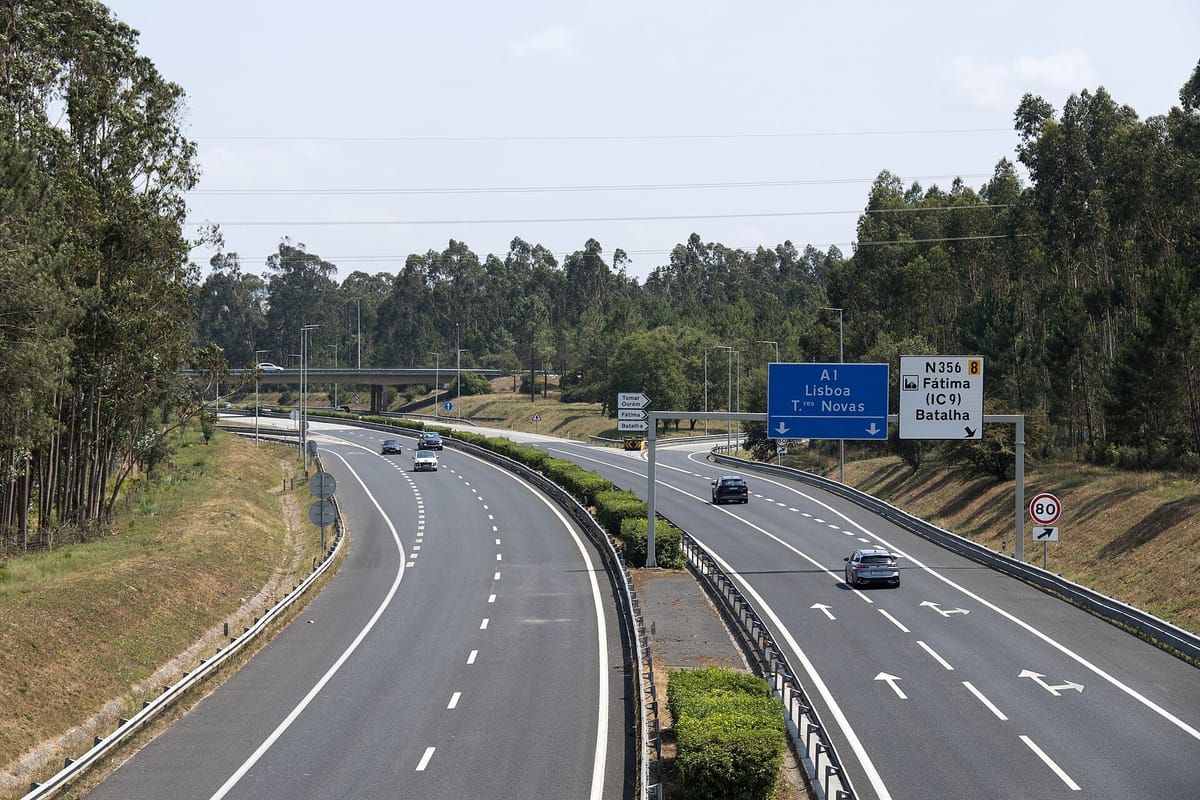
Road deaths in Portugal rose by 15.4 percent in the first three months of 2026, according to the newest quarterly report from ANSR (Autoridade Nacional de Segurança Rodoviária, the national road safety authority). The report for January to March, posted on ANSR's road safety observatory in October, counts 105 deaths, 559 serious injuries and 8,165 accidents with victims across the mainland, the Azores and Madeira.
That is 14 more deaths and 26 more seriously injured people than in the same months of 2025, even though the number of accidents fell by 1.3 percent. ANSR counts deaths "a 24 horas": people who die at the scene or on the way to hospital. A serious injury means at least 24 hours in hospital.
Still short of halving by 2030
Portugal's road safety strategy, Visão Zero 2030, approved by the government on 3 June, aims to halve deaths and serious injuries by 2030 compared with 2019, and reach zero by 2050. Against the first quarter of 2019, deaths are down 12.5 percent (from 120 to 105), but serious injuries are up 4.9 percent. The picture for the whole of 2025 was similar: ANSR's annual report recorded 450 deaths, 13.5 percent fewer than in 2019, while serious injuries rose 13.1 percent to 2,863. Our earlier report on how Portugal compares with the rest of Europe covers the longer trend.
Where and how people died
Leiria and Porto districts had the most deaths in the quarter (13 each), followed by Santarém (12), Lisbon (11) and Aveiro (10). Leiria had the biggest rise, from 4 to 13; Porto had the biggest fall, from 16 to 13. Lisbon still had the most seriously injured people (70), although that was 22 fewer than a year earlier. Coimbra's serious injuries more than doubled, from 11 to 25. Faro had the steepest rise in accidents (21.1 percent), while Portalegre and Évora had the biggest falls.
- Despistes (single vehicles leaving the road) were the deadliest type of accident: 48 deaths, up 37.1 percent.
- Colisões (collisions) made up 53.2 percent of accidents and caused 41 deaths, down from 47.
- Atropelamentos (pedestrians hit by vehicles) caused 16 deaths, up from 9.
Most of the harm happened in towns. Roads inside built-up areas accounted for 63.8 percent of deaths (67, up 34 percent), and compared with 2019 deaths in built-up areas are up 19.6 percent, while outside towns they are down 40.6 percent. Deaths in rain almost doubled, from 17 to 32.
Motorbike users fared better: 19 deaths, down from 27. Fifteen pedestrians died, six more than a year earlier, though that is still 34.8 percent fewer than in 2019. Serious injuries among cyclists rose from 38 to 50.
More recent figures
ANSR has not yet published a report covering the months after March. Its weekly campaign figures give a snapshot: during the "Viaje Sem Pressa" speed campaign from 13 to 19 October, 13 people died on Portugal's roads, eight more than in the same week of 2025, and radars logged 12,994 speeding offences. Our guide to that week's checks sets out the fines and licence points involved.
For drivers, the figures point to town streets, wet roads and evenings: deaths between 18:00 and 21:00 rose from 14 to 26. ANSR's own advice for the campaign was to adjust speed to rain and traffic, even within the limit, and to slow down near schools and pedestrian crossings.