Renewables Supplied 71% of Portugal's Electricity in a Record-Consumption First Half
Renewables supplied 71% of Portugal's electricity in the first half of 2026 — hydro 29%, wind 26%, solar 11% — even as consumption hit a record 27,200 GWh, REN data show. Solar output peaked at a record 3,800 MW on 29 June.
Portugal drew 71% of the electricity it consumed in the first half of 2026 from renewable sources, even as demand for power hit an all-time high, according to data published by the grid operator REN (Redes Energéticas Nacionais). It is a striking combination: the country used more electricity than in any six-month period on record, and still met the bulk of it from wind, water and sun.
Total consumption reached 27,200 gigawatt-hours between January and June, the highest ever registered on the national system and up 3.5% on the same period last year (3.3% once adjusted for temperature and working days). Renewables covered more than two-thirds of that: hydropower led with 29%, followed by wind at 26%, solar photovoltaic at 11% and biomass at 5%.
Solar keeps setting records
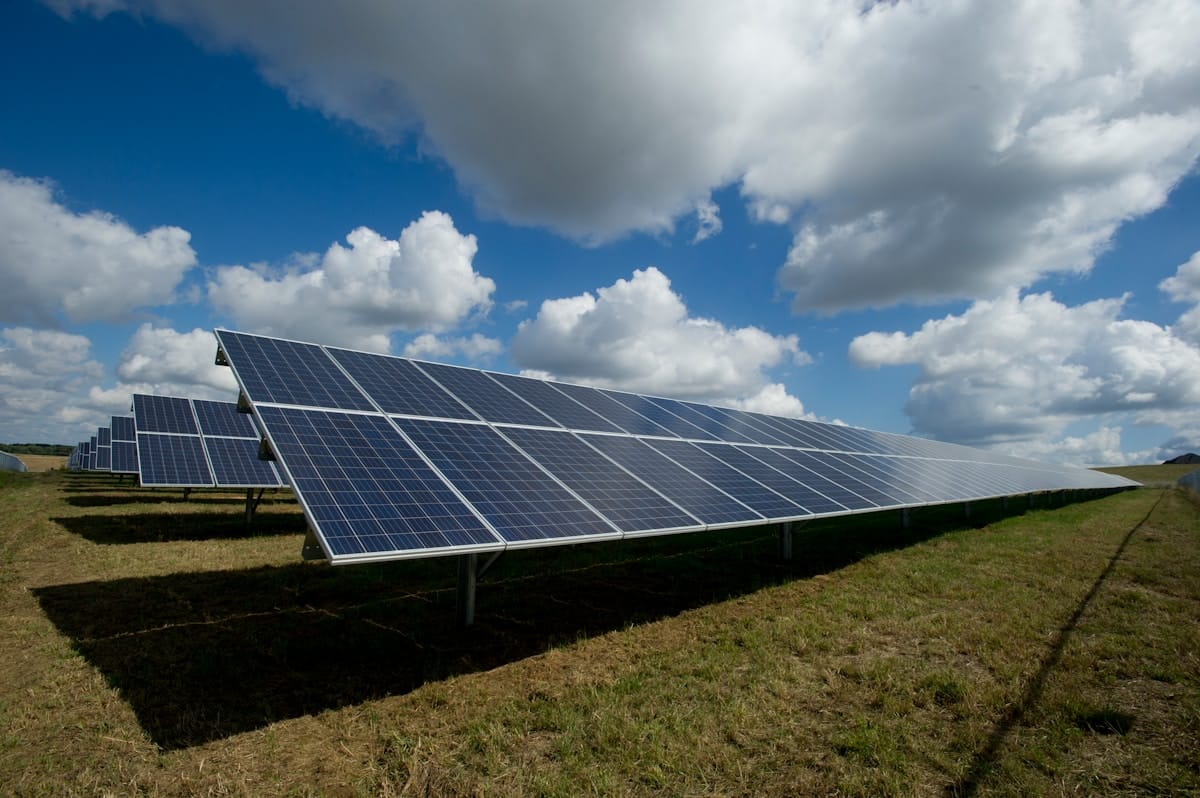
The fastest-moving piece of the mix is solar. On 29 June, instantaneous solar output peaked at around 3,800 megawatts, a record, as a fleet of new photovoltaic plants came online across the south. Solar's share is still smaller than hydro's or wind's, but it is the only major source growing this quickly, and it does its best work precisely when summer demand for cooling is climbing.
The seasonal detail matters. In June alone, renewables supplied 55% of consumption, non-renewable domestic generation 12%, and imported electricity a hefty 33% — a reminder that on hot, still evenings Portugal still leans on power bought abroad and on its remaining gas plants. The natural-gas market itself shrank 9% year on year in June, with supplies split between Nigeria (55%), the United States (29%) and Russia (16%), the latter still arriving as liquefied gas through the Sines terminal.
What it means for households
A grid running mostly on renewables is, over time, a grid less exposed to the swings in global fossil-fuel prices that drive electricity bills. That is the long-term promise. In the short term the relationship is messier: high summer demand, dependence on imports at peak hours and the fixed costs of the network all still feed into tariffs, which is why greener generation has not straightforwardly translated into cheaper bills.
The trend nonetheless sits behind several of the policy shifts residents are seeing this year, from new fixed-price power contracts arriving at the end of August to the wider debate about how a rapidly electrifying economy — more heat pumps, more electric cars, and, as air conditioning spreads across the country — will keep the lights on affordably.
Portugal has set itself among the more ambitious decarbonisation timetables in Europe, targeting a power system dominated by renewables well before 2030. The first-half figures suggest it is broadly on track, with the important caveat that the last stretch — covering the windless, sunless hours when demand spikes — remains the hardest and most expensive to green. For now, a record-consuming country running mostly on clean power is a genuinely good headline. On where the national emissions line actually went, our reading of the 2026 EDGAR release, which puts Portugal's emissions up 1.6 percent in 2025 against a falling European total, with gas-fired power and industrial burning carrying 72 percent of the rise sets the latest reference. Update: Portugal used a record 40,486 GWh of electricity in the first nine months of 2026 and imported a record 9,075 GWh, REN's figures show.