Rail Passenger Numbers Jump 10 Percent to 240.7 Million in 2025 as River Ferries Become the Only Mode to Lose Riders
INE's annual transport statistics show trains carried 240.7 million passengers in 2025 and buses 632.2 million, while metro ridership barely moved and river ferries were the only mode to lose passengers.
Portugal's trains carried 240.7 million passengers in 2025, 10 percent more than in 2024, according to the annual transport and communications statistics that the national statistics institute, INE (Instituto Nacional de Estatística), published today. Passenger numbers rose in almost every mode of public transport last year. The one exception was the river ferries, which lost riders.
For commuters, the headline is that rail and bus travel grew strongly while the metro systems barely moved.
Mode by mode
- Road (buses and coaches): still by far the largest mode, with 632.2 million passengers, up 9.0 percent.
- Metro: 288.1 million passengers, up just 0.5 percent. The number of metro services run fell 0.4 percent to 1.1 million.
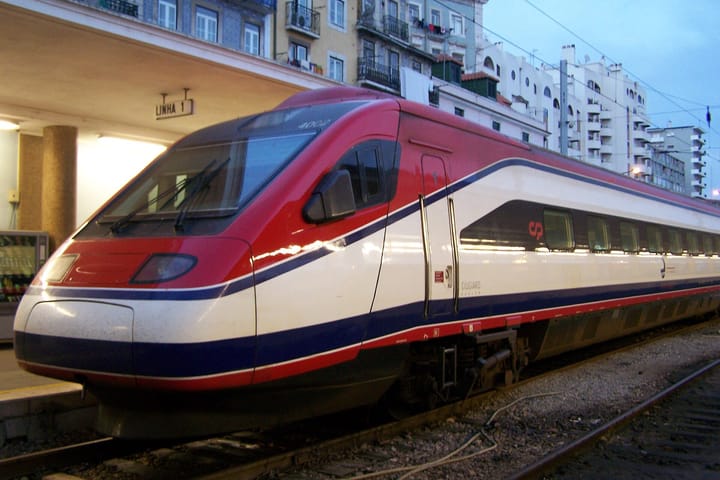
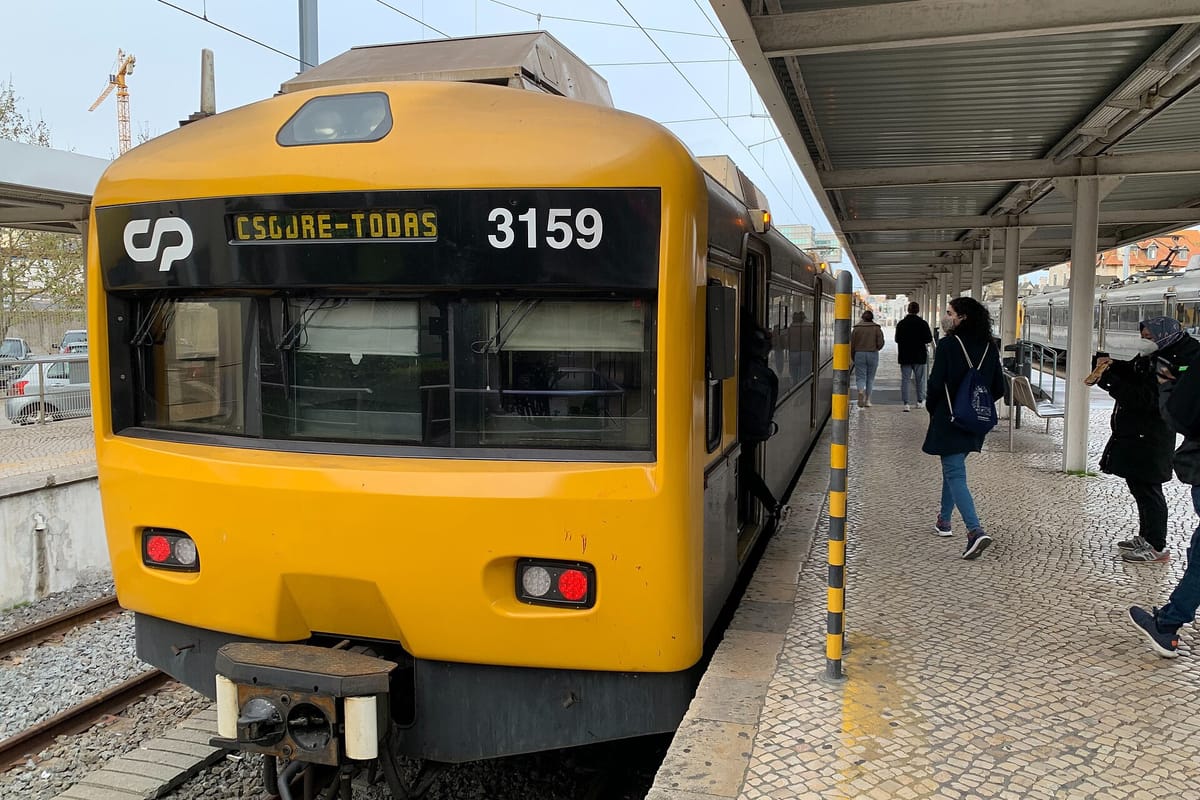
- Rail: 240.7 million passengers, up 10.0 percent, the fastest growth of any land mode.
- River ferries: 24.9 million passengers, down 0.5 percent, the only mode to fall.
- Air: 73.8 million passengers through Portuguese airports and airfields, up 4.7 percent.
- Cruise ships: 1.8 million passengers, up 0.5 percent.
INE counts passengers carried "por conta de outrem" (by an operator for paying customers, rather than private journeys). Its release does not say why river ferry traffic slipped, and it does not split the metro total by system. Portugal has three metro systems, a count INE says did not change in 2025: the Lisbon Metro, the Metro do Porto and the Metro Sul do Tejo light rail on the south bank of the Tagus.
ECO noted that 2025 was the first full year of the Passe Ferroviário Verde, the 20 euro monthly green rail pass. Our report on the pass's record October has the latest take-up figures.
Roads, bridges and goods
Traffic by Portuguese-registered vehicles rose 2.0 percent to 80.7 billion vehicle-kilometres. The bridges over the Tagus carried an average of 225,600 vehicles a day, 2.1 percent more than in 2024. The number of vehicles presumed to be in circulation grew 2.4 percent to 7.8 million, and Portugal had 11,900 electric vehicle charging points.
Freight was mixed. Rail was the only goods mode to grow, up 8.0 percent to 8.5 million tonnes. Road haulage fell 7.4 percent to 128.5 million tonnes, port traffic fell 6.3 percent to 80.3 million tonnes, and air cargo and mail slipped 0.5 percent.
The national rail network was 3,622.2 km long at the end of 2025, just 1.4 km longer than a year earlier. INE says the heavy rail rolling stock shrank in every category. Investment in the metro systems rose 2.5 percent to 310.3 million euros.
What it means for you
- Trains are carrying many more people on a network that has barely grown, with a heavy-rail fleet that INE says shrank in every category.
- Metro ridership is flat while the number of services fell slightly. Investment is rising, but these figures do not yet show more capacity.
- Fares change again in January: see our report on the 2027 fare rules.
On road safety, INE's latest full year is 2024: 618 people died on Portugal's roads, 3.7 percent fewer than the year before, while the number injured rose 4.1 percent to 47,200.