Proof-of-Life Checks and Cross-Border Data Matching Save Social Security 76.5 Million Euros in Eight Months
The Labour Ministry puts the anti-fraud saving at 76.5 million euros over the first eight months of 2026, across about 6,000 verification proceedings. It came from cross-border data exchange, matching against health, justice and tax records, and automated proof of life.
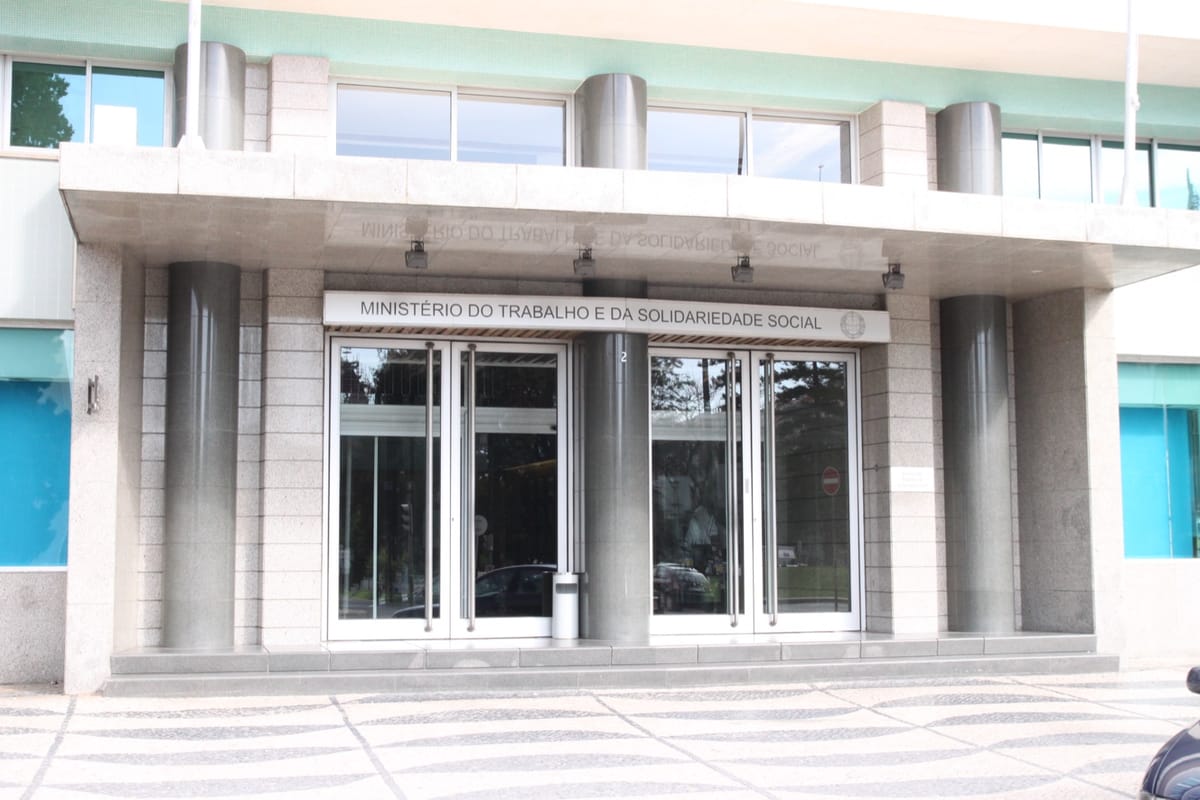
Portugal's Social Security system says its anti-fraud plan produced an estimated saving of 76.5 million euros in the first eight months of 2026, and that the bulk of it came not from inspectors knocking on doors but from computers comparing one government database against another. The figure was released on Wednesday by the office of Maria do Rosário Palma Ramalho, Minister of Labour, Solidarity and Social Security, in a note sent to newsrooms.
The ministry says about 6,000 verification proceedings were completed this year across a range of social benefits and pensions, with further control and monitoring actions still being built. It is careful to draw a line that matters when reading the number: "improper payment and fraud are not equivalent concepts", the note says, because every payment obtained fraudulently is improper, but not every improper payment is the result of fraud.
How the 76.5 million euros was found
- Cross-border interoperability: data exchanged between Portuguese institutions and their counterparts in other European countries, which matters most for people drawing benefits while living or working abroad.
- Data matching across the state: checks run against the health, justice and tax administrations to surface incompatibilities, for example a benefit that assumes no income sitting alongside a declared salary.
- Automated validations: rules applied at the point of payment rather than after the fact.
- Proof of life: newly automated verification that a pensioner is still alive, singled out by the ministry as one of the mechanisms that changed what the system can see.
A second number in the note gives the scale of the wider problem. The Instituto de Informática (Institute of Informatics), the ministry's own IT arm, detected 159 million euros in improper payments across various social benefits between January 2024 and June 2025, an 18-month window. That is the broader category, fraud and error together.
Why this is a technology story, not a policing one
The framing the ministry has chosen is deliberate. This is presented as part of the Processo de Transformação Digital (Digital Transformation Process) rather than as an enforcement campaign, and the roadmap it sketches runs further in the same direction: progressive integration of information systems, risk indicators, biometric authentication and more interoperability within and between sectors.
Read alongside the government's other recent moves, a pattern emerges. Automatic issuing of social security numbers to immigrants removes an office visit. Automated proof of life removes another. Each of those subtractions of paperwork is only politically affordable if the system can verify from the back end what it used to verify at a counter. The fraud figure is, in effect, the receipt for that trade.
It also lands in a live argument about the system's finances. An expert group's pension report reached the minister's desk this month, the government has said it will not attempt structural reform this legislature, and the full-career pension formula is already trimming new pensions by around 10 percent. Against a system that pays out tens of billions a year, 76.5 million euros is a rounding error. As a demonstration that the state can now see across its own silos, it is not.
What This Means for Expats
- Your foreign income is increasingly visible: the explicit mention of interoperability between European countries means income, employment and residence data held elsewhere in the EU can be matched against a Portuguese benefit claim. If you draw any means-tested support here, assume the cross-check happens.
- Proof of life is now automated, but check it worked: pensioners resident in Portugal who also hold a foreign pension are used to annual life certificates. Automation cuts the paperwork, but a mismatched record (a name spelled differently on your NIF and your residence permit, say) is exactly the sort of thing that stops a payment.
- An improper payment is not an accusation: the ministry's own distinction is worth holding on to. If Segurança Social writes to you about an overpayment, that is a debt to be repaid or contested, not a fraud finding.
- Keep your records straight: if you are self-employed, contribution levels and declared income are among the fields being matched. We have already reported that freelancers paying only the minimum are seeing consequences in unrelated processes.
- Proving you are clean is easy and free: the certidão de não dívida is issued online in minutes and settles the question for landlords, lenders and immigration files.
The ministry says new control actions are still in development. The next thing to watch is whether the biometric authentication it mentions arrives as an option or as a requirement, because that is the point at which a back-office change starts to be felt at the front counter, particularly by people whose documents were issued in another country.