Portuguese Shops Can Refuse Your Cash Without a Fine, the Bank of Portugal Admits, Until an EU Law Still Under Negotiation Forbids It
The Banco de Portugal says it cannot make shops accept notes and coins or sanction those that refuse them. An EU regulation would ban "no cash" signs and leave fines to each country, but it is still being negotiated and has no start date.
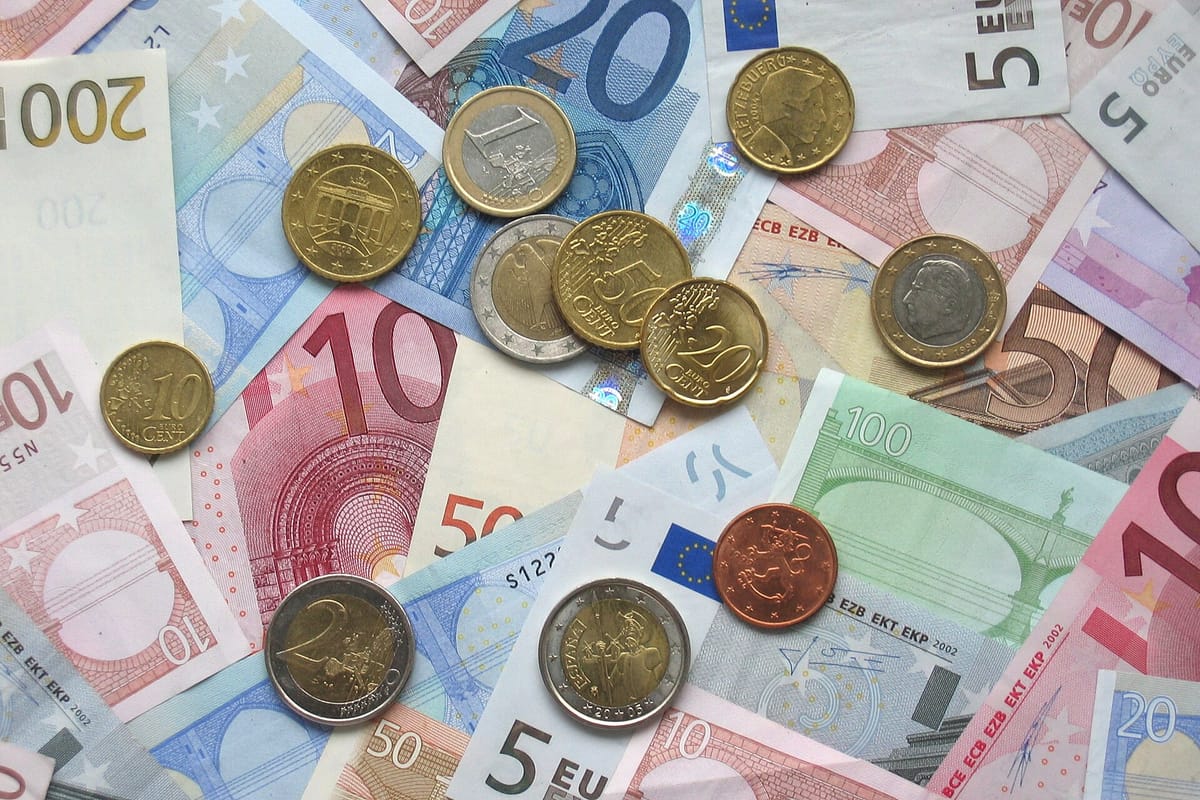
A shop in Portugal that refuses your banknotes and coins faces no fine today, and the Banco de Portugal says it has no power to change that. The central bank has admitted that it cannot make every shop accept physical cash, and that it cannot sanction anyone who turns cash away without a plausible reason, Público reported on 7 November. That could change under an EU regulation on the legal tender of euro cash, which the bank welcomes. But it is still being negotiated in Brussels and will not apply soon.
According to Público, the Portuguese government has not passed any law of its own that would penalise shops that refuse cash.
What the EU regulation would do
The European Commission proposed the regulation on 28 June 2023 (procedure 2023/0208(COD)). In December 2025 EU governments in the Council agreed the text they would take into talks with the European Parliament. Under that negotiating mandate:
- Euro banknotes and coins must be accepted at full face value, and a shop may not add a surcharge for paying in cash.
- A shop or service provider dealing with customers in person may not exclude cash in advance. The text names a sign saying cash is not accepted as an example of a banned practice. A business may put up a sign saying it prefers a card, but if you still want to pay in cash it should accept that, and governments must let customers complain to an authority.
- Payments for things bought at a distance, including online, are outside the rules, and so are unmanned points of sale such as vending machines, ticket machines, parking meters and self-service fuel pumps.
- A payee may still refuse cash in good faith and on temporary, legitimate grounds, and must be able to prove it. The text gives two examples: a note of 100 euros or more that is clearly out of proportion to the bill, or a business that has no change, or would run short of change for the rest of its normal day.
- Each country sets its own penalties, which must be "effective, proportionate and dissuasive". They could include fines, warnings, reprimands or orders to comply, and governments would have two years after the regulation takes force to notify their rules to the Commission.
The Parliament's economic affairs committee voted on its report on 23 June 2026, and the full Parliament confirmed on 8 July that negotiations with the Council could open. No deal between the two is yet recorded. The regulation would take force 20 days after it is published in the EU's Official Journal, and no date has been set.
What it means for you now
Euro cash is already legal tender (curso legal) in Portugal, but, as Público's report makes clear, no regulator can fine a shop that refuses it. One limit is set in national law: under Decreto-Lei n.º 246/2007, nobody has to accept more than 50 coins in a single payment. The state treasury, the Banco de Portugal and deposit-taking banks are exempt.
So for now, if a café or shop has a "no cash" sign, nobody can fine it. Once the regulation is agreed and Portugal sets its penalties, the same sign would break the rules, except in the cases the regulation allows. If you live somewhere with few cash machines, see how eight remote parishes run their own Multibanco terminal.
Shops do not have to change anything yet. Once the regulation applies, refusing cash in person would need a legitimate reason the shop can prove, such as having no change.