Portugal's Volta Deposit-Return Scheme Collects 55 Million Bottles and Cans in Its First Three Months
Portugal's Volta deposit-return scheme has taken in more than 55 million bottles and cans in its first three months, up sharply from 10 million at the two-month mark. Each eligible container carries a refundable 10-cent deposit, reclaimed at 2,500+ points.
Three months after Portugal switched on its national deposit-return scheme for drinks packaging, the numbers are finally starting to look like a habit. The system, branded Volta ("return"), has now taken in more than 55 million bottles and cans since it went live nationwide on 10 April, according to figures reported this week — a sharp acceleration from the roughly 10 million logged at the two-month mark in early June.
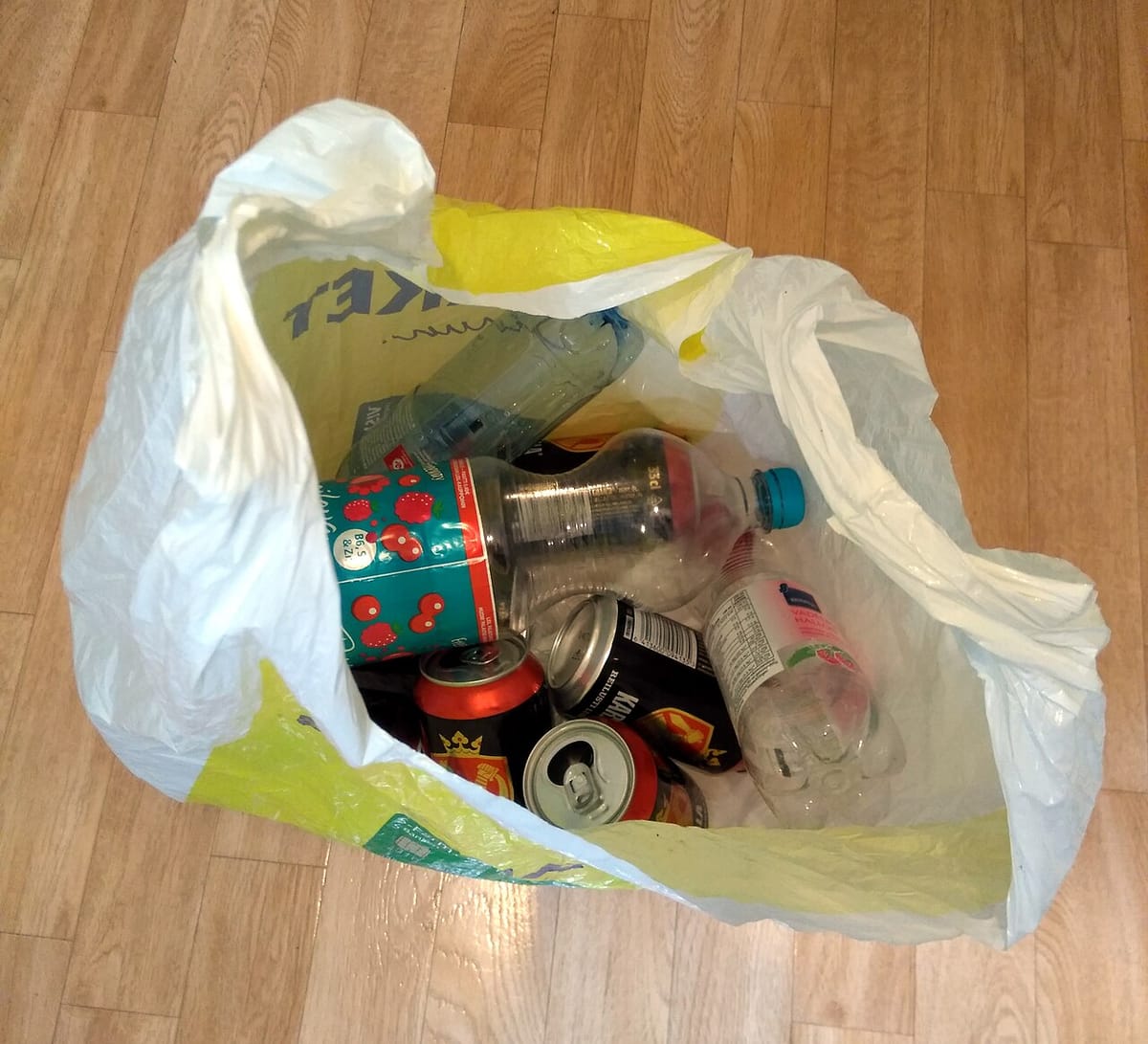
The mechanics are simple, even if the queues at the machines are not always short. Every single-use plastic bottle or metal can up to three litres that carries the Volta symbol now costs an extra 10 cents at the till. Return the empty, uncrushed container to one of more than 2,500 collection points — most of them the reverse-vending machines now installed at supermarket entrances — and the deposit comes back, as a voucher or, if you insist, in cash.
A slow start, then a jump
The early running was underwhelming. In June, an analysis found the scheme was capturing only about 7% of the containers eligible for it, well short of the volumes flowing through ordinary kerbside recycling. Part of the problem was supply: for weeks after launch, relatively few products on the shelves actually carried the Volta mark, because a 120-day transition period lets labelled and unlabelled stock coexist until early August.
As that labelled stock has spread, returns have climbed. The tenfold rise between the two-month and three-month readings suggests the machines are being used far more heavily now that consumers routinely find the symbol on their water, beer and soft drinks — and have noticed the 10 cents leaving their wallets on the way in.
Consumer advocates are watching the ramp-up with some caution. The consumer-protection association DECO has complained that shoppers were given too little clear guidance on what can be returned and how, and regulators have had to remind operators that a cash refund must always be available for anyone who does not want a store voucher. Damaged or crushed containers are rejected, a frequent source of frustration at the machines.
What This Means for Expats
- You are already paying the deposit: Since April, 10 cents is added to every eligible bottle or can. If you are only recycling at home through the yellow bins, you are leaving that money on the table — the deposit is refunded only through Volta points.
- Look for the symbol and keep cans intact: Only packaging bearing the Volta mark qualifies, and the machines reject dented or flattened containers. Return them whole.
- Cash is your right: If a machine or store pushes a voucher, you are entitled to ask for the deposit back in cash instead.
Portugal is a relative latecomer to deposit-return, a model long established in Germany and the Nordic countries, and it adopted the scheme partly to hit EU targets for the separate collection of plastic bottles. On the current trajectory the 55-million figure will keep climbing fast once the transition period ends and every eligible container on the market carries the charge. Whether that translates into the high return rates seen abroad — and less litter on Portugal's beaches and streets — is the test of the next few months.