Portugal's New Crafts Network Turns Away Hobby Makers, and Membership Is Now the Gateway to State Money for Traditional Trades
The final rules for the Rede Portuguesa Saber Fazer took effect on Saturday. Who can join, what to send DGARTES, the 30 working day decision, and why purely decorative handiwork does not qualify.
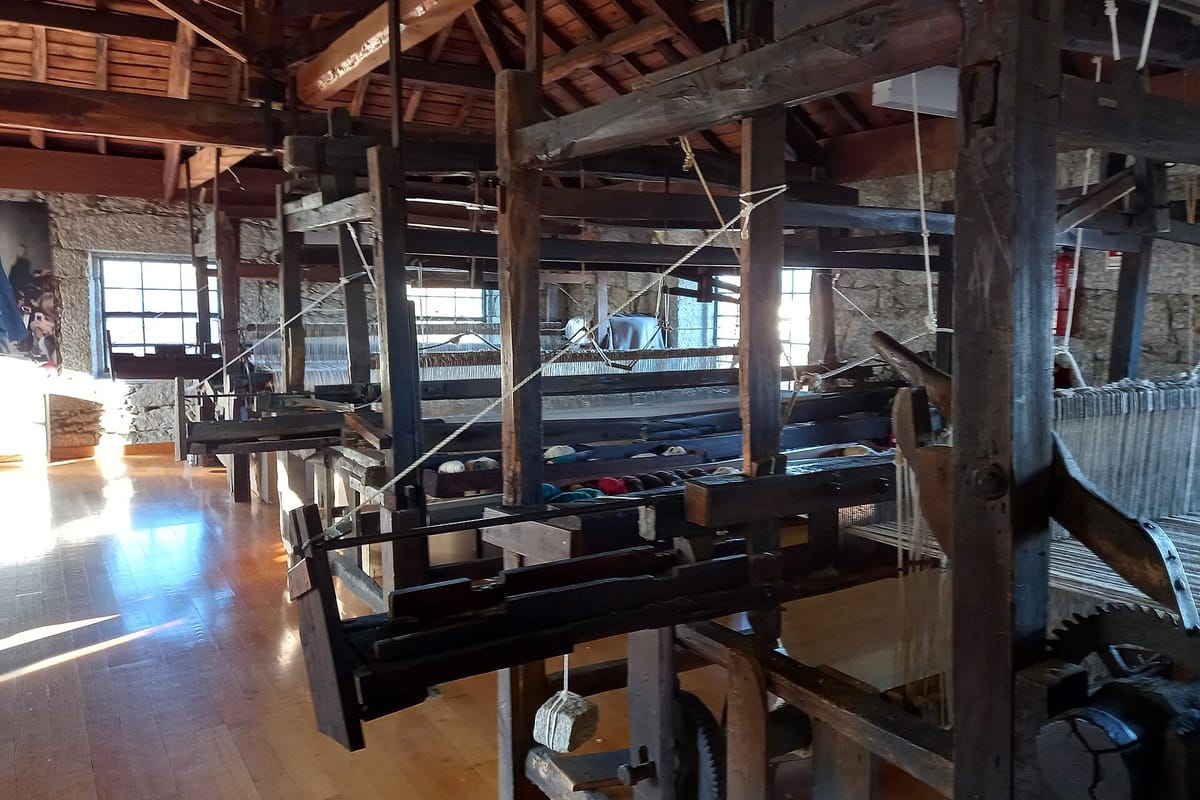
Portugal's new national network for traditional crafts has its final rules. Portaria n.º 451-B/2026/1 (Ordinance 451-B/2026/1), signed by the Minister of Culture, Youth and Sport, Margarida Balseiro Lopes, came out in a supplement to the Diário da República (the official gazette) on Friday 9 October and took effect on Saturday. It sets up the Rede Portuguesa Saber Fazer (Portuguese Know-How Network), which a potter, basket maker, embroiderer or weaver must now join before applying for state money for traditional crafts.
The draft went to public consultation from 21 September to 1 October, as we reported at the time. The final text keeps the central condition. Joining the network is required for the Programa de Apoio às Artes e Ofícios Tradicionais (Traditional Arts and Crafts Support Programme), but membership on its own does not entitle anyone to funding.
Who can join
Individuals and organisations can apply. The ordinance lists:
- artisans and craft production units;
- municipalities and intermunicipal bodies;
- associations and cooperatives in the sector;
- schools and other teaching institutions;
- museums, cultural centres and craft production centres;
- anyone else whose work is directly tied to traditional arts and crafts.
Applicants must work in traditional crafts on a continuing basis, be based in Portugal and work there, and run activities that actually preserve, pass on, promote or renew traditional practices. They must also show relevant ability, through a documented link to a traditional technique, a track record, teaching, recognised training or research. Councils are exempt from that last test.
Who is kept out
The ordinance bars anyone whose main work is making recreational, playful or decorative pieces by hand without a real link to recognisable traditional techniques or knowledge. The Direção-Geral das Artes (DGARTES, the Directorate-General for the Arts) will judge each case on what the applicant actually does and on how closely that work is tied to traditional practice. In short, a hobby maker producing ornaments does not qualify, while a craftsperson carrying on a regional technique does.
How to apply
Applications go to DGARTES on its own form. They must include:
- official identification, such as a citizen card, tax number and address, or, for an organisation, its statutes and legal representatives;
- a history of the applicant's activity, with evidence such as a portfolio, reports, records of events or partnerships;
- a description of the crafts practised and how they link to traditional arts and crafts;
- a short proposal of what the applicant will contribute to the network, scaled to its size. This can be existing work, such as an archive, a collection, teaching or ongoing activities.
DGARTES's technical staff assess each application and may call in specialists. The director-general must decide within 30 working days of receiving a complete application. All communication goes through the DGARTES website or the official email address given in the application. By Sunday 11 October, neither DGARTES nor the programme's website had published the form.
What members get, and what they owe
Members can describe themselves as part of the network, use its identification, take part in its activities and apply for support under the national programme. In return, they must uphold the network's aims, help identify artisans and pass on skills, keep their information up to date and cooperate with monitoring. A member that stops meeting the conditions, fails in these duties or gives false information can lose its status once it has had a chance to respond. While it is out, it cannot apply for the support programme.
The network's tools include networked workshops, residencies, teaching activities and a digital repository. Knowledge recorded there must carry the holder's express consent and be credited to its source. An advisory committee chaired by DGARTES will bring in the Azores and Madeira, the regional development commissions, Património Cultural (the heritage institute), the craft training centre CEARTE, universities and artisans' representatives, among others.
The network is separate from the EU-wide place-name protection for craft products, which opened through the Instituto Nacional da Propriedade Industrial (INPI, the National Industrial Property Institute) on 30 September.